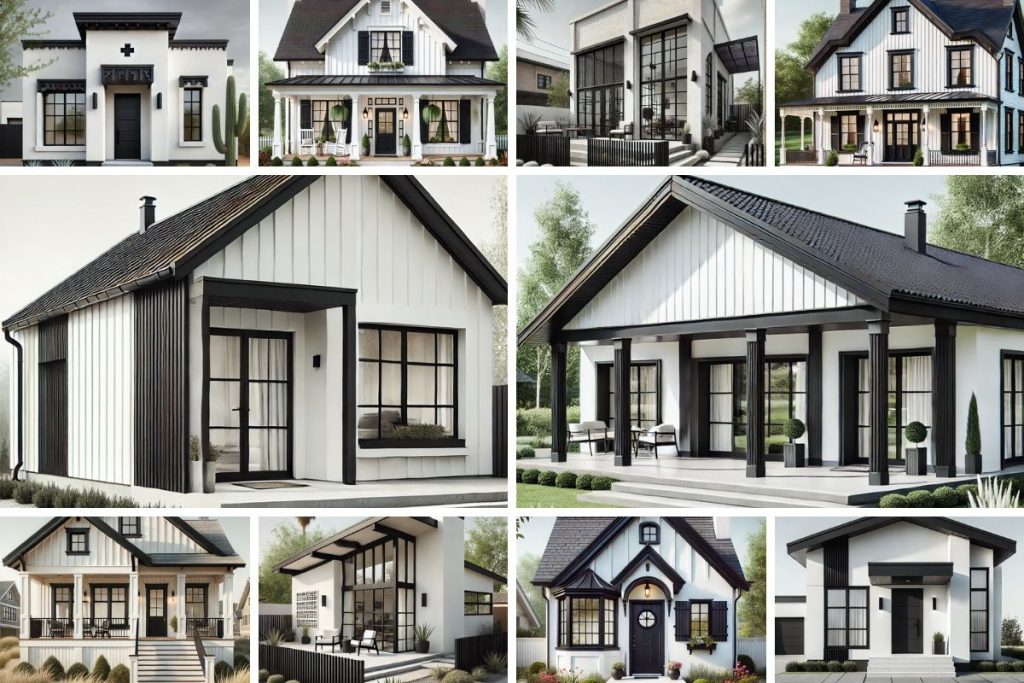

Assess your home’s vulnerabilities before making a single design decision. Walk your property during a rainstorm to identify where water pools, check which rooms feel uncomfortably hot in summer or drafty in winter, and note areas where moisture or weather damage appears. This diagnostic approach ensures every redesign choice serves both form and function, turning potential weaknesses into opportunities for beautiful, protective upgrades.
Prioritize your envelope—the barrier between inside and outside—as your foundation for resilient design. Upgrading windows to impact-resistant models with low-E coatings blocks harsh weather while reducing energy bills by up to 25%. Choose fiber cement or engineered wood siding that withstands moisture and fire without sacrificing the warmth of natural materials. These structural improvements create a protective shell that lets you design interiors with confidence, knowing your home can handle whatever nature delivers.
Layer your landscape as a strategic defense system that enhances curb appeal. Plant native, deep-rooted perennials within 10 feet of your foundation to absorb excess water and prevent erosion, creating lush garden beds that solve drainage issues beautifully. Position deciduous trees on south and west exposures to shade your home in summer while allowing warming winter sun through bare branches. Design hardscaping with permeable pavers that manage stormwater runoff while defining elegant pathways and patios.
Integrate climate-adaptive materials throughout your interior spaces. Install luxury vinyl plank flooring in flood-prone areas—it delivers the look of hardwood with waterproof performance. Select mold-resistant drywall and moisture-wicking paint in bathrooms and basements. Choose furnishings and finishes that age gracefully under stress, transforming practical necessities into design statements that protect your investment while reflecting your personal style.
Why Traditional Home Design Is Failing Us Now

The New Threats Your Home Faces
Let’s be honest—our homes weren’t designed for the world we’re living in now. Today’s houses face challenges that previous generations barely considered. Temperature swings have become more dramatic, with summers pushing air conditioning systems to their limits and winter storms testing insulation like never before. Power outages, once rare inconveniences, now happen with concerning regularity, leaving families scrambling for backup plans. Water-related issues present their own headaches, from intense rainfall overwhelming drainage systems to drought conditions forcing us to rethink landscaping choices.
Beyond environmental pressures, your household needs have likely evolved too. Maybe you’re working from home now and need dedicated office space. Perhaps you’re caring for aging parents or adult children who’ve moved back in. Your home needs to flex and adapt, but the traditional four-walls-and-a-roof approach doesn’t cut it anymore. The good news? Redesigning with resilience in mind doesn’t mean sacrificing style or breaking the bank. It means making smarter choices about materials, layouts, and systems that protect your investment while creating a space you genuinely love living in.
Where Beauty Meets Function
Here’s a secret that savvy homeowners have discovered: resilient design and stunning style aren’t opposing forces—they’re perfect partners. Gone are the days when durability meant settling for bland, utilitarian spaces that felt more fortress than home. Today’s design-forward resilience seamlessly blends protection with personality, proving that you can have both a home that withstands whatever life throws at it and one that makes your heart skip a beat when you walk through the door.
Think about it this way: a beautifully weathered wood accent wall made from reclaimed materials doesn’t just tell a story—it’s also incredibly durable and sustainable. Impact-resistant windows come in sleek, modern designs that enhance your home’s curb appeal while protecting against storms. Even something as practical as permeable pavers for your driveway can create gorgeous patterns and textures while managing water runoff effectively.
The magic happens when you start viewing every design decision through a dual lens. That elegant porcelain tile you’re considering? It’s also waterproof and nearly indestructible. Those native plants you’re planting for their natural beauty? They’re drought-tolerant champions that’ll thrive with minimal care. When beauty meets function, you’re not compromising—you’re upgrading on every level.
Interior Choices That Build Resilience From the Inside Out
Materials That Work Harder
Gone are the days when durable meant drab. Today’s resilient materials combine serious performance with seriously good looks, proving that function and beauty aren’t mutually exclusive.
Let’s start with flooring, the hardest-working surface in your home. Luxury vinyl plank has evolved tremendously, offering photorealistic wood and stone patterns that can fool even discerning eyes. Unlike traditional hardwood, it laughs off spills, humidity swings, and pet accidents. For high-traffic areas, porcelain tile stands unmatched, with options that mimic everything from reclaimed barn wood to polished concrete. The secret? Advanced printing technology creates depth and texture that goes beyond surface-level imitation.
Wall treatments deserve equal attention. Scrubbable paints formulated with acrylic or urethane bases resist moisture and staining while maintaining a rich finish that doesn’t scream “commercial kitchen.” Think matte or eggshell sheens in sophisticated colors rather than builder-grade white. For moisture-prone spaces like mudrooms or bathrooms, consider large-format porcelain panels that create seamless, grout-minimal walls with contemporary appeal.
Countertop materials have also joined the resilience revolution. Quartz engineered surfaces offer granite’s gravitas without the maintenance headaches, resisting stains, scratches, and heat while never requiring sealing. For budget-conscious renovators, newer laminate options feature realistic stone patterns and beveled edges that eliminate that dated plastic look.
The beauty of these materials? They age gracefully, maintaining their appearance through years of real family life without constant babying or costly refinishing.

Furniture as Functional Armor
Think of your furniture as more than just pretty pieces—it’s your home’s first line of defense against life’s curveballs. When you choose modular furniture, you’re investing in adaptability that pays dividends when circumstances change. A sectional sofa that reconfigures easily accommodates everything from movie nights to temporary home office setups during power outages or emergencies.
Storage furniture deserves special attention here. Ottoman benches with hidden compartments, console tables with deep drawers, and bed frames with built-in storage aren’t just space-savers—they’re protection strategies. These smart storage solutions keep emergency supplies organized and accessible while maintaining your home’s aesthetic appeal.
Quality matters more than ever. That solid wood bookshelf might cost more upfront than particle board alternatives, but it’ll withstand moves, humidity changes, and years of use without crumbling. Consider pieces constructed with dovetail joints and hardwood frames—they’re built to last through whatever comes your way.
Skip the fast-furniture trend and invest in versatile classics. A sturdy dining table serves meals today and becomes a workspace, craft station, or command center tomorrow. Your furniture should evolve with your needs, not end up in a landfill when trends shift.
The Smart Layout Shift
Sometimes the most transformative home improvements don’t involve knocking down walls or adding square footage. Instead, it’s about rethinking how your existing spaces work together. A smart layout shift can completely reimagine your home’s functionality while enhancing natural ventilation and light flow.
Start by observing how sunlight moves through your rooms throughout the day. That rarely-used dining room facing south? It might become the perfect home office bathed in natural light. Meanwhile, your current office in the northwest corner could transform into a cozy dining nook that doesn’t require daytime brightness. By strategically repositioning furniture and reimagining room purposes, you’re working with nature rather than against it.
Cross-ventilation is another game-changer. Open up sightlines between windows on opposite sides of your home, even if it means removing a bulky bookshelf or repositioning a sofa. This simple shift creates airflow pathways that naturally cool your space, reducing reliance on air conditioning.
Consider integrating smart lighting solutions that adapt to changing natural light levels, ensuring rooms remain functional as their purposes evolve. The beauty of layout optimization is its flexibility. As your family’s needs shift, spaces can shift with them, creating a resilient home that adapts rather than requires costly renovations.
Garden and Outdoor Spaces as Your First Line of Defense
Landscaping That Actually Protects
Your landscape shouldn’t just look pretty—it should actively work to protect your home from whatever nature throws your way. Think of your yard as a living shield, one that can reduce energy costs, manage stormwater, and even defend against wildfires, all while elevating your home’s curb appeal.
Start with native plantings that are naturally adapted to your region’s challenges. These tough-as-nails beauties require less water, resist local pests, and thrive in your specific climate without constant fussing. In the Southwest, desert sage and agave create stunning xeriscapes that need minimal irrigation. In the Pacific Northwest, Douglas fir and Oregon grape handle wet conditions gracefully while providing year-round interest.
Strategic tree placement transforms your landscape into a climate control system. Deciduous trees on your home’s south and west sides provide cooling shade in summer, then drop their leaves to welcome warming winter sun. Position evergreens to the north and northwest to create natural windbreaks that can reduce heating costs by up to 30 percent. Just remember to plant large trees at least 15 feet from your foundation to protect against root damage.
Rain gardens are your secret weapon for managing water runoff while adding gorgeous garden beds to low-lying areas. These shallow depressions filled with water-loving perennials capture and filter stormwater that would otherwise puddle or erode your property. They’re surprisingly easy to create and can handle everything from light drizzle to heavy downpours.
For fire-prone regions, design a defensible perimeter with low-growing, high-moisture plants within 30 feet of your home. Skip the pine bark mulch and choose gravel or decomposed granite instead. Space plants generously to prevent fire from jumping between them, creating an attractive, low-maintenance barrier that genuinely protects.

Hardscaping With Purpose
Your hardscape choices can make or break your home’s resilience against weather extremes while dramatically boosting curb appeal. Let’s explore how purposeful hardscaping protects your investment and creates outdoor spaces you’ll love for years to come.
Start with permeable paving solutions for your driveway, walkways, and patios. Unlike traditional concrete that sends water rushing toward your foundation, permeable pavers allow rainwater to filter through naturally, reducing flooding risks and preventing erosion. Options like permeable concrete, porous asphalt, or interlocking pavers with gravel-filled gaps handle heavy downpours beautifully while looking fantastic. I’ve seen homeowners transform problematic pooling areas into stunning pathways that actually solve drainage issues.
Speaking of drainage, a properly designed system is your secret weapon against water damage. French drains, channel drains, and strategically positioned swales direct water away from vulnerable areas. Consider installing catch basins at low points and extending downspouts well beyond your foundation. These aren’t the most glamorous upgrades, but they prevent costly water damage and soggy yards.
Retaining walls serve double duty as both functional and beautiful elements. They control erosion on sloped properties while creating terraced garden beds or level entertaining spaces. Choose materials that complement your home’s architecture, whether that’s natural stone for a timeless look or engineered blocks for modern appeal.
Finally, invest in outdoor structures built to last. A well-constructed pergola, covered patio, or deck shelter provides year-round usable space while standing strong against wind and weather. Use weather-resistant materials like composite decking, marine-grade stainless steel hardware, and properly sealed wood. These structures become genuine outdoor rooms that extend your living space while protecting you from the elements, adding both function and serious curb appeal to your redesigned home.
Critical Home Improvements That Pay Double Dividends
The Big Three: Windows, Insulation, and Roofing
When you’re ready to seriously boost your home’s resilience and curb appeal, these three upgrades deliver the biggest bang for your buck. Think of them as the foundation of your design-forward home transformation.
Let’s start with windows. Modern impact-resistant windows don’t just protect against storms—they’re gorgeous design statements that flood your rooms with natural light while keeping energy bills low. Look for options with sleek frames in matte black or bronze finishes that complement contemporary aesthetics. Many homeowners are surprised to discover that upgrading to double or triple-pane windows with low-E coatings can reduce heating and cooling costs by up to 30 percent, all while eliminating those annoying drafts.
Next up is insulation, the unsung hero of home design. Sure, it’s hidden behind your walls, but proper insulation creates the comfortable, consistent temperatures that make your beautiful spaces actually livable. Consider spray foam insulation for maximum efficiency, or opt for eco-friendly options like recycled denim or cellulose if sustainability matters to you. The investment pays off in comfort and savings year after year.
Finally, your roof. A resilient roof with proper ventilation and modern materials like architectural shingles or metal roofing protects everything below while adding serious curb appeal. Metal roofs, in particular, last 50-plus years and reflect heat brilliantly. Choose colors that complement your home’s palette—charcoal, sage green, or weathered copper can transform your exterior from ordinary to extraordinary while standing strong against whatever Mother Nature throws your way.

Water and Energy Independence Upgrades
Building self-sufficiency into your home doesn’t mean sacrificing style—it means smart planning that pays dividends when you need it most. Start with backup power solutions that blend seamlessly into your design. Modern battery systems like the Tesla Powerwall or Generac PWRcell mount discreetly in garages or basements, providing peace of mind during outages while reducing peak-hour electricity costs.
Water independence begins with collection systems that work behind the scenes. Rain barrels tucked near downspouts or underground cisterns can supply landscape irrigation, reducing municipal water dependence. Pair these with water quality systems and water purification systems to ensure reliability regardless of external conditions.
Energy-efficient appliances complete the picture. Today’s ENERGY STAR-rated refrigerators, washers, and HVAC systems use significantly less power without compromising performance. Induction cooktops heat faster while drawing less energy than traditional electric ranges, and on-demand water heaters eliminate standby energy waste. These upgrades lower monthly bills while creating a buffer against rising utility costs and supply disruptions—resilience that looks great on paper and in practice.
The Unsexy Maintenance That Matters Most
Let’s talk about the home maintenance tasks nobody posts on Instagram—the ones that actually keep your house standing strong through whatever nature throws at it. Proper drainage systems might not spark joy like a fresh coat of paint, but clogged gutters and poor grading can lead to foundation issues costing thousands to repair. Make it a habit to check that water flows away from your foundation, especially after storms.
Ventilation deserves your attention too. Attics, crawl spaces, and bathrooms need adequate airflow to prevent moisture buildup that breeds mold and rots wood. Check vents seasonally and ensure they’re unobstructed.
Weatherproofing is your home’s invisible shield. Inspect door sweeps, window caulking, and weatherstripping annually. These simple fixes prevent water intrusion and drafts while improving energy efficiency. Think of preventive maintenance as insurance—a little consistent effort now saves you from emergency repairs later, keeping your resilient home both beautiful and functional for decades to come.
Real Homes, Real Solutions: Projects That Worked
Let me share some inspiring stories from homeowners who’ve successfully blended resilience with stunning design. These real-world examples prove you don’t need to choose between protection and beauty.
The Martinez Family: A Flood-Smart Kitchen Transformation
After experiencing water damage from a burst pipe, the Martinez family in Portland redesigned their kitchen with resilience in mind. They replaced traditional hardwood with luxury vinyl plank flooring that mimics weathered oak but stands up to moisture without warping. Their contractor installed water-resistant lower cabinets with sealed edges and raised the dishwasher and refrigerator on platforms concealed by custom toe kicks.
The real showstopper? A gorgeous tile backsplash extending to the ceiling, which not only looks magazine-worthy but provides an easy-to-clean, water-resistant surface. Total investment: $18,500. The outcome? When a supply line leaked six months later, cleanup took two hours instead of weeks, and no materials needed replacement. As Maria Martinez put it, “Our kitchen is more beautiful than before, and I finally sleep soundly during rainstorms.”
The Chen Residence: Storm-Ready Modern Farmhouse
Living in North Carolina’s hurricane zone, the Chens wanted a home that could weather storms while maintaining their beloved modern farmhouse aesthetic. They installed impact-resistant windows with black frames that enhanced their exterior’s crisp lines while providing protection. Inside, they chose moisture-resistant drywall for all exterior-facing walls and upgraded to a standing-seam metal roof in charcoal gray.
The landscaping received equal attention, with native grasses and deep-rooted perennials replacing water-hungry lawn and decorative boulders creating natural drainage channels. Project cost: $42,000. Results? Their home sailed through two tropical storms with zero damage while neighbors faced costly repairs. Plus, their energy bills dropped 30 percent thanks to those high-performance windows.
The Thompson Apartment: Renter-Friendly Resilience
Even renters can redesign for resilience. Sarah Thompson transformed her dated apartment using removable solutions. She added peel-and-stick tile in moisture-prone areas, installed temporary window film for UV protection, and created a vertical herb garden with self-watering containers. Her investment of just $850 created a stylish, functional space that she can take with her when she moves.
Your Resilience Redesign Roadmap: Where to Start
Ready to transform your home into a resilient sanctuary without breaking the bank? Let’s break this down into manageable steps that actually fit your life and budget.
Start with an honest assessment. Walk through your home with fresh eyes and ask three simple questions: Where does my home feel vulnerable? What seasonal challenges drain my energy or wallet? Where could I improve both function and beauty? Grab a notebook and jot down everything, from that leaky window to the sun-scorched room that sends your cooling bills soaring. Don’t judge or solve yet, just observe.
Next, prioritize using the 3-2-1 method. Identify three high-impact changes that address your biggest pain points, two medium projects that enhance comfort, and one quick win you can tackle this weekend. Maybe your three biggies include upgrading windows, adding proper insulation, and installing a rainwater collection system. Your medium projects might be heat-blocking window treatments and drought-tolerant landscaping. That quick win? Perhaps sealing air leaks around doors with weatherstripping takes just an hour and delivers instant results.
Now for the budget-conscious implementation path. If you’re working with under $500, focus on weatherproofing, adding thermal curtains, and starting a small native plant garden. Between $500 and $2,000, consider energy-efficient lighting upgrades, smart thermostats, and quality window films. Above $2,000 opens doors to bigger wins like new windows, whole-room insulation projects, or comprehensive landscape redesigns.
Remember, resilience redesign isn’t a race. Tackle one project per season if that’s what works for you. The homeowner who weatherstrips in spring, plants natives in summer, upgrades lighting in fall, and adds insulation in winter still accomplishes four meaningful improvements in a year. Each step builds on the last, creating a home that’s not just surviving modern challenges but thriving beautifully through them.
Here’s the truth about creating a resilient home: it’s not a weekend project you can check off your list and forget about. Think of your home as a living, breathing system that needs to evolve alongside changing weather patterns, new technologies, and your family’s needs. The beautiful part? Every small improvement you make today compounds into greater comfort, lower bills, and real peace of mind tomorrow.
Start where you are. Maybe that means adding weatherstripping to your doors this month or researching drought-tolerant plants for next spring. Perhaps you’ll tackle one room at a time with materials that can handle whatever life throws at them. The key is simply to begin. Your home is your biggest investment and your sanctuary, and it deserves thoughtful attention that goes beyond surface-level fixes.
Remember, resilient design isn’t about sacrificing style for function or turning your home into a fortress. It’s about making smart choices that protect what matters while creating spaces you genuinely love living in. So take that first step today, even if it’s small. Your future self will thank you.