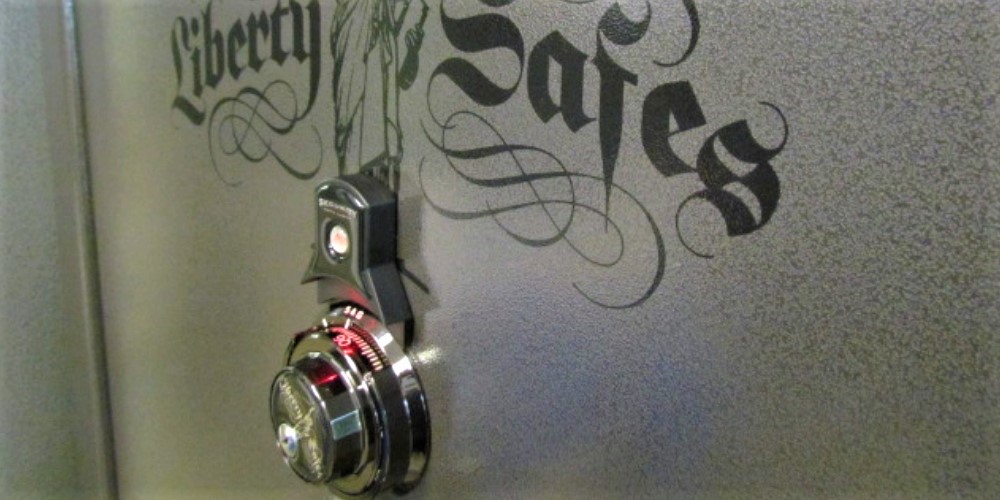
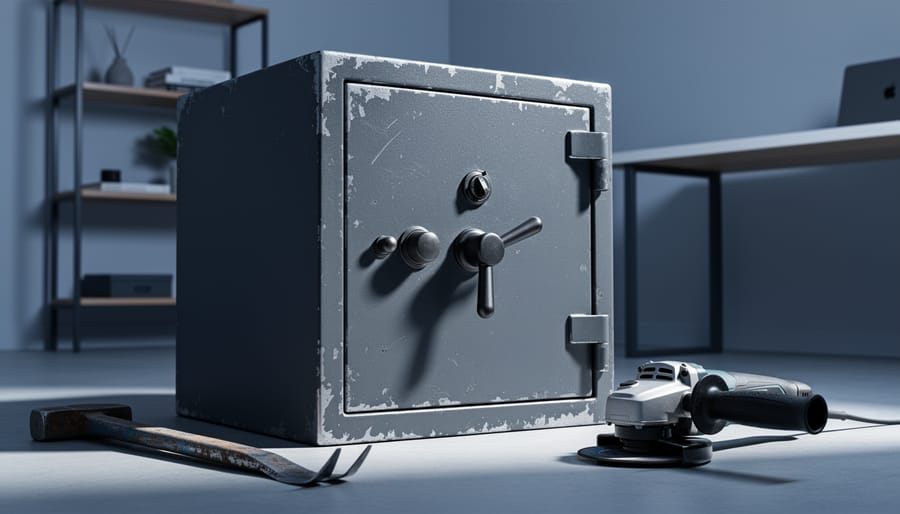
Your home safe’s burglary rating isn’t just a number on a spec sheet—it’s the difference between genuine protection and a false sense of security. That gleaming steel box in your closet might withstand a casual snoop, or it could protect your valuables from a determined intruder with power tools and 30 minutes of privacy. Understanding these ratings means knowing exactly what you’re buying and whether your insurance company will reward you with lower premiums or leave you underinsured.
Safe burglary ratings measure how long a lock can resist different attack methods, from prying and drilling to torching and explosives. The most recognized systems come from Underwriters Laboratories (UL), which tests safes under real-world conditions that simulate actual break-in scenarios. A UL RSC rating means your safe survived a five-minute attack with basic tools, while a UL TL-30 rating indicates it withstood 30 minutes of assault from experienced technicians using sophisticated equipment.
The rating you choose directly impacts your insurance coverage and out-of-pocket costs when disaster strikes. Many insurers require minimum ratings for covering high-value items like jewelry, cash, or firearms, and they’ll often reduce your premiums when you install properly rated safes. More importantly, the right rating gives you something priceless: genuine peace of mind knowing your irreplaceable documents, heirlooms, and valuables have defense mechanisms that match real-world threats, not marketing promises.
What Burglary Ratings Actually Tell You About Your Safe
Think of burglary ratings like crash test ratings for cars. Just as you wouldn’t buy a vehicle based solely on the manufacturer’s promise that it’s “super safe,” you shouldn’t trust a safe just because the marketing materials use impressive-sounding language. Independent testing organizations put safes through real-world attack scenarios to determine exactly how much punishment they can withstand before giving up their contents.
Here’s what actually happens during testing: certified professionals attempt to break into safes using common burglary tools and techniques. They might use prying tools, hammers, drills, cutting torches, or combinations of multiple methods. The clock starts ticking, and the safe earns its rating based on how long it successfully resists these attacks. A safe rated for 15 minutes of tool resistance literally means skilled testers couldn’t breach it within that timeframe using specified equipment.
This matters because burglary ratings protect you against different types of criminals. An opportunistic thief who stumbles upon your safe during a quick smash-and-grab might spend only five minutes trying to crack it before fleeing. A more determined burglar with specific tools might work for 30 minutes. Professional criminals targeting high-value items could invest an hour or more. The rating tells you which category of threat your safe can handle.
Unrated safes offer a completely different story. Without independent verification, that heavy metal box might surrender to a screwdriver and crowbar in under two minutes. The difference isn’t just about more than just security peace of mind either. Many insurance companies require specific burglary ratings before covering valuable items stored inside, and some won’t honor claims involving unrated safes at all. When you’re protecting jewelry, documents, firearms, or family heirlooms, independently verified ratings provide the assurance that your safe lives up to its promises rather than just looking impressive in the corner of your closet.

Understanding the Common Rating Systems
UL (Underwriters Laboratories) RSC and TL Ratings
When you’re shopping for a safe, you’ll likely encounter UL ratings that seem like alphabet soup at first glance. Let’s break down the most common ones you’ll see for home security.
The RSC, or Residential Security Container rating, is your entry-level protection and honestly, it’s what most homeowners need for everyday security. Think of it as the reliable sedan of the safe world. An RSC-rated safe must withstand a five-minute attack using basic burglary tools like hammers, chisels, pry bars, and screwdrivers. That might not sound like much time, but remember that burglars typically spend less than ten minutes total inside a home. For protecting important documents, family heirlooms, backup hard drives, and modest jewelry collections, an RSC rating provides solid peace of mind without breaking the bank.
Now, if you’re storing high-value items like significant coin collections, expensive watches, or substantial amounts of cash, you’ll want to consider stepping up to TL ratings. These are the heavy hitters that rated gun safes often feature for serious protection.
A TL-15 rating means the safe withstood 15 minutes of attack from sophisticated hand tools and electric tools on all six sides, including grinders, drills, and punches. Picture someone with a full workshop trying their hardest to break in for a quarter hour and failing completely. This level suits serious collectors and those with insurance requirements for valuable contents.
TL-30 doubles that protection to 30 minutes of expert attack. This rating typically protects items worth $125,000 or more and represents commercial-grade security that most residential burglars simply cannot defeat. You’re looking at safes weighing 750 pounds or more, which also provides excellent fire protection depth.
B-Rate and C-Rate Safes
If you’ve been shopping for safes, you’ve probably come across terms like “B-Rate” and “C-Rate” plastered on product descriptions. Here’s the thing: these aren’t official security ratings at all. They’re industry marketing terms that manufacturers use, and honestly, they can be a bit misleading if you don’t know what you’re getting.
A C-Rate safe is basically entry-level protection. Think of it as a step up from a lockbox but nothing that would slow down a determined burglar. These typically have thin steel construction, maybe 1/8 inch or less, with a basic locking mechanism. They’ll keep honest people honest and might deter an opportunistic thief in a hurry, but that’s about it.
B-Rate safes offer slightly better construction, usually featuring thicker steel (around 1/4 to 1/2 inch) and more substantial locking bolts. They provide moderate protection against prying and basic hand tools, making them suitable for storing documents or items with sentimental value rather than significant monetary worth.
The real catch? Most insurance companies won’t recognize these designations for coverage purposes. Since there’s no standardized testing behind B-Rate and C-Rate classifications, insurers simply can’t verify what protection you actually have. If you’re hoping to get coverage for valuable jewelry, cash, or important documents, you’ll likely need a safe with an official UL rating instead.
These safes work fine for casual organization and keeping valuables away from kids, but for serious security needs or insurance requirements, consider them a starting point rather than your final destination.
European and International Standards
If you’re browsing imported safes or simply curious about how American ratings stack up globally, you’ll likely encounter the European EN 1143-1 standard. This system takes a different approach than Underwriters Laboratories, using resistance units (RU) that range from 0 to 10. Think of it as Europe’s answer to our RSC and TL ratings, though the testing methods differ slightly.
Here’s what’s interesting for your shopping journey: an EN 1143-1 Grade I safe (rated at RU 30) offers roughly similar protection to a UL RSC-rated safe, making it a decent entry-level option for home use. Grade II bumps up to RU 50, providing more robust security comparable to some commercial applications. Higher grades exist, but they’re typically overkill for residential needs unless you’re storing museum-quality artwork in your basement.
Many quality imported safes proudly display these European certifications alongside UL ratings, giving you multiple data points to evaluate. The beauty of understanding both systems is that it opens up your options when shopping, potentially revealing well-constructed European or Asian models that meet your security needs at competitive prices. Insurance companies increasingly recognize EN 1143-1 ratings, so don’t automatically dismiss a safe just because it features European rather than American certification.
How Burglary Ratings Impact Your Home Insurance
Insurance Coverage Limits Based on Ratings
Here’s something that might surprise you: your homeowner’s insurance policy probably won’t cover unlimited amounts just because you own a safe. Insurance companies actually base their coverage limits on your safe’s burglary rating, which means understanding these ratings can directly impact how much protection you’ll have for your valuables.
Think of it this way: a basic residential safe with a B-rate classification typically qualifies for insurance coverage between $5,000 to $15,000 in cash and securities. That might work perfectly if you’re storing family heirlooms, important documents, and perhaps some modest jewelry. Once you step up to a C-rate safe, coverage limits usually jump to around $20,000 to $40,000, making it suitable for homeowners with more extensive jewelry collections or valuable coin collections.
The difference becomes even more dramatic with higher-rated safes. A TL-15 rated safe, which has passed rigorous torch and tool resistance tests, often qualifies for coverage between $100,000 to $200,000. If you’re investing in high-end watches, significant precious metals, or valuable artwork, this level makes sense.
Here’s the practical part: before you buy a safe, call your insurance agent. Ask specifically what coverage limits they’ll approve based on different ratings. Some insurers offer premium discounts when you install higher-rated safes, which can offset your initial investment over time. You might discover that spending an extra few hundred dollars on a better-rated safe could increase your coverage by tens of thousands of dollars without raising your premiums significantly. That’s what I call a smart home improvement decision that actually protects your investment.

Getting Documentation for Insurance Claims
Here’s the thing about buying a quality safe—it’s only as valuable to you as what your insurance company recognizes. The good news? Getting the right documentation is simpler than you might think, and it can make a significant difference in your coverage.
Start by taking clear, close-up photos of your safe’s certification label before installation. This label typically displays the burglary rating, manufacturer details, and testing certifications. Store these images in both your phone and a cloud backup—trust me, you’ll want them accessible when you’re filling out insurance paperwork.
Keep all purchase receipts and installation records together in a dedicated file. If you hired professionals to install your safe, ask for detailed invoices that specify the model and rating. These documents prove both the safe’s value and its protective capabilities.
Before purchasing, contact your insurance provider to ask which ratings qualify for premium discounts. Some insurers offer substantial breaks for TL-rated safes, while others focus on specific certifications. Having this conversation upfront ensures you’re investing in a safe that actually reduces your costs.
Finally, create a simple inventory of what you’re storing inside, complete with photos and estimated values. Update this annually. When you can show your insurer exactly what protection level you need and that you’ve matched it appropriately, you’re positioning yourself for maximum coverage and peace of mind.
When Insurance Requires Specific Ratings
Before you invest in a safe, it’s worth checking with your insurance company about their requirements. Many insurers have specific minimum rating standards, especially when you’re protecting high-value items. If you’re storing jewelry, rare coins, collectibles, or firearms worth thousands of dollars, your insurance policy might explicitly require a certain TL or RSC rating to maintain full coverage.
Here’s the thing that surprises many homeowners: without the proper rating, you might discover your coverage is limited or voided entirely after a burglary. Some policies cap reimbursement at just a few thousand dollars if valuables weren’t stored in an adequately rated safe. The good news is that meeting these requirements often qualifies you for premium discounts that can offset your safe purchase over time. Contact your insurer before shopping to understand exactly what rating level they expect. This simple conversation ensures you’re getting a safe that truly protects both your belongings and your insurance benefits.
Matching Your Safe Rating to What You’re Protecting
Protection for Important Documents and Modest Valuables
For most homeowners, an RSC-rated safe offers the sweet spot between affordability and practical protection. If you’re primarily safeguarding important documents like birth certificates, property deeds, passports, or modest amounts of cash alongside jewelry that holds more sentimental than monetary value, an RSC rating provides solid peace of mind without breaking the bank.
Think of it this way: opportunistic burglars typically spend only minutes in a home, grabbing what’s easily accessible. An RSC-rated safe creates a meaningful barrier that deters casual theft and forces intruders to either leave empty-handed or waste precious time they simply don’t have. These safes resist basic prying, drilling, and punching attempts for at least five minutes, which sounds brief but proves surprisingly effective in real-world scenarios.
The cost difference matters too. You’ll find excellent quality safes under $1,000 with RSC ratings that adequately protect your irreplaceable documents and cherished keepsakes. Unless you’re storing high-value items that require insurance coverage with specific safe requirements, investing thousands in higher-rated safes might be unnecessary. Focus instead on proper installation—bolting your RSC safe to floor joists or wall studs dramatically increases its effectiveness and gives you reliable protection for what matters most to your family.
Securing High-Value Items and Collections
When you’re safeguarding high-value items like grandmother’s diamond ring collection, luxury watches, or that impressive coin collection you’ve been building for years, the basic residential safe just won’t cut it. This is where stepping up to TL-rated (Tool-Resistant) safes becomes not just smart, but essential.
Think of it this way: if someone’s willing to spend an hour trying to break into your home safe, they probably know there’s something valuable inside. Basic RSC-rated safes offer minimal protection against determined thieves with power tools. TL-15 and TL-30 rated safes, however, are built to resist sophisticated attacks using grinders, drills, and cutting torches for 15 to 30 minutes respectively, tested by actual safe crackers.
For context, if you’re storing jewelry worth over $10,000, collectibles appraised at significant amounts, or keeping more than a few thousand dollars in cash at home, insurance companies often require higher-rated safes. Many policies won’t fully cover high-value items unless they’re secured in TL-rated protection. Just like investing in quality biometric gun safes for firearms protection, choosing the right burglary rating for valuables is about matching the security level to what you’re protecting.
Yes, TL-rated safes represent a bigger investment upfront, but consider what they’re protecting. A $3,000 safe securing $50,000 in assets isn’t an expense, it’s insurance with a one-time premium that also gives you genuine peace of mind.
What to Look for When Shopping for a Rated Safe
Spotting Legitimate Certifications
When you’re investing in a safe, you want confidence that those shiny certification labels actually mean something. Legitimate certifications are your best friend here, so let’s talk about how to spot the real deal versus clever marketing fluff.
Start by looking for the actual certification label on your safe, typically found on the door edge or inside the door frame. A genuine UL (Underwriters Laboratories) label includes specific details: the rating classification, a control number, and the UL symbol. If the label looks like a simple sticker anyone could print at home, that’s your first red flag.
Here’s a pro tip: visit the UL Product iQ database online where you can search by manufacturer and model number to verify claims. It takes about thirty seconds and could save you from a costly mistake. Other reputable testing organizations like Intertek also maintain searchable databases.
Watch out for vague language in product descriptions. Phrases like “meets UL standards” or “UL-style rating” without an actual certification number are major warning signs. Legitimate manufacturers proudly display their exact ratings because they’ve earned them through rigorous testing.
Before purchasing, take a moment to research the manufacturer’s reputation through customer reviews and industry forums. A company with nothing to hide will provide transparent information about their testing procedures and certifications. If details seem deliberately murky or the website lacks specifics, trust your gut and keep shopping.
Installation Considerations That Affect Security
Even the highest-rated safe loses much of its protective value if it’s not properly installed. Think of it this way: a burglar doesn’t need to crack your safe if they can simply carry it out the door. Weight plays your first line of defense here—safes under 750 pounds should always be anchored to the floor or wall using heavy-duty bolts. Lighter models can be walked right out by two determined thieves in under three minutes.
Location matters tremendously for security. Placing your safe in a basement or closet adds an extra layer of obscurity, while ground-floor installations near exterior doors make life easier for intruders. A hidden wall safe installation offers excellent concealment for smaller valuables, though larger units need more strategic planning.
Here’s something many homeowners overlook: professional installation isn’t just about convenience. Some insurance policies specifically require certified installation to maintain coverage validity, particularly for high-value safes with TL-15 ratings or higher. The installer ensures proper anchoring depth, stud location for wall mounts, and floor reinforcement when needed. While DIY installation works for many lighter residential safes, investing in professional setup protects both your valuables and your insurance claim potential down the road.

Here’s the truth: burglary ratings aren’t just technical mumbo-jumbo printed on manufacturer labels. They’re the difference between real security and false confidence. Think of them as the honest translator between what a safe looks like and what it can actually do when someone’s trying to break into it.
If you already own a safe, now’s the perfect time to dig out the paperwork or check the door label for its rating. You might discover you’ve got solid protection, or you might realize that decorative lockbox isn’t providing the security you thought it was. Either way, knowledge puts you in control.
Next up, give your insurance provider a call. Ask about their coverage limits for cash, jewelry, and important documents. You might be surprised to learn that standard policies cap valuables at much lower amounts than you’d expect, and that a properly rated safe can actually increase those limits. It’s one of those conversations that takes ten minutes but could save you thousands down the road.
When it comes to protecting what matters most, you deserve more than marketing promises and shiny finishes. You deserve tested, certified protection that stands up to real-world threats. Armed with your new understanding of burglary ratings, you can walk into any safe purchase with confidence, ask the right questions, and choose protection that matches your actual needs—not just what looks impressive in the showroom. That’s the kind of home security upgrade that truly counts.