
Start by swapping your old toilet for a dual-flush model that can slash water consumption by up to 67%, saving both thousands of gallons annually and money on utility bills. Replace dated vanity materials with reclaimed wood or bamboo alternatives that bring unique character while reducing demand for virgin timber—these materials often cost comparable prices to conventional options when sourced from architectural salvage yards or sustainable suppliers.
Install low-flow showerheads and faucet aerators as immediate upgrades that maintain strong water pressure while cutting usage by 30-50%, creating instant impact without demolition or major construction. Choose LED lighting fixtures with dimmer switches to reduce energy consumption by up to 75% compared to traditional bulbs, and position them strategically to maximize natural light from existing windows.
Consider recycled glass tiles, cork flooring, or natural linoleum for surfaces that resist moisture while offering stunning visual appeal and improved indoor air quality compared to vinyl alternatives containing harmful VOCs. These materials have become increasingly accessible at mainstream home improvement retailers, making sustainable choices easier than ever to find and install.
The beauty of sustainable bathroom renovations lies in their flexibility—you can tackle one upgrade at a time based on your budget and timeline, gradually transforming your space into an eco-friendly retreat. Whether you’re planning a complete overhaul or implementing simple swaps, each sustainable choice contributes to reduced environmental impact while creating a healthier, more efficient home that saves money for years to come.
Why Your Bathroom Is the Perfect Place to Start Going Green
Here’s a stat that might surprise you: the average bathroom accounts for nearly 60% of your home’s total water use and a significant chunk of your energy bills too. That little room where you brush your teeth and take your morning shower? It’s quietly consuming more resources than almost any other space in your house. But here’s the exciting part—that same high-impact usage makes your bathroom the ideal starting point for sustainable renovations.
Think about it. Every flush, every shower, and every time you flip on the bathroom light or fan, you’re using water and energy. Traditional toilets alone can use up to 7 gallons per flush, while older showerheads gush out 5 gallons per minute. Multiply that by everyone in your household, every single day, and you’re looking at thousands of gallons annually. It’s no wonder bathrooms have earned their reputation as resource hogs.
The good news? Small changes in your bathroom create big ripples. When you embrace sustainable design strategies in this space, you’ll notice the benefits almost immediately. Lower water bills are just the beginning. Energy-efficient lighting and ventilation reduce electricity costs, while water-saving fixtures can cut your usage by 20-60% without sacrificing performance. One homeowner in Portland reported saving over $400 annually just by upgrading to low-flow fixtures and an efficient water heater.
Beyond your wallet, sustainable bathroom renovations improve your daily living environment. Low-VOC paints and natural materials mean cleaner indoor air, reducing headaches and respiratory issues. And let’s talk resale value—eco-conscious features are increasingly attractive to buyers, with green-certified homes selling for up to 9% more than comparable properties.
Starting with your bathroom makes sense practically too. It’s typically one of the smaller rooms in your home, making renovations more manageable and budget-friendly while you learn what works.
Smart Water-Saving Fixtures That Actually Look Good
Low-Flow Showerheads and Faucets
Making the switch to low-flow showerheads and faucets is one of the easiest ways to slash your water bill while doing something great for the planet. Modern technology has come a long way from those disappointing dribbles of the past. Today’s fixtures deliver satisfying water pressure while using dramatically less water.
The magic happens through aerators and flow restrictors that mix air into the water stream, creating that full, luxurious feel you want without the waste. Look for showerheads labeled with the WaterSense certification, which use no more than 2.0 gallons per minute compared to standard models that guzzle 2.5 gallons or more. For faucets, aim for 1.5 gallons per minute or less.
Here’s where it gets exciting: A family of four can save approximately 2,900 gallons of water annually just by installing a WaterSense showerhead. That translates to about $70 in water costs and another $60 in energy costs from heating less water. Over the fixture’s lifetime, you’re looking at savings that far exceed the initial investment, which typically ranges from $15 to $100 depending on style and features.
When shopping, don’t sacrifice aesthetics for efficiency. You’ll find low-flow options in every finish imaginable, from brushed nickel to matte black, with features like pause buttons and adjustable spray patterns. Just like water filtration systems have become sleeker and more sophisticated, water-saving fixtures now blend seamlessly into any bathroom design while quietly protecting our precious water resources.

Dual-Flush and Composting Toilets
Let’s talk toilets! When it comes to sustainable bathroom renovations, upgrading your toilet might not sound glamorous, but it’s one of the most impactful changes you can make. Traditional toilets use up to 7 gallons per flush, while modern water-saving options can cut that dramatically without sacrificing performance.
Dual-flush toilets are the gateway option for most homeowners, and for good reason. They offer two flush options: a light flush (around 0.8 gallons) for liquid waste and a full flush (1.6 gallons) for solids. This simple choice can save a family of four up to 15,000 gallons of water annually. Installation is straightforward, too. If you’re replacing an existing toilet, it’s essentially a like-for-like swap that most DIYers can handle in an afternoon with basic tools and a new wax ring.
For the more adventurous among you, composting toilets represent the ultimate in water conservation since they use zero water. Yes, zero! These self-contained systems separate liquid and solid waste, using natural decomposition to transform waste into usable compost. Modern composting toilets are surprisingly sleek and odor-free when properly maintained, though they do require regular attention and a different mindset about bathroom habits.
Installation considerations vary widely. Composting toilets need proper ventilation and may require electrical connections for fans. They’re particularly popular in off-grid homes, basement bathrooms, or tiny houses where traditional plumbing is challenging. While they’re not for everyone, they’re worth considering if you’re committed to minimizing your environmental footprint and don’t mind a bit of hands-on maintenance. The learning curve is real, but so are the water savings.
Eco-Friendly Materials That Won’t Fall Apart in a Year
Sustainable Countertops and Vanities
Your countertop and vanity choices make a huge visual impact in your bathroom while offering some fantastic opportunities to embrace sustainable materials. Let’s explore options that are kind to the planet without compromising on style.
Recycled glass countertops are absolute showstoppers. These surfaces combine crushed glass with cement or resin binders, creating stunning mosaic-like patterns with depth and sparkle. They’re incredibly durable, heat-resistant, and each piece is truly one-of-a-kind. The downside? They typically require professional installation and can be pricier than conventional options, ranging from $50-$100 per square foot. However, their longevity and wow factor often justify the investment.
Reclaimed wood brings warmth and character that new materials simply can’t match. Picture a vanity crafted from century-old barn wood or salvaged timber with beautiful weathered patinas. You’ll need to seal it properly to handle bathroom moisture, but the result is a conversation piece with genuine history. Pro tip: source from local salvage yards or architectural antique shops for the best finds and smallest carbon footprint.
Bamboo offers a fresh, contemporary look while being remarkably renewable, reaching maturity in just 3-5 years compared to decades for hardwood. Modern bamboo countertops are engineered for moisture resistance and rival traditional wood in durability. They work beautifully in minimalist, spa-like bathrooms and typically cost less than exotic hardwoods.
Don’t overlook paper composite surfaces made from recycled paper and resin. These surprisingly tough materials come in rich, solid colors and can mimic stone’s appearance while being significantly lighter and easier to install yourself.

Flooring Options That Handle Moisture and Look Amazing
Bathrooms present unique challenges when selecting sustainable flooring, but several eco-friendly materials thrive in moisture-rich environments while delivering stunning visual impact.
Cork flooring offers natural water resistance thanks to suberin, a waxy substance that repels moisture. It’s harvested from tree bark without harming the tree, making it genuinely renewable. Cork feels wonderfully warm underfoot and provides excellent sound absorption. Just ensure you choose cork specifically rated for bathroom use and seal it properly during installation.
Bamboo presents another sustainable choice, growing to maturity in just three to five years compared to hardwood’s decades-long timeline. Strand-woven bamboo offers superior water resistance and works beautifully in bathrooms when properly sealed. Its clean, contemporary appearance suits various design styles from minimalist to spa-inspired spaces.
Reclaimed ceramic or porcelain tiles bring character and history to your bathroom while diverting materials from landfills. Architectural salvage yards often stock gorgeous vintage tiles with patterns you simply can’t find in new products. Mix them with new tiles for creative, one-of-a-kind floor designs that tell a story.
Recycled glass tiles offer another eye-catching option, transforming discarded bottles and containers into sparkling floor mosaics. They’re incredibly durable, completely waterproof, and available in brilliant colors that catch and reflect light beautifully. Installation follows standard tile techniques, making them accessible for confident DIYers.
Non-Toxic Paints and Finishes
Choosing the right paints and finishes can transform your bathroom’s air quality while keeping it beautiful and long-lasting. Traditional paints release volatile organic compounds (VOCs) that contribute to indoor air pollution and that new paint smell we’ve all experienced. The good news? Today’s eco-friendly alternatives perform just as well without compromising your health.
Look for paints labeled zero-VOC or low-VOC, which contain minimal harmful chemicals. Brands like Benjamin Moore’s Natura and Sherwin-Williams’ Harmony have become go-to choices for eco-conscious renovators. These paints resist moisture and mildew, making them perfect for bathrooms where humidity runs high.
Natural paint options take sustainability even further. Milk paint, made from milk protein, lime, and natural pigments, offers a charming matte finish that works beautifully on cabinetry. Clay-based paints provide excellent breathability and help regulate moisture naturally, though they’re best suited for walls rather than high-splash areas.
Don’t forget about sealants and wood finishes. Water-based polyurethanes and natural oils like linseed or tung oil protect surfaces without releasing toxic fumes. For grout sealing, choose water-based products that create durable barriers against moisture while keeping your air clean. These thoughtful choices create a healthier space where you’ll actually want to spend time getting ready each morning.
Energy-Efficient Lighting and Ventilation Solutions
LED Lighting Design for Bathrooms
Switching to LED lighting is one of the simplest ways to reduce your bathroom’s energy consumption while creating a beautiful, functional space. LEDs use up to 75% less energy than traditional incandescent bulbs and last significantly longer, making them a smart choice for sustainable renovations.
The key to great bathroom lighting is layering three types of illumination. Start with ambient lighting as your foundation, typically from ceiling fixtures or recessed lights that provide overall brightness. Next, add task lighting around mirrors where you need focused light for grooming activities. Consider LED vanity bars or backlit mirrors that eliminate shadows and provide even illumination. Finally, accent lighting adds drama and visual interest, highlighting architectural features or creating a spa-like atmosphere with dimmable LED strips under cabinets or along toe kicks.
When selecting LEDs, pay attention to color temperature. Warm white (2700-3000K) creates a cozy feel, while cool white (4000-5000K) offers better color accuracy for makeup application. Many homeowners opt for smart lighting solutions that allow you to adjust brightness and color throughout the day.
Install dimmer switches compatible with LED bulbs to maximize flexibility and energy savings. Dimmers let you set the perfect mood while extending bulb life even further. Remember to choose moisture-rated fixtures for shower and tub areas to ensure safety and longevity in humid conditions.

Ventilation That Works Without Wasting Energy
Good ventilation keeps your bathroom fresh and mold-free, but those old exhaust fans can be energy hogs. Here’s how to breathe easier without the guilt trip on your electricity bill.
Start by swapping out that decades-old bathroom fan for an ENERGY STAR-certified model. Modern fans use 70% less energy than older versions and run whisper-quiet, which means you’ll actually want to use them. Look for models with built-in humidity sensors that automatically kick on when moisture levels rise and shut off when things dry out. No more forgetting to flip the switch and discovering a mildew garden a week later.
Natural ventilation is your free best friend. If you’re lucky enough to have a window, position it strategically to create cross-ventilation. Opening it just a crack during and after showers can work wonders. For windowless bathrooms, consider adding a transom window or ventilation grille to an adjacent room.
Want to get fancy? Heat recovery ventilators capture warmth from outgoing air and transfer it to incoming fresh air. They’re perfect for cold climates where you don’t want to literally throw heated air out the window. Your bathroom stays comfortable while your heating system takes a much-deserved breather.
Reclaimed and Upcycled Features That Add Character
There’s something magical about giving forgotten treasures a second life in your bathroom renovation. Reclaimed and upcycled features don’t just reduce landfill waste—they infuse your space with personality and stories that brand-new items simply can’t match.
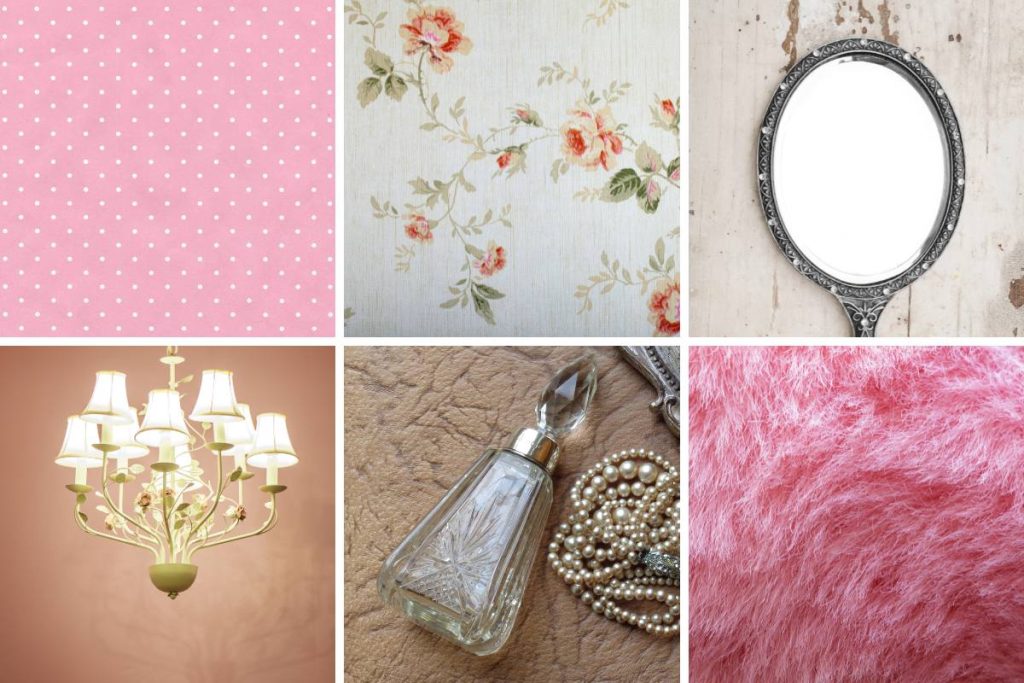
Start by exploring salvage yards, estate sales, and online marketplaces for vintage mirrors with ornate frames. A gilded antique mirror becomes an instant focal point above your sink, transforming an ordinary wall into a conversation piece. These mirrors often cost less than designer alternatives while offering superior craftsmanship and character.
Repurposed furniture makes exceptional bathroom vanities. An old dresser with a fresh coat of eco-friendly paint can house your sink beautifully. Simply have a plumber cut an opening for the basin, and you’ve created a unique piece with built-in storage. Console tables, vintage desks, and even antique sewing machine stands work wonderfully for this purpose. This approach aligns with smart furniture solutions that maximize both function and style.
Salvaged fixtures offer another avenue for sustainable design. Reclaimed clawfoot tubs, vintage faucets, and porcelain sinks from mid-century buildings bring timeless elegance to modern bathrooms. Many architectural salvage companies professionally restore these pieces, ensuring they meet current plumbing standards while maintaining their historic charm.
Don’t overlook smaller architectural elements like reclaimed wood for shelving, vintage glass doorknobs, or salvaged tile for accent walls. Old barn wood makes stunning floating shelves, while antique medicine cabinets provide both storage and authenticity.
The beauty of upcycling lies in its uniqueness—no two renovations will look alike. You’re creating a bathroom that reflects your creativity while making environmentally conscious choices. Plus, you’ll likely save money compared to purchasing everything new, allowing you to allocate your budget toward high-quality sustainable fixtures where it matters most. Every reclaimed piece represents resources saved and waste prevented, making your bathroom renovation genuinely green from every angle.

Hidden Ways to Make Your Bathroom More Sustainable
Beyond the obvious swaps like low-flow showerheads, there’s a whole world of innovative bathroom upgrades that can dramatically reduce your environmental footprint. These lesser-known strategies might require a bit more planning, but they deliver impressive long-term benefits that go far beyond what most homeowners expect.
Let’s start with greywater systems, which might sound complicated but are surprisingly practical. These systems capture water from your shower, bathtub, and bathroom sink, then redirect it for use in toilet flushing or outdoor irrigation. While a full-scale greywater system requires professional installation, the water savings can be substantial. A family of four could save up to 40 gallons daily, which really adds up on your water bill. Some modern systems even integrate with water softener systems to ensure optimal water quality throughout your home.
Here’s something most people overlook: bathroom insulation. Your bathroom loses more heat than almost any other room because of all those cold surfaces and ventilation requirements. Upgrading insulation around pipes, behind walls, and especially around your bathtub can reduce heating costs significantly. Combined with a heated floor system, proper insulation creates a cozy space that requires minimal energy to maintain comfortable temperatures.
Tankless water heaters deserve serious consideration during bathroom renovations. Unlike traditional tank heaters that constantly maintain hot water even when you’re not using it, tankless models heat water on demand. They’re compact enough to install right in your bathroom, eliminating heat loss through long pipe runs and cutting energy consumption by up to 30 percent for smaller households.
Finally, smart technology transforms how you monitor and control water and energy use. Smart shower controllers let you preset temperature and duration, preventing water waste while you wait for it to warm up. Water leak detectors send alerts to your phone the moment they sense moisture, potentially saving thousands in water damage repairs. Even smart mirrors with integrated LED lighting and demisting features reduce energy consumption while adding serious style points to your renovation.
These hidden strategies work best when combined, creating a bathroom that’s genuinely sustainable without sacrificing comfort or aesthetics.
Planning Your Renovation: Where to Spend and Where to Save
Let’s talk money, because sustainable renovations don’t have to drain your bank account. The key is knowing where your dollars make the biggest difference and where you can flex your DIY muscles without compromising on eco-friendliness.
Start by investing in the fixtures that work hardest for you. A quality low-flow toilet might cost $300-600 upfront, but it’ll save around 13,000 gallons of water annually for an average family. That’s real money back in your pocket within two to three years. Similarly, a WaterSense-certified showerhead costs just $30-80 but cuts water heating costs by 15-20% annually. These are your no-brainer investments that pay dividends for years to come.
On the other hand, this is where you can save: decorative elements like bamboo accessories, reclaimed wood shelving, or vintage mirrors from thrift stores add sustainable character without the premium price tag. I recently helped a friend create stunning floating shelves from salvaged barn wood for under $50, compared to $200-300 for new sustainable options.
When it comes to DIY versus professional installation, be honest about your skill level. Installing a low-flow showerhead or faucet aerator? Absolutely DIY-friendly and takes minutes with basic tools. Replacing a toilet or installing underfloor heating? Unless you’re experienced, hire a professional. Botched plumbing jobs can waste thousands of gallons and cost significantly more to fix than hiring help initially.
For materials, shop smart across price points. Recycled glass tiles offer the same eco-benefits whether you pay $8 per square foot at a discount supplier or $25 at a boutique showroom. Check architectural salvage yards, Habitat for Humanity ReStores, and local buy-nothing groups for incredible sustainable finds at fraction-of-retail prices.
Remember, sustainable renovation is a marathon, not a sprint. Tackle high-impact, water-saving fixtures first, then phase in other improvements as your budget allows. A complete sustainable bathroom overhaul might cost $8,000-15,000, but spreading projects over 12-18 months makes it manageable while still delivering immediate environmental benefits. You’re making choices that benefit both your wallet and the planet, and that’s something to feel genuinely good about.
Creating a sustainable bathroom doesn’t mean you need to tear everything out and start from scratch tomorrow. The beauty of eco-friendly renovations is that every single choice you make, no matter how small, contributes to a healthier planet and a more efficient home. Whether you’re ready to swap out your old showerhead for a low-flow model or you’re planning a complete overhaul with reclaimed wood vanities and recycled glass tiles, you’re making a positive impact.
Think of your sustainable bathroom journey as a marathon, not a sprint. Start with one or two changes that feel manageable for your budget and timeline. Maybe that’s switching to LED lighting this month and installing a dual-flush toilet next quarter. Perhaps you’ll begin by simply choosing low-VOC paint for your next refresh. Each step builds momentum and confidence for the next.
What’s truly exciting is how sustainable choices no longer mean sacrificing style or functionality. Today’s eco-friendly fixtures are sleek, modern, and often outperform their conventional counterparts. You get to enjoy a beautiful space that reflects your values while saving money on utility bills and reducing your environmental footprint.
Remember, the most sustainable renovation is often the one that makes the most of what you already have. Sometimes a fresh coat of eco-friendly paint and new water-saving fixtures can transform your bathroom without the waste of a complete demolition. Your perfect sustainable bathroom is waiting, and it starts with just one thoughtful choice.