Water should drain at least 5 to 10 feet away from your home’s foundation, with the ground sloping at a minimum grade of 6 inches for the first 10 feet. This critical distance protects your biggest investment from thousands of dollars in potential foundation damage, basement flooding, and structural issues that can creep up silently over years of improper drainage.
Understanding this measurement matters because water is relentless. When rain pools around your foundation, it seeps into tiny cracks, expands during freeze-thaw cycles, and gradually compromises your home’s structural integrity. You might notice warning signs like basement dampness, cracks in walls, or doors that suddenly stick, but by then, damage is already underway.
The good news? Establishing proper landscape drainage doesn’t require a construction degree or enormous budget. Simple solutions like extending downspouts, regrading soil around your foundation, or installing a French drain system can redirect water effectively. Whether you’re comfortable tackling weekend projects or prefer calling in professionals, protecting your foundation starts with recognizing that those few feet of distance make all the difference between a dry, stable home and costly water damage repairs down the road.
The Magic Number: How Far Water Really Needs to Go
Here’s the straight answer you’ve been looking for: water should drain at least 5 to 10 feet away from your home’s foundation. Think of it as creating a safety zone around your house, a protective buffer that keeps moisture from wreaking havoc on your foundation and basement.
This isn’t just a number someone pulled out of thin air. The 5 to 10 foot guideline comes from building codes and decades of experience from foundation experts who’ve seen what happens when water lingers too close to homes. Those first few feet are crucial because that’s where water can easily seep into the ground and find its way to your foundation walls, leading to cracks, settling, and those dreaded basement leaks nobody wants to deal with.
Now, here’s where it gets interesting. That 5 to 10 foot range isn’t a one-size-fits-all answer. Your home might need adjustments based on a few key factors. If you live in an area with clay soil, which holds water like a sponge, you might want to push that drainage even farther out. Sandy soil? You’re in luck because it naturally drains faster, though you still want to maintain that minimum distance.
Climate plays a role too. Areas with heavy rainfall or lots of snow melt need more aggressive drainage solutions. And your foundation type matters. A basement foundation requires more attention than a slab foundation simply because there’s more potential for water infiltration.
The bottom line: aim for that 5 to 10 foot minimum, but don’t hesitate to go beyond if your specific situation calls for it. Your foundation will thank you for the extra protection.

What Happens When Water Gets Too Cozy With Your Foundation
Picture this: you’ve just noticed a hairline crack snaking up your basement wall, or perhaps you’ve discovered that musty smell that just won’t quit. These aren’t just minor annoyances—they’re warning signs that water has been hanging around your foundation a bit too long.
When water doesn’t drain properly away from your home, it becomes the uninvited guest that overstays its welcome. The soil surrounding your foundation acts like a sponge, soaking up moisture and expanding. During dry spells, it shrinks back down. This constant push-and-pull creates pressure that can crack even the sturdiest foundation walls. Before you know it, those tiny cracks become highways for water to enter your basement.
The consequences get costlier from there. Persistent moisture creates the perfect environment for mold and mildew to thrive in your basement or crawl space—a health hazard that can spread throughout your home’s ventilation system. Soil erosion is another sneaky problem, gradually washing away the ground that supports your foundation and creating dangerous settling issues.
We’ve seen homeowners face repair bills ranging from a few thousand dollars for minor waterproofing to tens of thousands for foundation repairs. One neighbor shared how ignoring drainage issues for just two years led to structural damage requiring steel reinforcement beams—a project that disrupted their entire first floor for weeks.
The good news? Understanding proper drainage distance and taking action now can help you avoid becoming another cautionary tale.

Reading Your Property’s Warning Signs
The Five-Minute Walk-Around Test
Grab your raincoat and let’s play detective! The best time to assess your drainage is within an hour after a good rainfall, when you can see water doing its thing around your home’s foundation.
Start at one corner of your house and slowly walk the entire perimeter, keeping your eyes peeled for telltale signs of trouble. Look for puddles or standing water within six feet of your foundation—these are red flags that water isn’t flowing away as it should. Pay special attention to areas where downspouts empty and where your yard slopes.
Notice any damp spots on your foundation or dark streaks on the basement walls? These indicate water is sticking around too long. Check for soil erosion near the foundation too, which often means water is flowing toward your house instead of away from it.
Here’s a simple trick: place a few wooden stakes in suspicious areas. Return after the next rain to see if the ground around them is soggy or if water pools nearby. Take photos during your walk-around so you can track problem spots over time and share them with contractors if needed. This five-minute investment can save you thousands in future foundation repairs and give you peace of mind that your home’s drainage is working hard to protect your investment.
Red Flags That Demand Immediate Attention
Your home will often send you clear distress signals when water isn’t draining properly, and catching these early can save you thousands in repair costs. Keep an eye out for standing water that lingers more than 24 hours after rainfall, especially within that critical six-foot zone around your foundation. This pooling is your first clue that something’s amiss.
Head down to your basement and look for telltale moisture signs like damp walls, musty odors, or visible water stains that creep up from the floor. These aren’t just cosmetic issues—they’re warning bells. Outside, inspect your foundation carefully for new cracks or existing ones that seem to be widening. While hairline cracks are sometimes normal, anything larger than a quarter-inch deserves professional attention.
Notice areas where soil has mysteriously disappeared near your foundation? That’s erosion at work, carrying away the protective barrier between water and your home’s structure. You might also spot water stains on your foundation walls or discoloration on siding near ground level. Don’t ignore peeling paint or efflorescence—that white, chalky residue that appears when water evaporates from masonry. These visual cues are your home’s way of asking for help before minor drainage issues become major foundation nightmares.
Smart Residential Drainage Solutions That Actually Work
Grading and Sloping: The Foundation of Good Drainage
Think of your yard’s slope as a gentle slide that guides water away from your home’s foundation. The golden rule? You’ll want a minimum 6-inch drop over the first 10 feet from your house. This might not sound like much, but it’s enough to keep water moving in the right direction instead of pooling against your foundation.
Here’s a simple way to check your current slope: Grab a 10-foot board and a level (or use your smartphone’s level app). Place one end of the board against your foundation and use the level to make it perfectly horizontal. Measure the gap between the ground and the board’s far end. If that gap is less than 6 inches, you’ve got work to do.
Walk around your house on a rainy day and watch where water flows. Notice any puddles forming near the foundation? Those are red flags that your grading needs attention. Sometimes you’ll spot depressions that have settled over time, or areas where previous landscaping projects created unintentional valleys.
Regrading becomes necessary when water consistently flows toward your home, when you notice foundation cracks appearing, or when your basement starts feeling damp. The good news? Minor slopes can often be corrected by adding soil and reshaping your landscape yourself.
Gutters and Downspouts: Your First Line of Defense
Think of your gutters as the unsung heroes of your home’s water management system. When properly installed and maintained, they’re your best defense against water damage around your foundation. The magic happens when gutters effectively collect rainwater from your roof and channel it away through downspouts, but here’s the catch: where that water ends up matters tremendously.
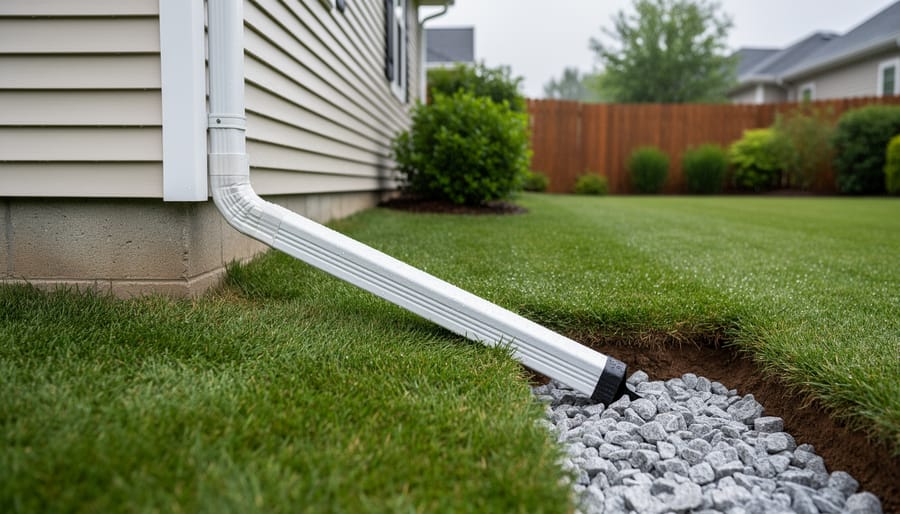
Your downspouts should extend at least 4 to 6 feet away from your foundation, directing water to a safe distance. Without proper extensions, all that collected water simply dumps right next to your house, defeating the entire purpose of having gutters in the first place. Consider adding downspout extenders, which are affordable and incredibly effective. These simple attachments can be rolled out during rainstorms or permanently installed underground for a cleaner look.
Splash blocks are another practical solution, creating a sloped path that guides water away from your foundation. Position them directly under downspouts to prevent soil erosion and pooling. Regular gutter maintenance ensures your system works efficiently year-round. Keep gutters clean, check for proper slope, and ensure downspouts aren’t clogged. These small efforts protect your home’s foundation and prevent costly repairs down the road.
French Drains and Underground Solutions
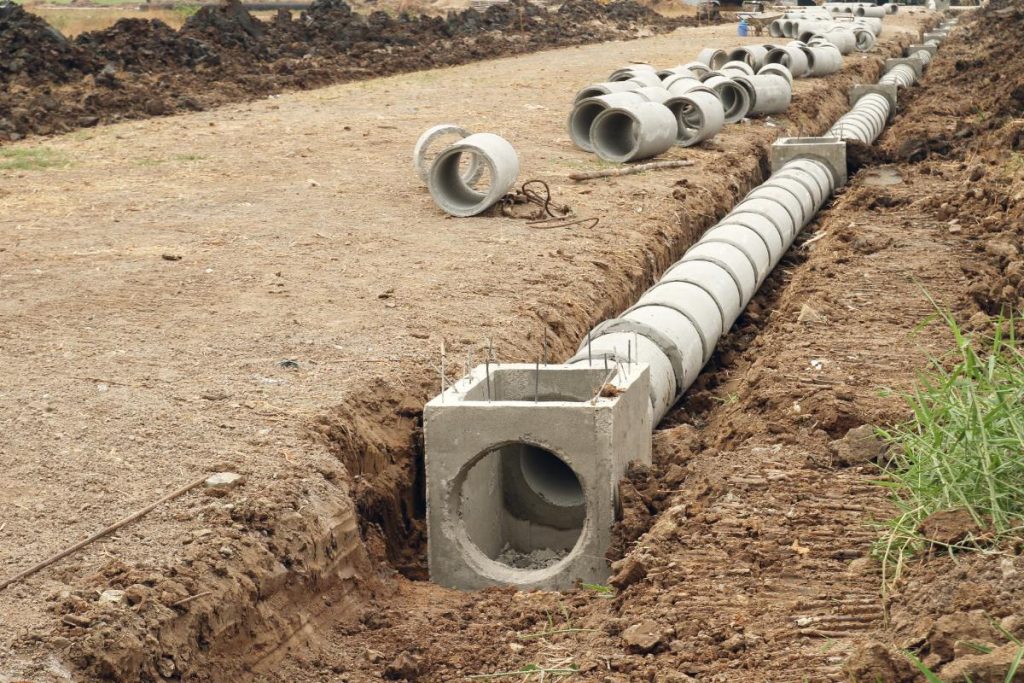
When surface solutions aren’t cutting it and water keeps pooling near your foundation, it’s time to go underground. French drains are like secret highways for water, whisking it away before it causes trouble. These simple yet brilliant systems use a gravel-filled trench with a perforated pipe to collect and redirect water at least 10 feet from your home, though 15-20 feet is even better.
Installing a basic French drain can be a weekend DIY project if you’re comfortable digging and have decent drainage conditions. You’ll need landscape fabric, gravel, a perforated pipe, and some elbow grease. Expect to invest $200-500 for materials on a typical 30-foot run.
However, call in the professionals if you’re dealing with complicated grading, need to cross under driveways, or have utility lines in the area. Professional installations typically run $2,000-6,000 depending on length and complexity. Think of it as insurance for your foundation—money well spent when soggy situations threaten your home’s structural integrity.

Surface Solutions: Swales, Berms, and Rain Gardens
Who says drainage solutions can’t be beautiful? Swales, berms, and rain gardens transform functional necessities into landscape features that genuinely boost your home’s curb appeal. A swale is essentially a gentle, grassy depression that guides water away from your foundation, typically directing it at least 10 feet out before dispersing naturally. Pair it with a berm—a raised mound of soil—and you’ve created an attractive rolling landscape that doubles as water management.
Rain gardens take this concept further, creating purposeful low spots planted with water-loving native plants that absorb runoff while adding color and texture to your yard. These features work especially well as drainage solutions for flat yards where traditional grading proves challenging. The beauty here is customization—choose plants that reflect your style while naturally filtering water away from your home. With some creative planning, you’ll solve drainage issues while neighbors wonder who your landscape designer is.
Tailoring Your Drainage Strategy to Your Home
Working With (or Against) Your Soil Type
Think of your soil as your yard’s personality—it determines how water behaves around your foundation. Clay soil is like a stubborn friend who holds onto everything; it drains slowly and may require you to extend drainage at least 10 feet from your house, sometimes more. You might need to incorporate gravel trenches or consider installing French drains to help water escape.
Sandy soil, on the other hand, is the easygoing type that lets water pass through quickly. While this sounds ideal, water can still pool if your grading isn’t right. Aim for that standard 6-10 foot drainage distance, and focus on proper slope.
Loamy soil is the goldilocks option—balanced and cooperative. It drains moderately well, so standard drainage practices usually work beautifully. A simple test: dig a hole about 12 inches deep, fill it with water, and see how fast it drains. If it’s still there after 24 hours, you’ve got clay and need to plan accordingly.
Climate and Regional Considerations
Your local climate plays a bigger role in drainage planning than you might think! If you live in a region with heavy rainfall, like the Pacific Northwest, you’ll need more robust drainage solutions since saturated soil can’t absorb water as quickly. Consider extending downspouts even farther than the standard 6-10 feet and creating swales or rain gardens to handle the extra volume.
In areas with freeze-thaw cycles, water pooling near your foundation becomes especially problematic. When moisture freezes, it expands, potentially cracking your foundation and creating entry points for water damage. Make sure your drainage system slopes continuously away from your home to prevent ice dams from forming around the foundation during winter months.
Desert dwellers face different challenges altogether. While rainfall might be infrequent, those sudden downpours can overwhelm unprepared drainage systems. Hard-packed, clay-heavy soil common in arid regions doesn’t absorb water well, so proper grading becomes even more critical. Think of your drainage plan as insurance against those occasional but intense storms that catch everyone off guard!
Your Action Plan: Getting Started This Weekend
Ready to tackle your drainage concerns? This weekend is the perfect time to start! Begin with a simple walk-around inspection of your property during daylight hours. Look for obvious problem areas like pooling water, downspouts dumping directly against your foundation, or soil sloping toward your house. Grab your smartphone and take photos to track your progress.
Your first quick win costs less than twenty dollars: extend those downspouts with flexible drainage extensions from your local hardware store. You can install these in under an hour, and they’ll immediately redirect water at least six feet away from your foundation. Next, check your gutters for clogs and give them a good cleaning—this simple task prevents overflow issues that undermine all your other efforts.
For the following weekend, tackle grading issues in small sections. Purchase a few bags of topsoil and build up areas within three feet of your foundation, creating that crucial slope. Think of it as giving your home a protective shield, one wheelbarrow at a time.
If you discover significant foundation cracks or persistent flooding, that’s your cue to call in professional help. Incorporating preventive maintenance strategies now saves thousands in future repairs.
Protecting your home’s foundation from water damage isn’t just smart—it’s essential. Now that you understand the golden rule of keeping water at least 6 feet away from your foundation, you’re already ahead of the game. Whether you tackle this project yourself with simple grading adjustments and extended downspouts, or bring in professionals for more complex drainage solutions, you’re making one of the most valuable investments in your home’s longevity. Think of proper drainage as your house’s invisible shield, working 24/7 to prevent costly repairs and maintain your property’s value. Don’t wait until you spot foundation cracks or basement moisture to take action. Start with a walk around your property after the next rainfall—you’ll be amazed at what you discover. Your future self will thank you for addressing drainage today, and your home will stand strong for years to come. Ready to get started? Grab your measuring tape and take that first step toward a drier, healthier home.