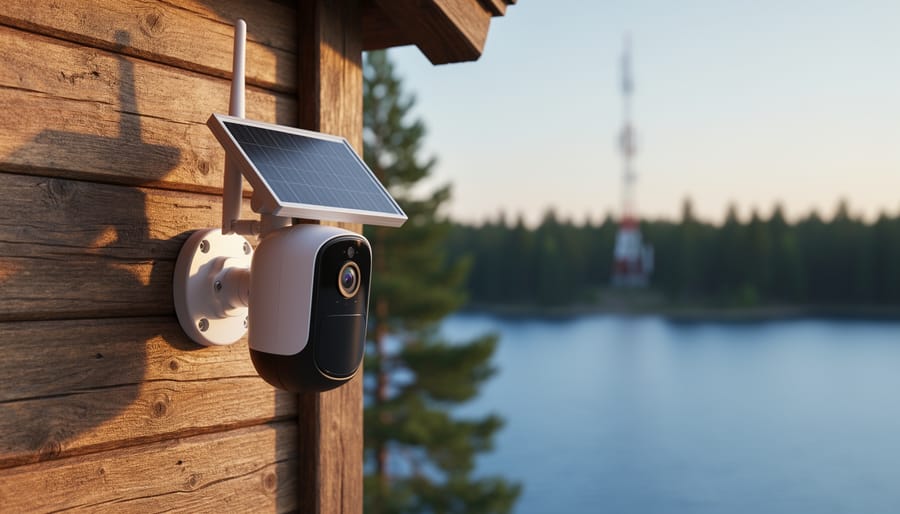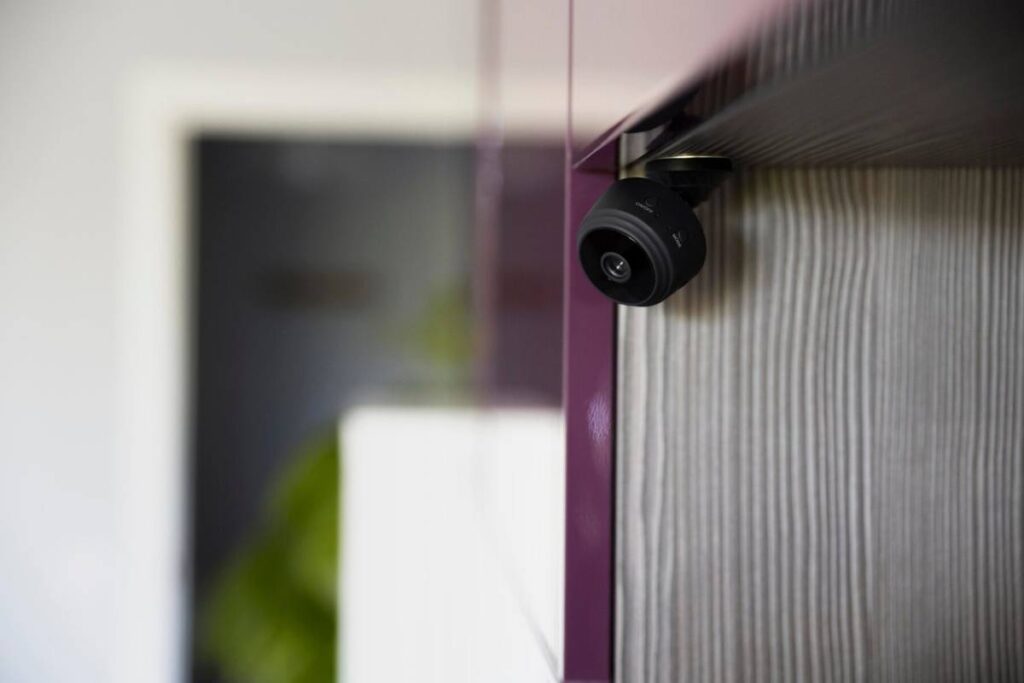
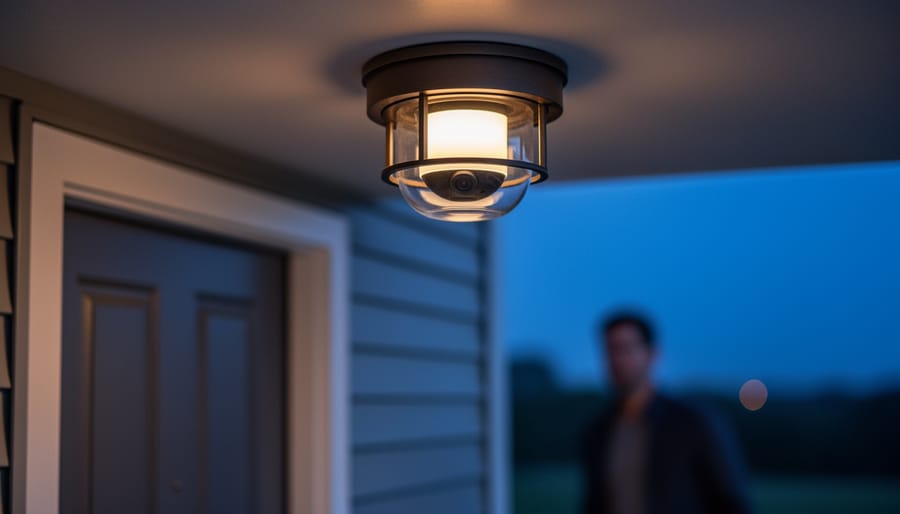
Disguise your home security system as an everyday ceiling fixture by installing cameras directly into light bulb sockets or housing units. These clever devices combine illumination with surveillance, eliminating the obvious “someone’s watching” vibe that traditional cameras broadcast to visitors and potential intruders alike. Mount a camera-equipped LED bulb into your porch light, and you’ve instantly created a monitoring station that blends seamlessly with your home’s exterior while capturing a 360-degree view of your entryway.
The beauty of light fixture security cameras lies in their dual functionality. You’re not sacrificing lighting quality for protection—these units provide genuine illumination while recording HD video, detecting motion, and sending alerts to your smartphone. They work particularly well in areas where you’d naturally have overhead lighting anyway: garages, front porches, backyards, and mudrooms. Unlike bulky wall-mounted cameras that require drilling, running wires, and explaining to guests why your home looks like a convenience store, these fixtures simply screw into existing sockets.
Installation takes minutes rather than hours. Choose between complete fixture replacements that house cameras within decorative housings, or opt for smart bulb cameras that twist into standard E26/E27 sockets. Connect them to your home’s Wi-Fi network, download the companion app, and you’ve created an invisible security perimeter that watches over your property without announcing itself to the world.
What Are Security Cameras in Light Fixtures?
Imagine combining two essential home features—outdoor lighting and security monitoring—into one sleek, space-saving device. That’s exactly what security cameras in light fixtures deliver. These innovative products integrate video surveillance directly into your lighting system, eliminating the need for separate cameras mounted awkwardly on walls or eaves.
The technology behind these devices is surprisingly straightforward. A camera lens is built into the fixture itself, capturing video footage while the light component functions normally. The camera connects to your home’s Wi-Fi network, sending live feeds and recordings to your smartphone or computer. Most models include motion sensors that trigger both the light and recording simultaneously, ensuring you never miss important activity around your property.
You’ll find three main types to choose from, each suited to different areas of your home. Floodlight cameras are the powerhouses of this category—think bright LED floodlights paired with high-definition cameras, perfect for driveways, backyards, or any large outdoor space needing serious illumination and monitoring. These typically replace existing floodlight fixtures and offer the widest field of view.
Porch light cameras provide a more subtle approach, designed to replace your standard porch or entryway lights. They look like ordinary decorative fixtures but house cameras that monitor your front door and welcome areas without drawing attention. These are ideal if you prefer security that doesn’t scream “you’re being watched.”
Bulb cameras represent the most budget-friendly and flexible option. These ingenious devices screw directly into existing light sockets, requiring no rewiring or installation expertise whatsoever. Simply remove your old bulb, twist in the camera bulb, and you’re done—making them perfect for renters or anyone hesitant about permanent installations.
Unlike traditional setups where you’d mount a separate camera and maintain independent lighting, these integrated solutions streamline your home’s exterior, reduce clutter, and often cost less than purchasing components separately. Plus, installation becomes significantly simpler when you’re working with one device instead of two.

Why Combine Your Lighting and Security?
The Stealth Advantage
One of the most compelling reasons homeowners are embracing security cameras in light fixtures is their remarkable ability to hide in plain sight. Think about it: we’re all so accustomed to seeing light fixtures in every room and outdoor space that they essentially become invisible to us. That same familiarity works beautifully in your favor when it comes to home security.
Traditional security cameras, while effective, can stick out like a sore thumb. They announce their presence with obvious lenses and mounting brackets, which might deter some intruders but can also make your home look like a fortress rather than a welcoming space. In contrast, cameras integrated into ceiling lights, porch fixtures, or floodlights blend seamlessly with your existing décor. Guests won’t give them a second glance, and potential intruders won’t know they’re being recorded until it’s too late.
This stealth factor is particularly valuable for monitoring package deliveries, keeping an eye on side entrances, or watching over backyard entertaining spaces without creating an atmosphere of surveillance. You get peace of mind without sacrificing the warm, inviting aesthetic you’ve worked hard to create in your home.
Cost and Installation Savings
Here’s the beautiful part about security cameras built into light fixtures: you’re essentially getting two products for less than the price of purchasing them separately. Instead of buying standalone security cameras and separate light fixtures, these integrated units combine both functions in one sleek package. That means fewer items on your shopping list and more money staying in your wallet for other home improvement projects.
The installation savings are equally impressive. Rather than hiring an electrician to install new fixtures and then arranging for a security professional to mount and wire cameras, you’re tackling one installation instead of two. Many of these combo units work with existing electrical boxes, making them DIY-friendly for homeowners comfortable with basic electrical work. Even if you do hire a professional, you’ll only pay for a single installation visit.
Don’t forget about ongoing maintenance costs either. Fewer devices mean fewer batteries to replace, fewer firmware updates to manage, and less troubleshooting when something inevitably needs attention. You’re simplifying your home’s tech ecosystem while boosting security and lighting quality simultaneously. For budget-conscious homeowners who love maximizing value, these dual-purpose fixtures deliver serious bang for your buck.
Smarter Motion Detection and Illumination
One of the smartest features of these hybrid devices is their ability to coordinate lighting and recording for maximum security impact. When the camera detects movement in your driveway or near your front door, it instantly triggers the floodlight, bathing the area in bright light. This dual-action response serves two powerful purposes at once.
First, sudden illumination acts as an immediate deterrent. Most prowlers prefer working in darkness, and an unexpected flood of light often sends them heading elsewhere. Think of it as your home automatically saying, “We see you!” Second, that same light dramatically improves your video quality. Instead of grainy, hard-to-identify nighttime footage, you get crystal-clear recordings that actually show faces, clothing details, and license plates.
This synchronized response happens in milliseconds, ensuring nothing important gets missed. Many systems let you customize sensitivity levels too, so you’re not constantly flooding your yard with light every time a cat wanders by. You can set detection zones focusing on walkways and entry points while ignoring tree branches swaying in the breeze. The result is a security system that works smarter, not harder, giving you reliable protection without false alarms disrupting your evening or annoying the neighbors.
Where to Install Camera Light Fixtures in Your Home
Front Door and Porch Areas
Your front door and porch are the absolute priority spots for security camera lighting fixtures, and for good reason. This is where most package deliveries happen, where visitors arrive, and unfortunately, where unwelcome guests often test the waters first. Installing a camera-equipped light fixture here serves double duty by illuminating your entrance while keeping a watchful eye on activity.
When choosing a fixture for this high-traffic zone, look for one with a wide field of view, ideally 130 degrees or more, to capture the entire porch area and approach walkway. Motion detection is essential here, and you’ll want adjustable sensitivity settings so you’re not getting alerts every time a leaf blows by. Two-way audio is incredibly useful for greeting delivery drivers or deterring porch pirates with a quick warning. Weather resistance rated IP65 or higher ensures your fixture withstands rain, snow, and temperature swings. Consider fixtures with customizable motion zones too, so you can focus monitoring on your doorstep rather than the sidewalk beyond.

Garage and Driveway
Your garage and driveway are prime targets for would-be thieves scoping out tools, bicycles, or valuables left in vehicles. Installing security cameras in light fixtures above your garage door or along the driveway creates an effective monitoring system that blends seamlessly into your home’s exterior. These dual-purpose fixtures illuminate your parking areas while keeping a watchful eye on activity around your vehicles and storage spaces.
Consider placing a camera-equipped fixture near your garage side door, a common entry point that homeowners often overlook. The elevated position provides an excellent vantage point to capture license plates and facial details of anyone approaching. Motion-activated lighting paired with recording capabilities means you’ll have clear footage even during nighttime hours when break-ins typically occur.
For longer driveways, spacing multiple light fixture cameras creates comprehensive coverage without the obvious appearance of a traditional security setup. This discreet approach works particularly well if you live in a neighborhood with design guidelines or simply prefer maintaining your home’s curb appeal while enhancing protection for your vehicles and outdoor equipment.
Backyard and Side Entrances
Let’s talk about those sneaky spots that often get overlooked in home security planning. Your backyard gate and those narrow side passages between houses are like VIP entrances for would-be intruders—they’re secluded, often poorly lit, and tend to escape our attention until something goes wrong.
Here’s where light fixture cameras really shine. Mount them above your back gate or along side pathways, and they’ll look like ordinary outdoor lighting while quietly keeping watch. These areas are perfect candidates because they desperately need illumination anyway, so you’re solving two problems with one elegant solution. The motion-activated lighting feature is especially valuable here—it startles unwelcome visitors while alerting you to activity.
Consider adding a fixture near your basement entrance or that back door you use for taking out trash. These mundane spots are exactly where someone might test their luck. Plus, having clear footage of these perimeter areas creates a complete security picture of your property, leaving no blind spots for anyone to exploit. Think of it as creating an invisible fence of awareness around your entire home.
Choosing the Right Camera Light Fixture for Your Needs
Key Features to Look For
When shopping for security cameras built into light fixtures, you’ll want to focus on a few essential features that make a real difference in your daily experience.
Start with video quality—look for cameras offering at least 1080p resolution. This ensures you can clearly identify faces and license plates, not just vague shapes. Think of it like choosing a TV: the clearer the picture, the more useful the information.
Motion-activated night vision is absolutely crucial since many incidents occur after dark. Quality infrared LEDs will illuminate your space without announcing their presence with bright lights. The best models can capture clear footage up to 30 feet away in complete darkness.
Pay attention to the field of view, typically ranging from 110 to 180 degrees. A wider angle means fewer blind spots around your property. Consider where you’ll install the fixture and what areas need coverage—a front porch might need a wider view than a back door.
For outdoor installations, weatherproofing isn’t optional. Look for an IP65 rating or higher, which protects against rain, dust, and temperature extremes.
Finally, smart home compatibility can be a game-changer. Integration with Alexa, Google Home, or Apple HomeKit lets you check footage with voice commands or receive alerts on your phone. Some systems even allow two-way audio, so you can chat with visitors or deter potential intruders without leaving your couch.
Wired vs. Battery-Powered Options
Choosing between wired and battery-powered security camera light fixtures really comes down to your home’s setup and what you’re comfortable tackling. Wired options connect directly to your electrical system, which means you’ll never worry about changing batteries or losing power during critical moments. They’re incredibly reliable and perfect for permanent installations. The downside? Installation can be trickier, especially if you’re not comfortable working with electrical wiring. You might need to call in a professional electrician, which adds to your upfront costs.
Battery-powered models, on the other hand, are a DIY dream. You can install them almost anywhere without running new wires or cutting into walls. This flexibility is fantastic if you’re renting or want to test different locations before committing. The trade-off is maintenance—you’ll need to recharge or replace batteries every few months, depending on usage. Cold weather can also drain batteries faster, something to consider if you live in chillier climates.
Think about your priorities: if you want set-it-and-forget-it reliability and don’t mind a more involved installation, go wired. If flexibility and easy installation top your list, battery-powered fixtures offer that freedom.
Storage Solutions: Cloud vs. Local
When choosing a camera-equipped light fixture, you’ll need to decide where your footage lives. Cloud storage is the modern go-to option—your videos upload automatically to secure servers you can access from anywhere using your smartphone. Most brands offer free basic plans with limited storage (usually a few days of clips), then subscription tiers ranging from $3 to $15 monthly for extended histories and advanced features. It’s convenient and protects your footage even if someone damages the fixture.
Local storage uses SD cards or dedicated hard drives right in your home, with no monthly fees beyond the initial hardware cost. You’ll typically spend $20 to $100 on storage media that can hold weeks or months of footage. The downside? If your system gets damaged or stolen, your recordings go with it. Consider your budget and comfort level with technology—cloud storage offers peace of mind and easy sharing, while local storage appeals to privacy-conscious homeowners who prefer one-time investments. Many systems now offer both options, letting you start simple and upgrade as your needs evolve.
Installing Your Camera Light Fixture: A DIY-Friendly Approach
Safety First: What You Need to Know
Before you dive into this exciting project, let’s talk safety—because a secure home starts with secure installation practices. First and foremost, always turn off the power at your circuit breaker before touching any electrical components. It’s not just a suggestion; it’s essential. Use a voltage tester to double-check that the power is truly off before you begin working.
While many light fixture camera installations are manageable for confident DIYers, there are times when calling a licensed electrician is the smarter choice. If you’re uncomfortable working with electrical wiring, dealing with complex circuits, or if your home has older electrical systems, professional installation is worth the investment. Similarly, if you’re installing cameras in hard-to-reach places like vaulted ceilings or exterior fixtures requiring weatherproofing, an expert can ensure everything is both safe and functional. Remember, there’s no shame in asking for help—protecting your home includes protecting yourself during the installation process.
Basic Installation Steps
Installing a security camera light fixture is surprisingly straightforward, especially if you’re replacing an existing light. First, turn off the power at your circuit breaker and use a voltage tester to confirm the electricity is off—safety always comes first! Remove your old fixture by unscrewing the mounting plate and gently disconnecting the wires. You’ll typically see three wires: black (hot), white (neutral), and green or bare copper (ground).
Your new camera-equipped fixture will have corresponding wires. Connect black to black, white to white, and ground to ground using wire nuts, twisting them securely clockwise. Tuck the connected wires neatly into the junction box—this part feels a bit like solving a puzzle, but take your time. Attach the mounting bracket that came with your new fixture, then secure the light itself with the provided screws.
Before buttoning everything up, restore power briefly to test both the light and camera functions. Once you’ve confirmed everything works, finish securing the fixture and download the manufacturer’s app to complete the camera setup. Most units connect via WiFi and guide you through the process step-by-step right on your phone.
Setting Up Your Camera and Smart Features
Once your camera-equipped light fixture is installed, it’s time to bring it to life. Start by downloading the manufacturer’s app to your smartphone—think of it as your security command center. Connect the camera to your home Wi-Fi network by following the in-app prompts, which typically involve scanning a QR code or selecting your network from a list. The whole process usually takes just a few minutes and feels surprisingly straightforward.
Next, customize your motion detection zones within the app. This feature lets you define specific areas you want monitored while ignoring places with frequent activity, like a busy sidewalk or swaying tree branches. This smart targeting reduces false alerts and keeps your notifications meaningful. Adjust sensitivity settings to match your needs—higher for quiet areas, lower for busier spots. Finally, configure your notification preferences so you’re alerted immediately when something important happens, whether through push notifications, email, or both. Take a few test walks to fine-tune everything until it feels just right.

Maximizing Your Security Lighting Camera System
Optimizing Motion Sensitivity and Zones
Getting the most from your security camera light fixture means fine-tuning its motion detection settings. Think of it like teaching your camera what deserves your attention versus what doesn’t. Nobody wants their phone buzzing every time a leaf drifts past or neighborhood cat makes an appearance!
Start by adjusting the sensitivity level in your camera’s app. Most models let you dial this up or down based on your needs. If you’re getting too many alerts, lower the sensitivity slightly. Living on a busy street? You might need to increase it to catch actual visitors approaching your door.
The real game-changer is customizing detection zones. This feature lets you draw virtual boundaries on your camera’s view, telling it exactly which areas to monitor. For example, focus on your walkway and porch while excluding the sidewalk where pedestrians constantly pass by. You can also mask out tree branches or areas where pets frequently roam.
Many cameras now offer person detection using smart technology, filtering out animals and random movement. This upgrade seriously cuts down false alarms while ensuring you never miss an important visitor or unexpected guest at your door.
Integrating with Your Smart Home Ecosystem
The real magic happens when your camera-equipped light fixtures talk to the rest of your smart home. Start by connecting them to your preferred voice assistant—whether that’s Alexa, Google Assistant, or Siri—so you can check camera feeds with a simple voice command while cooking dinner or getting ready for bed.
Most camera-light combos integrate seamlessly with existing smart home platforms through their companion apps. Set up routines that turn on your porch light and start recording when motion is detected after sunset, or have cameras automatically arm when your smart lock engages. You can also sync multiple cameras throughout your home for comprehensive coverage that works together rather than in isolation.
Consider pairing these devices with smart doorbells and window sensors for layered security. When someone approaches your front door, your entryway light can brighten while the camera begins recording. Many systems now include AI-powered security features that distinguish between family members, delivery drivers, and potential intruders, sending you relevant notifications instead of alert overload. The goal is creating an intuitive ecosystem that protects your home without requiring constant manual oversight.
Security cameras integrated into light fixtures represent one of the smartest home improvements you can make today. They deliver on two essential fronts: keeping your home safe while maintaining the clean, uncluttered aesthetic you’ve worked hard to create. Unlike traditional bulky security setups that can make your home feel like a fortress, these clever devices blend seamlessly into your existing lighting design.
Think about it. You’re already lighting your entryway, porch, or garage anyway. Why not make those fixtures work double duty? You’ll save on installation time, avoid running extra wiring, and eliminate those obvious camera placements that sometimes make homes feel overly monitored. Instead, you get sophisticated security that guests might never even notice.
If you’ve been putting off upgrading your home security because you didn’t want the hassle or the look of traditional cameras, this solution removes those barriers. The technology has matured beautifully, offering crisp video quality, smart notifications, and easy integration with your other home systems.
Now’s the perfect time to take a fresh look at your current setup. Walk around your property and identify those dark corners or entry points where better lighting and security would give you peace of mind. You deserve to feel safe in your home without sacrificing style.
Take control of your home security with confidence and creativity. These dual-purpose fixtures prove that practical solutions can be elegant ones too. Your home security upgrade can be as stylish as it is smart.