Luxury vinyl flooring typically lasts 10 to 25 years, with premium products pushing even further when properly maintained. The wide range comes down to three key factors: the quality you choose, the traffic your floors endure, and how well you care for them.
Think of it this way—a builder-grade vinyl plank in a busy family kitchen might show wear around the 10-year mark, while a high-end waterproof vinyl in a guest bedroom could look pristine for two decades or more. The wear layer thickness makes all the difference here, with 12-mil to 20-mil layers offering the best longevity against scratches, scuffs, and daily life.
What makes this flooring option so appealing isn’t just the impressive lifespan—it’s the value you get during those years. Unlike hardwood that needs refinishing or carpet that traps allergens, luxury vinyl keeps delivering style and performance with minimal fuss. You’ll enjoy waterproof protection, realistic wood or stone looks, and comfort underfoot throughout its entire life.
The real secret to maximizing your investment? Simple preventive care. Regular sweeping, prompt spill cleanup, and protective pads under furniture can easily add 5 to 10 years to your floors’ lifespan. When choosing the right flooring, understanding these longevity factors helps you pick a product that matches both your budget and lifestyle needs, ensuring you get every beautiful year from your new floors.
The Real Lifespan of Luxury Vinyl Flooring
Budget vs. Premium: What the Price Tag Actually Buys You
Not all luxury vinyl flooring is created equal, and the price difference between budget and premium options reflects more than just marketing hype. It’s actually a pretty reliable roadmap to how long your floor will last.
The biggest game-changer is the wear layer, that transparent protective coating on top. Budget-friendly options typically feature wear layers between 6-12 mils thick, which works fine for low-traffic bedrooms or guest rooms. Mid-range products bump up to 12-20 mils, handling busy family spaces beautifully. Premium flooring sports wear layers of 20 mils or more, engineered to withstand the punishment of commercial spaces, which means your home kitchen won’t even make it break a sweat.
Construction quality follows a similar pattern. Budget planks might use thinner cores that can telegraph subfloor imperfections or feel hollow underfoot. Premium options incorporate thicker, more stable cores with enhanced cushioning and sound-dampening properties that not only feel better but also resist wear patterns over time.
Here’s where it gets really telling: warranties. Budget products often carry 5-10 year residential warranties, mid-range stretches to 15-20 years, while premium flooring confidently offers lifetime residential warranties. Manufacturers know their product’s limitations, and they’re essentially telling you upfront how long they expect it to perform.
Think of it this way: spending an extra dollar per square foot might translate to doubling your floor’s functional lifespan. That’s not just good math, it’s smart home improvement that pays dividends in durability and daily satisfaction.
High-Traffic vs. Low-Traffic Areas
Location matters tremendously when it comes to luxury vinyl longevity. Think of your home as having different “wear zones” that put varying levels of stress on your flooring.
High-traffic areas like entryways, hallways, and kitchens take the biggest beating. These spaces see constant foot traffic, along with additional challenges like dropped cookware, pet claws, and tracked-in dirt. In these busy zones, you can expect your luxury vinyl to last around 10-15 years, even with proper care. The good news? Quality LVP is designed specifically to handle these demanding conditions without showing wear as quickly as other flooring types.
Moderate-traffic areas like living rooms and dining spaces typically fall somewhere in the middle, often maintaining their good looks for 15-20 years. These rooms get regular use but without the intense daily pounding of main thoroughfares.
Low-traffic sanctuaries like bedrooms, home offices, and finished basements are where luxury vinyl really shines in the longevity department. With minimal foot traffic and less exposure to moisture or impacts, your flooring in these quieter spaces can easily last 20-25 years or more. Some homeowners report their bedroom LVP looking nearly new after two decades of gentle use, making these spaces excellent testing grounds if you’re considering luxury vinyl for your entire home.

What Actually Makes Luxury Vinyl Wear Out

The Wear Layer: Your Floor’s First Line of Defense
Think of the wear layer as an invisible shield protecting your luxury vinyl flooring from daily life. This transparent coating sits on top of your floor’s decorative layer, taking the brunt of foot traffic, pet paws, furniture scuffs, and everything else your household throws at it.
Here’s where thickness becomes crucial. Wear layers are measured in mils (one mil equals one-thousandth of an inch), and the difference between options is significant. A 6-mil wear layer works fine for bedrooms or guest rooms that see light activity. Step up to 12 mils, and you’re ready for most living spaces and family rooms. But if you’ve got kids racing through hallways, large dogs with clicking nails, or a kitchen that’s the heart of your home, you’ll want 20 mils or more.
Why does this matter so much for longevity? The wear layer is literally what wears away over time. Once it’s compromised, the decorative layer underneath becomes vulnerable to damage. A thicker wear layer means more material between daily life and your floor’s appearance, which directly translates to more years of beautiful flooring.
Think of it like buying winter coats. A lightweight jacket might work for mild days, but a heavy-duty parka handles harsh conditions year after year. When manufacturers rate their luxury vinyl for 10, 15, or 20-plus years, they’re basing those numbers primarily on wear layer thickness matched with expected traffic levels. Choose wisely here, and you’re setting yourself up for decades of durability.
How Your Selection Choices Impact Longevity
Wear Layer Thickness: The Number That Matters Most
Think of the wear layer as your floor’s armor—and thickness definitely matters! This protective coating determines how well your luxury vinyl stands up to daily life, from pet paws to furniture shuffles.
For low-traffic spaces like bedrooms or guest rooms, a 6-mil wear layer works beautifully and keeps costs reasonable. Bump up to 12-mil for living rooms, kitchens, and hallways where family activity concentrates. If you’ve got energetic kids, multiple pets, or entryways that see heavy action, spring for 20-mil protection—it’s worth every penny for the extra years you’ll gain.
Here’s a practical tip: think about your lifestyle honestly. A quiet couple working from home has different needs than a family of five with two dogs! Commercial-grade options (20-mil and above) might seem like overkill for residential use, but they’re game-changers in mudrooms or rental properties.
Unlike laminate flooring options where you can’t refinish the surface, luxury vinyl’s wear layer is your one-shot defense. Once it wears through, replacement is your only option. Investing in appropriate thickness upfront means enjoying beautiful floors for decades rather than facing premature replacement.
Plank vs. Tile Format: Does It Change the Game?
Good news: whether you choose plank or tile format, you’re getting essentially the same durability. Both formats use identical wear layer technology, so your 20-mil wear layer performs the same whether it’s shaped like a wood plank or a stone tile. The format decision really comes down to aesthetics and installation ease rather than longevity.
That said, planks with their longer, narrower shape can be slightly more forgiving in high-traffic hallways since seams run perpendicular to foot traffic. Tiles might edge ahead in moisture-prone bathrooms simply because their smaller size creates more seams for water distribution, preventing pooling in one spot. In reality, though, proper installation matters far more than format. Choose the look you love, install it correctly with quality underlayment, and either format will serve you well for decades.
Installation Method and Long-Term Performance
Your installation method plays a surprisingly big role in how long your luxury vinyl floors will hold up. Think of it as choosing between a firm handshake and a bear hug—both work, but they offer different levels of commitment.
Click-lock (also called floating) installations are wonderfully DIY-friendly and allow your floor to expand and contract naturally with temperature changes. These typically last 15-20 years and make future replacement a breeze since you can simply unclick planks. However, they may develop slight movement or squeaking over time if your subfloor isn’t perfectly level.
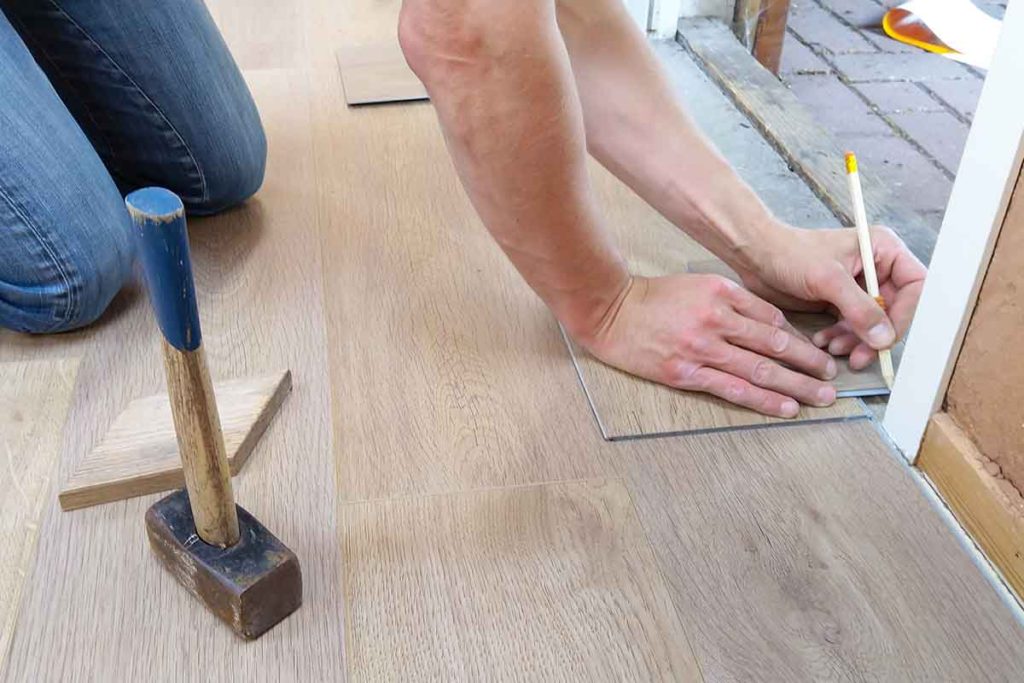
Glue-down installations create a permanent bond with your subfloor, offering superior stability and potentially extending lifespan to 20-25 years. They’re ideal for high-traffic commercial spaces or homes where you want that rock-solid feel underfoot. The trade-off? Removal requires elbow grease and patience.
For moisture-prone areas like basements or bathrooms, glue-down methods typically provide better waterproofing protection since there are no gaps for water to sneak beneath. Meanwhile, click-lock systems shine in living areas where you might want flexibility down the road—perhaps when you’re ready for a style refresh or need to access subfloor plumbing. Choose based on your space’s specific needs and your long-term plans.
Maintenance Habits That Add Years to Your Floor
The Daily and Weekly Basics That Actually Matter
Good news: keeping your luxury vinyl flooring in top shape doesn’t require a complicated routine or expensive specialty products. In fact, the simpler you keep things, the better.
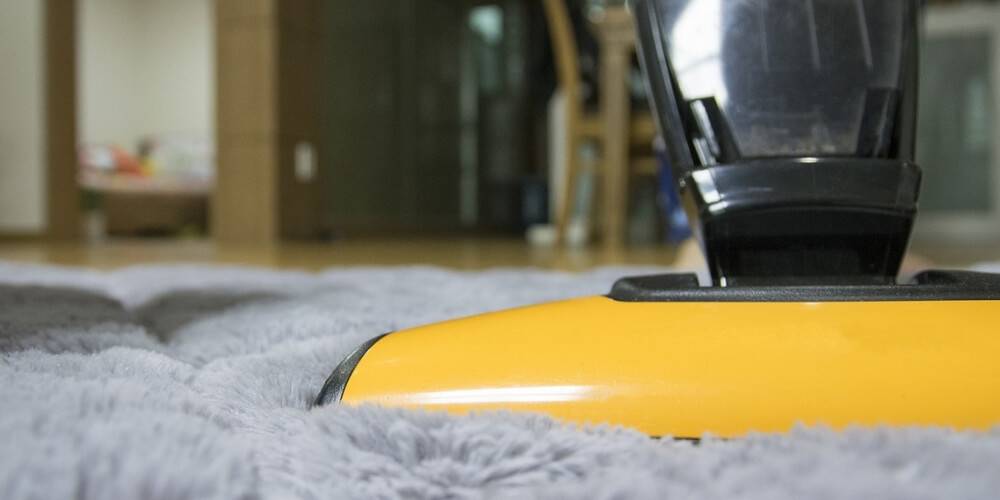
Your daily basics are refreshingly straightforward. A quick sweep with a soft-bristle broom or a pass with your vacuum (just flip off the beater bar to avoid scratches) removes the grit and dirt that act like sandpaper under foot traffic. Think of this as your flooring’s best defense against premature wear. Those tiny particles might seem harmless, but they’re actually working against you with every step.
For weekly cleaning, a damp mop with plain water or a pH-neutral vinyl floor cleaner does the trick beautifully. Here’s the key: damp, not soaking wet. Luxury vinyl handles moisture well, but standing water around seams can cause problems over time. Wring out that mop thoroughly before you start.
Now, what to avoid? Skip the steam mops, as the intense heat can potentially damage the wear layer and loosen adhesive. Also steer clear of abrasive scrubbers, oil-based cleaners, and anything with wax or polish. These products create buildup that dulls your floor’s finish and can actually attract more dirt.
One homeowner trick worth borrowing: place doormats at entrances to catch debris before it reaches your floors. This simple addition can genuinely extend your flooring’s lifespan by years.

Protection Strategies for High-Impact Areas
Think of high-impact areas as the hardworking heroes of your home. Your entryway takes a beating from outdoor shoes and weather, while the space in front of your kitchen sink sees constant foot traffic. The good news? A few smart strategies can dramatically extend your luxury vinyl’s life in these busy zones.
Start by placing durable, low-profile rugs or mats in entryways and transition areas. Look for non-slip backing that won’t trap moisture underneath, which is your flooring’s real enemy. In front of appliances like refrigerators and dishwashers, consider commercial-grade chair mats or clear protective pads, especially if you frequently slide heavy items in and out.
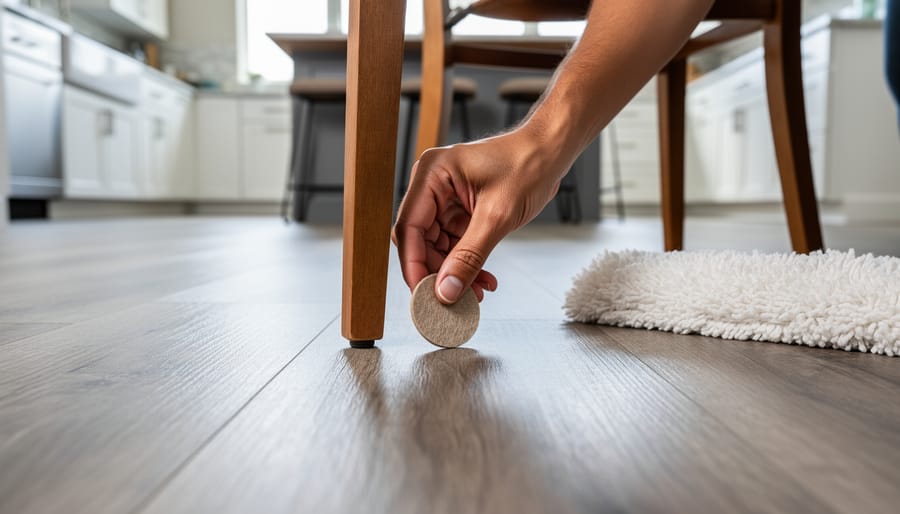
Furniture protection is equally important. Those felt pads under chair and table legs aren’t just optional accessories—they’re insurance policies against daily wear. Replace them every six months, as they compress over time and lose effectiveness.
Here’s a creative tip: create “traffic patterns” using area rugs that naturally guide foot traffic away from direct paths between frequently used spots. This distributes wear more evenly across your floor rather than creating visible pathways. Strategic furniture placement can also minimize high-traffic corridors, making your entire floor work smarter, not harder, for years to come.
What to Do When Damage Happens
Catching damage early makes all the difference. For minor scratches, try a vinyl floor cleaner first—sometimes what looks like a scratch is just scuff buildup. Deeper scratches can be touched up with vinyl repair kits available at most home improvement stores. Match the color as closely as possible, apply the filler, and smooth it flush with the surface.
Dents from heavy furniture are trickier but manageable. If the dent is shallow, sometimes gentle heat from a hairdryer can help the vinyl regain its shape. For more serious damage, plank replacement is your friend. The beauty of luxury vinyl is that individual planks can be swapped out without redoing your entire floor. Keep leftover planks from installation for exactly this purpose.
Address water damage immediately by drying the area thoroughly. While luxury vinyl handles moisture well, standing water around seams can eventually cause issues. When you spot a problem plank, don’t wait—replacing one plank today beats replacing a section tomorrow.
Warning Signs Your Floor Is Reaching the End
Even high-quality luxury vinyl won’t last forever, and knowing when it’s truly time to replace rather than repair can save you from throwing money at a lost cause. Let’s look at the telltale signs that your flooring has served its time.
The most obvious red flag is widespread wear patterns that won’t buff out or clean up. If you notice the printed design layer wearing through to the core material in heavy traffic zones, that’s your floor telling you it’s done. Unlike surface scuffs that cleaning can handle, this type of wear reveals the lighter substrate underneath and can’t be fixed.
Deep gouges and cuts that penetrate beyond the wear layer are another signal. While a single damaged plank might warrant replacement, multiple planks showing this level of damage throughout your space suggests the entire floor has reached its limit. Think of it like patching a tire—one patch is fine, but if you’re patching every few feet, you need new tires.
Water damage presents its own warning signs. If you’re seeing persistent bubbling, warping, or discoloration that doesn’t respond to drying and repair attempts, moisture has likely compromised the core. This is especially true if the edges are curling upward or if you notice soft spots when walking across certain areas.
Adhesive failure is harder to spot but equally important. If planks are separating at the seams despite reinstallation attempts, or if you’re constantly re-gluing the same sections, the floor’s integrity has been compromised.
Here’s the good news: if your issues are isolated to one room or a few planks, repair is usually your best bet. But when problems appear throughout your home or keep recurring after fixes, replacement gives you a fresh start with improved technology and style options.
When you choose quality luxury vinyl flooring and give it the care it deserves, you’re looking at a solid 15 to 20 years or more of beautiful, functional flooring. That’s a pretty impressive lifespan for a floor that handles everything from muddy paws to dance parties without breaking a sweat.
Here’s the thing: your floor is more than just something to walk on. It’s the foundation of your home’s style and comfort, which makes it worth protecting. Think of proper maintenance not as a chore, but as safeguarding an investment that serves your family day in and day out. The good news? It doesn’t take much effort to keep that floor looking fresh for decades.
The decisions you make today matter tremendously. Choosing a high-quality product with a substantial wear layer, installing it correctly, and committing to simple maintenance routines will pay dividends for years to come. Whether you’re considering wood flooring alternatives or already loving your LVP, remember that smart choices now mean fewer headaches later.
Your floor has the potential to outlast trends, kids growing up, and countless memories in the making. Make those selection and maintenance decisions count, and you’ll enjoy beautiful floors that stand the test of time.