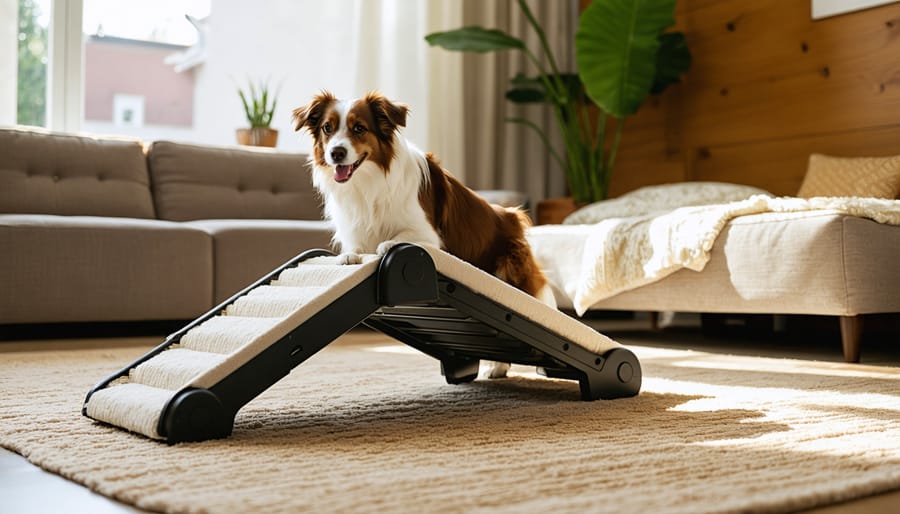

Picture this: Your adorable golden retriever is home alone, bored and anxious, while you’re stuck in traffic wondering if she’s okay. Now imagine checking your phone to see her happily playing with an interactive companion that dispenses treats, records her antics, and even lets you chat with her in real-time. Welcome to the world of smart pet robots—the game-changing intersection of pet care and home technology that’s transforming how we care for our furry family members.
Smart pet robots aren’t just expensive toys gathering dust in the corner. These clever devices serve as entertainment centers, treat dispensers, security cameras, and interactive companions all rolled into one sleek package that actually complements your living room aesthetic. For first-time pet owners and seasoned pet parents alike, these robots address real challenges: separation anxiety, insufficient stimulation during work hours, and the constant worry about what’s happening at home.
The beauty of integrating smart pet robots into your space lies in their versatility. Unlike bulky pet furniture or eyesore monitoring systems, today’s designs blend seamlessly with modern home decor while offering features that genuinely improve your pet’s quality of life. Whether you’re managing a studio apartment or designing a pet-friendly smart home from scratch, understanding how these robots work, which features actually matter, and how to choose one your pet will embrace makes all the difference between a worthwhile investment and an expensive paperweight.
What Smart Pet Robots Actually Do (Beyond the Hype)
Let’s clear up what these mechanical companions actually do in your home—because, spoiler alert, they won’t walk your dog or scoop the litter box (though wouldn’t that be nice?).
At their core, smart pet robots serve as interactive companions designed to keep your furry friends engaged when you’re away. Think of them as high-tech playmates that roll around, emit enticing sounds, and sometimes dispense treats to reward your pet’s curiosity. They’re particularly handy for indoor cats who need mental stimulation or energetic dogs that require activity between your work meetings.
The companionship aspect centers on interaction rather than replacement. These robots respond to your pet’s movements, creating an engaging chase experience that mimics prey behavior for cats or play sessions for dogs. Some models feature built-in cameras, allowing you to check in on your pets remotely—essentially turning the robot into a mobile monitoring system that lets you see what Mr. Whiskers is really up to when you’re gone.
The monitoring capabilities extend beyond simple surveillance. Many smart pet robots track activity levels, sending you insights about how much your pet has moved throughout the day. This data can be genuinely useful for managing weight or spotting changes in behavior that might indicate health issues.
Here’s where we set realistic expectations: these devices won’t replace the bond you share with your pet. They can’t provide genuine affection, understand complex emotions, or handle care responsibilities like feeding schedules or medication. What they can do is supplement your pet’s daily routine, adding enrichment during those hours when you’re physically away but want to maintain engagement.
The best way to think about smart pet robots is as interactive toys with bonus features—companions that bridge the gap when you can’t be there, not substitutes for your presence. They’re tools in your pet-friendly home ecosystem, working alongside your other smart devices to create a more responsive, engaging environment for the four-legged members of your household.

The Real Benefits of Adding a Pet Robot to Your Home
For Your Pet’s Well-Being
Let’s face it—our pets don’t understand why we leave for eight hours every day, and that separation can lead to some pretty destructive behaviors. This is where smart pet robots truly shine, acting as interactive companions that keep your furry friends mentally stimulated and physically active throughout the day.
These clever devices combat boredom through unpredictable play patterns that mimic natural prey movements, which is especially important for cats who need that hunting instinct satisfied. Dogs benefit too, with robots that dispense treats after completing simple activities or responding to motion sensors. It’s like having a dedicated play buddy that never gets tired.
For anxiety-prone pets, some robots offer calming features like recorded voice messages in your voice or gentle laser pointer sessions that provide mental focus and distraction. The exercise component shouldn’t be underestimated either—a pet that’s been chasing a robot toy around the living room is less likely to chew your favorite throw pillows out of frustration.
Think of it as creating a more enriching home environment that supports your pet’s natural behaviors. You’re not replacing yourself, but you are giving them something engaging to do while you’re handling life’s responsibilities. Many pet owners report noticeable improvements in their pets’ overall mood and behavior within just a few weeks of introducing these interactive devices into their daily routine.

For Your Peace of Mind
One of the most reassuring aspects of modern smart pet robots is how they keep you connected to your furry friend throughout the day. These clever devices act as your eyes and ears at home, giving you genuine peace of mind whether you’re stuck in a meeting or running errands across town.
Most models come equipped with high-definition cameras that let you check in anytime through your smartphone. You’ll instantly see what your pet is up to – whether they’re napping peacefully or getting into that amusing mischief pets are known for. The two-way audio feature is particularly wonderful, allowing you to speak to your pet and hear their response. Many pet parents find this especially comforting during the adjustment period when both you and your pet are getting used to being apart.
The treat dispensing function adds an interactive element that goes beyond simple monitoring. You can reward good behavior, create positive associations with the device, or simply brighten your pet’s day with a surprise snack. Some advanced models even let you schedule treat releases or trigger them remotely, turning supervision into an engaging game.
Motion and sound alerts notify you of unusual activity, so you’ll know if your pet seems distressed or if something unexpected is happening at home. This combination of features transforms a simple monitoring device into an interactive companion that bridges the gap between you and your beloved pet.
Choosing the Right Smart Pet Robot for Your Lifestyle
Match the Tech to Your Pet’s Personality
Just like people, every pet has their own unique personality, and the right smart pet robot should match their temperament perfectly. Think of it as finding the ideal play companion that speaks your furry friend’s language.
For playful, high-energy pets, look for robots with unpredictable movement patterns and interactive chase features. These dynamic devices keep energetic dogs and curious cats engaged, turning built-up energy into healthy play sessions even when you’re busy with other tasks. Many models offer adjustable speed settings, so you can dial up the excitement for athletic pets or tone it down for gentler play.
Anxious pets benefit most from robots with consistent routines and calming features. Choose devices that dispense treats on schedule, provide familiar sounds, or even release calming scents. The predictability helps nervous pets feel secure, transforming potential stress into positive associations.
Food-motivated pets respond beautifully to treat-dispensing robots with puzzle elements. These clever gadgets make snack time mentally stimulating, combining play with rewards. Look for customizable difficulty levels that grow with your pet’s learning curve.
Independent cats and aloof dogs might prefer robots that respect their space while still providing enrichment. Opt for quieter models with gentle movement patterns that invite interaction without overwhelming their boundaries. Remember, the goal is enhancing your pet’s day, not forcing interaction they’re not comfortable with.
Essential Features vs. Nice-to-Haves
When shopping for a smart pet robot, it’s easy to get dazzled by all the bells and whistles, but let’s break down what you truly need versus what’s just icing on the cake.
Your must-haves should focus on core functionality. A reliable HD camera is non-negotiable since you’ll want crystal-clear views of your furry friend throughout the day. Look for generous treat capacity too, ideally holding at least 100 pieces, so you’re not constantly refilling. Durability matters tremendously here since curious paws and playful swats are guaranteed. Sturdy construction that can withstand a curious cat’s investigation or an excited dog’s enthusiasm will save you money and frustration down the road. Battery life should give you several hours of active use between charges.
Now for the delightful extras that enhance the experience but aren’t dealbreakers. AI-powered pet tracking creates those adorable moments where the camera follows your pet around automatically, making for entertaining footage. Two-way audio lets you comfort anxious pets with your voice, though many owners find their pets respond inconsistently. Built-in laser games transform the robot into an interactive toy, keeping energetic pets entertained when you’re away.
Consider your budget and your pet’s personality when deciding which features justify the investment. A high-energy kitten might genuinely benefit from laser play, while a senior dog might only need the basics.
Integration with Your Existing Smart Home
The beauty of today’s smart pet robots lies in how seamlessly they mesh with your existing pet-friendly smart home ecosystem. Before purchasing, check compatibility with your current voice assistant. Most popular models work with Alexa, Google Home, or Apple HomeKit, letting you give simple voice commands like “play with the cat” or “dispense treats” while cooking dinner.
The real magic happens when your pet robot teams up with other smart devices. Imagine this: your smart camera detects your dog is restless, triggers the pet robot to initiate a play session, then sends you a notification. Or coordinate your automated feeder with the robot’s play schedule to establish healthy routines. Some advanced setups even let you create scenes where multiple devices work together—the robot entertains your pet while smart shades close for nap time.
Setting up these connections is surprisingly straightforward. Most manufacturers provide step-by-step guides within their apps, and you don’t need to be tech-savvy. Start simple with one integration, then expand as you discover what works best for your household and furry friends.
Designing Your Space to Work with Pet Robots
Creating Clear Pathways and Play Zones
Think of your smart pet robot as a tiny, enthusiastic helper that needs a clear runway to do its job well. Just like preparing your space for a new furry friend, setting up zones for your robot companion requires some thoughtful furniture arrangement.
Start by creating open pathways at least two feet wide between furniture pieces. This gives your robot room to navigate without getting wedged under low-clearance sofas or trapped behind chair legs. Take a walk through your home at floor level—literally get down and look—to spot potential trouble spots like dangling curtains, loose cables, or furniture with legs that create tempting but troublesome gaps.
Designate specific play zones where your pet and robot can interact safely. These areas work best in rooms with minimal clutter and plenty of floor space. Consider corners or open areas near pet-friendly furniture where both your actual pet and their robotic playmate can roam freely.
Clear away small items that could become obstacles: charging cables, kids’ toys, or decorative objects near floor level. This not only protects your investment but also prevents frustrating mid-play interruptions. For homes with multiple levels, decide which floors the robot will access and use boundary markers if needed.
Regular tidying becomes part of the routine, much like maintaining clean spaces for your pets. A quick five-minute sweep before activating your smart pet robot ensures smooth sailing and maximum playtime.

Hiding Tech Without Losing Function
Let’s face it: smart pet robots are incredible helpers, but they can turn your living room into something resembling a NASA control center if you’re not careful. The good news? You can absolutely keep all that functionality while maintaining the beautiful space you’ve worked hard to create.
Start with your charging station. Instead of letting it dominate a corner, consider dedicating a drawer in your mudroom console or a cabinet shelf where your robot can dock out of sight. Some creative homeowners have even carved out spaces inside decorative baskets or built custom furniture pieces with hidden charging compartments. The key is ensuring there’s adequate ventilation and easy access for the robot to find its way home.
Cable management is where most tech setups fall apart visually. Run charging cables behind furniture or use paintable cable raceways that blend seamlessly with your baseboards. For a cleaner look, you might install an outlet inside a cabinet specifically for your pet tech charging needs, keeping everything tucked away when not in use.
When it comes to the robot itself, many manufacturers now offer interchangeable panels or skins that let you customize the appearance. Choose finishes that complement your existing decor rather than clash with it. Place the charging station near areas where you’ve already established your pet-safe home environment, so the tech integration feels intentional rather than random.
Remember, the goal isn’t to hide that you love your pets or appreciate smart technology. It’s about making everything work together harmoniously, creating a space that’s both functional and inviting.
Setting Up and Introducing Your Pet to Their New Robot Friend
Getting your new smart pet robot up and running is easier than assembling flat-pack furniture, and the payoff is much more entertaining. The key to success lies in patience during those first crucial days, giving both you and your furry friend time to adjust to this new household addition.
Start by choosing the right location for your robot’s charging station. Pick a spot with easy access to an outlet but away from your pet’s food, water, and favorite sleeping areas. You want the robot to feel like a natural part of the environment, not an invader of sacred territory. Think of it as establishing a home base where the robot can quietly exist before making its grand entrance.
Before introducing your pet, download the companion app and complete the full setup process. Configure activity schedules, treat dispensing intervals, and any camera or monitoring features. Take time to familiarize yourself with the controls so you can quickly adjust settings if your pet shows signs of stress during those first interactions. Test all functions without your pet present, ensuring the robot moves smoothly and operates quietly.
When it’s time for the big introduction, start with the robot powered off. Let your pet investigate it as they would any new object, sniffing and circling at their own pace. This might take minutes or days depending on your pet’s personality. Once they seem comfortable with the stationary robot, turn it on but keep it in place. The gentle hum and blinking lights should become familiar background features.
Progress to short, supervised movement sessions. Use the app to send the robot on brief paths away from your pet, gradually decreasing the distance over several days. Reward calm behavior with treats and praise. If your pet shows fear or aggression, return to an earlier step. There’s no rush here.
Common first-day hiccups include pets hiding, excessive barking, or aggressive pawing. For anxious pets, cover the robot with a familiar-smelling blanket during initial stationary introductions. For overly curious cats who won’t stop batting at it, schedule robot activity during meal times when they’re distracted. Dogs who bark incessantly often calm down once they realize the robot dispenses treats rather than threatens their territory.
Remember, you’re not just setting up a gadget but integrating a new interactive element into your pet’s daily routine and your home’s ecosystem.

Making It Work Together: Smart Home Automation Ideas for Pet Care
The real magic happens when your smart pet robot becomes part of your home’s larger automation ecosystem. Think of it as creating a seamless environment where your pet’s needs are anticipated and met, even when you’re not around to orchestrate everything manually.
Start with morning routines that mirror your household schedule. You can program your smart home hub to wake up your pet robot at 7 AM for a quick play session, keeping your cat or dog entertained while you’re getting ready for work. Pair this with smart blinds that gradually let in natural light, and you’ve created a gentle, engaging start to your pet’s day without lifting a finger.
The departure routine is where things get really clever. When your smart lock engages or your security system arms, trigger your pet robot to begin its day shift. Some pet parents set up sequential activities—a 15-minute play session at 10 AM, a treat dispensing at noon, and another interactive round at 3 PM. This prevents your pet from experiencing long stretches of boredom and helps reduce separation anxiety.
Voice command integration adds spontaneous flexibility to scheduled routines. Picture this: you’re working from home and hear your dog getting restless in the living room. A simple “Hey Google, activate playtime” can send your pet robot into action, giving your pup an outlet without interrupting your video call. You can even create custom voice shortcuts like “entertain the cat” that activate specific play patterns your feline friend loves most.
Consider linking your pet robot to motion sensors too. When your pet enters certain rooms, the robot can automatically follow or initiate interaction. Connect it with your smart cameras to receive notifications when play sessions start, giving you peace of mind and some entertaining footage to enjoy during your lunch break. These integrations transform individual devices into a coordinated pet care system that works around your lifestyle.
Bringing a smart pet robot into your home represents an exciting step in modern pet parenting, blending thoughtful care with innovative technology. These clever devices can genuinely enhance your daily routine, giving you peace of mind when you’re away and creating new opportunities for engagement when you’re home. But here’s the key reminder: they work best as companions to your existing care routine, not replacements for the irreplaceable moments of genuine connection with your furry friend.
If you’re feeling hesitant about diving into the smart pet world, start small. Perhaps begin with a basic interactive camera to check in during work hours, or try a simple automated feeder for those unpredictable late evenings. You don’t need to transform your entire home overnight. Watch how your pet responds, see what genuinely improves your life together, and build from there.
The beauty of today’s pet technology lies in its ability to support the relationship you already cherish. These tools handle the logistics so you can focus on what matters most: the belly rubs, the playful afternoons, and those quiet moments of companionship. Modern pet parenting means embracing helpful innovations while keeping your pet’s happiness and your authentic bond at the heart of every decision.