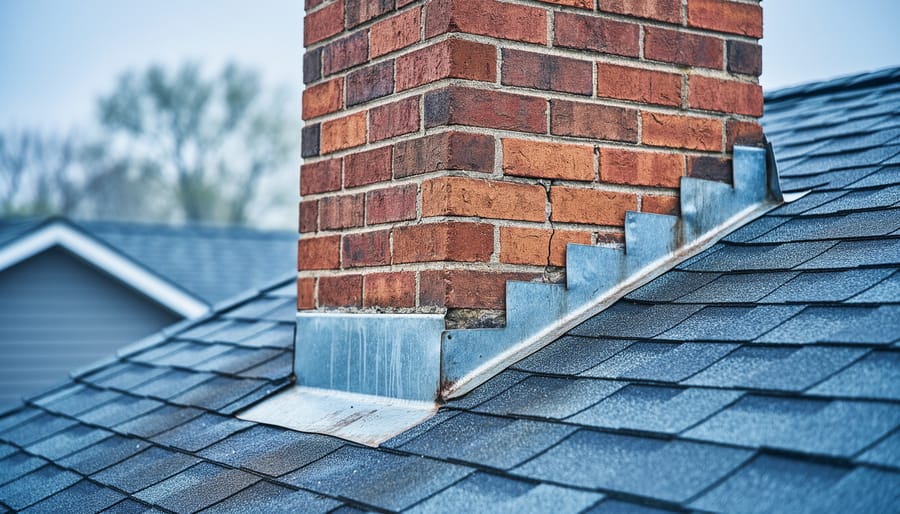
Your home’s electrical system has an invisible safety guardian working around the clock, and understanding it could literally save your life. Bonding protection connects all the metal parts in your home—from pipes to appliances to structural elements—creating a unified electrical pathway that prevents dangerous voltage differences from developing between objects you touch every day.
Picture this: without proper bonding, your metal kitchen faucet could carry a different electrical charge than your stainless steel sink. Touch both simultaneously, and you become the pathway that completes the circuit. That’s not a theoretical risk—it’s why electrical codes mandate bonding protection in every modern home.
If you’ve recently had an electrical inspection and heard the inspector mention bonding issues, or you’re planning a kitchen or bathroom renovation, this concept suddenly becomes very practical rather than purely theoretical. Many older homes lack adequate bonding, and even newer homes sometimes have gaps in their protection system after renovations when new metal components get added without proper electrical integration.
The good news? Understanding bonding protection doesn’t require an engineering degree. Think of it as creating a safety net that ensures all metal in your home speaks the same electrical language. When everything is properly connected, dangerous electrical faults have a safe path to follow instead of traveling through you. This guide will walk you through what bonding protection actually means for your home, how to identify if yours is adequate, and when to call in professional help.
What Bonding Protection Actually Means (In Plain English)
Think of bonding protection as creating a unified electrical team in your home. Just like you’d want everyone on a sports team wearing the same uniform and following the same playbook, bonding protection ensures all the metal parts in your electrical system are literally on the same page, electrically speaking.
Here’s what’s actually happening: Throughout your home, you have metal components that might accidentally become energized during an electrical fault. We’re talking about things like your water pipes, metal conduit, appliance frames, even your metal sink. Bonding protection connects all these metal parts together with special wires, creating one continuous pathway back to your main electrical panel.
Imagine a neighborhood where every house sits at a different elevation. If you tried to walk from one house to another, you’d constantly be climbing up or down steps. That’s exhausting and potentially dangerous. Bonding protection is like leveling all those houses to the same height, so you can move freely without any sudden drops or climbs. In electrical terms, it eliminates voltage differences between metal objects that could otherwise give you a nasty shock or worse.
Without bonding, you might touch your washing machine with one hand and a water pipe with the other, creating a dangerous pathway for electricity to flow through your body if there’s a fault. With proper bonding, any stray electrical current finds an easy, direct path back to the panel instead of choosing you as the conductor.
The beauty of bonding is that it works silently in the background. You never see it doing its job because when it’s working correctly, nothing dramatic happens. It’s the ultimate safety feature that prevents the scary scenarios before they can even begin, keeping your family protected while you go about your daily routines completely unaware of the electrical harmony humming through your walls.

The Real Dangers Lurking in Unbonded Homes
Picture this: You’re standing at your kitchen sink washing dishes when you reach for your stainless steel refrigerator to grab a cold drink. Suddenly, you feel a tingling sensation—not quite a full shock, but enough to make you pull your hand back. This unsettling experience is exactly what happens in homes without proper bonding protection, and it’s just the tip of the iceberg.
Without bonding, everyday metal fixtures in your home can become potential hazards. That innocent tingle can escalate during faults in your electrical system, delivering dangerous shocks that could injure you or your family. It’s especially concerning in areas where water and electricity naturally coexist—like bathrooms, laundry rooms, and kitchens—where moisture increases conductivity and amplifies risk.
Beyond personal safety, unbonded homes put your valuable appliances and electronics at serious risk. When electrical currents can’t find their proper path to ground, they wander through metal pipes, ductwork, and appliance bodies instead. This can fry sensitive electronics, damage heating and cooling systems, and shorten the lifespan of expensive appliances you’ve invested in.
Perhaps most frightening is the fire risk. Stray electrical currents traveling through unintended pathways generate heat. Over time, this heat buildup in walls, under floors, or behind fixtures can ignite surrounding materials. These fires often start hidden from view, smoldering behind walls before anyone notices something’s wrong.
The good news? These dangers are completely preventable. Understanding electrical safety fundamentals like bonding protection isn’t just about passing inspection—it’s about creating a genuinely safe environment where you can confidently enjoy your home without worry. Think of proper bonding as an invisible safety net that’s always working behind the scenes to protect everything you’ve built.
How Bonding Protection Fits Into Your Home’s Electrical Safety System
Grounding: Your Home’s Connection to Earth
Think of grounding as your home’s safety net—a direct pathway that guides stray electrical current safely into the earth rather than through you or your appliances. When functioning properly, this system gives electricity somewhere harmless to go if something goes wrong, like a wire coming loose or a lightning strike hitting nearby power lines.
Your grounding system typically consists of a metal rod driven deep into the soil outside your home, connected by wire to your main electrical panel. This earth connection is nature’s ultimate energy absorber. When excess electricity flows through the grounding wire, it disperses harmlessly into the ground, much like water soaking into soil. Without proper grounding, that same current might travel through metal pipes, appliances, or even people—turning everyday items into serious hazards. Understanding grounding helps you appreciate why bonding protection matters so much, since these two systems work hand-in-hand to keep your household safe from electrical dangers.
Bonding: Connecting the Pieces Together
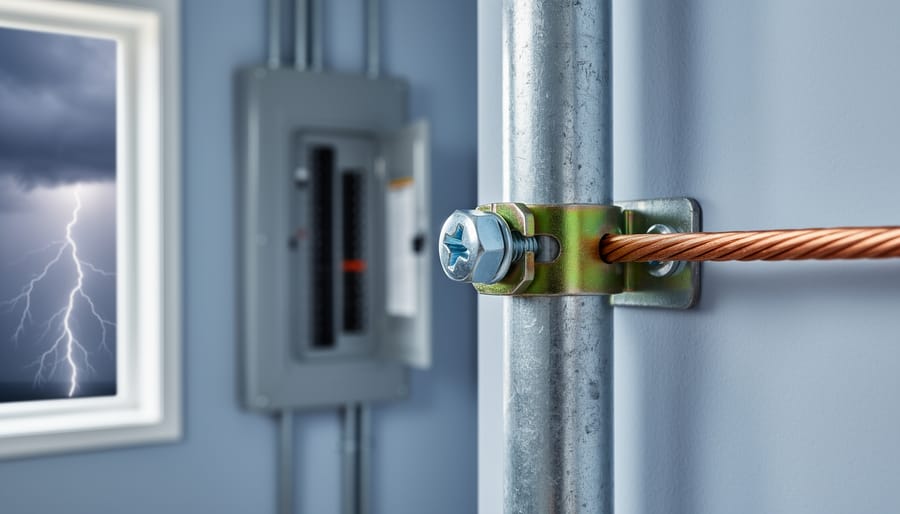
Think of bonding as creating a unified electrical network throughout your home, like connecting all the dots in a connect-the-dots puzzle. This process involves deliberately linking together all major metal components in your home’s plumbing, electrical, and HVAC systems using special conductors. Your water pipes, gas lines, electrical panel, metal ductwork, and even structural steel beams get connected with copper or aluminum wires, typically green or bare, creating one continuous electrical pathway. This isn’t about carrying electricity during normal operation—quite the opposite. By ensuring everything metal is at the same electrical potential, bonding eliminates voltage differences between objects you might touch simultaneously, like a metal faucet and a dishwasher. When properly bonded, if a fault occurs, electricity follows the designed path back to your electrical panel rather than searching for alternative routes through you. It’s essentially creating a safety net that ensures stray voltage has nowhere dangerous to go.

Surge Protection: The Final Defense Layer
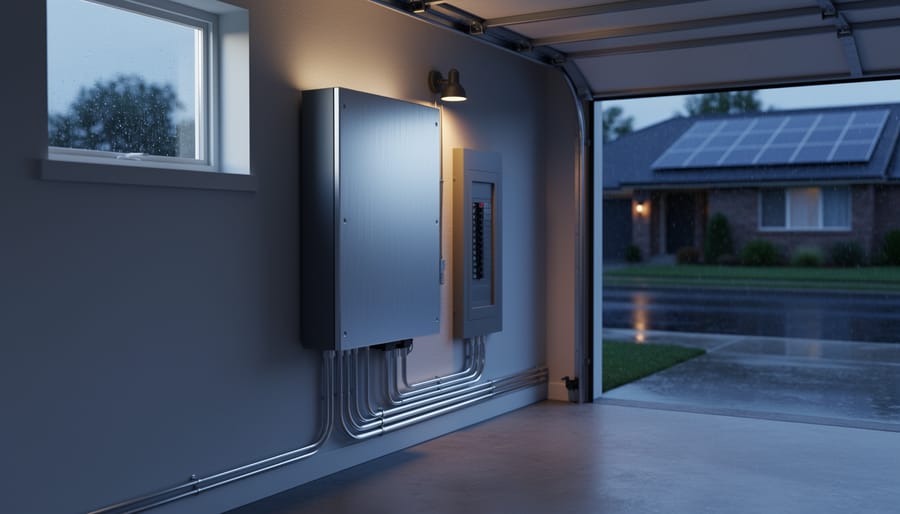
Think of bonding and grounding as your electrical system’s foundation, while surge protection devices act as the security guards standing watch. These three elements work together beautifully to keep your home safe. Bonding creates those crucial connections between metal components, grounding provides a safe path for electricity to escape, and surge protectors intercept dangerous voltage spikes before they can damage your electronics or start fires. When lightning strikes nearby or your utility experiences a power surge, these surges travel through your wiring at lightning speed. Without proper bonding and grounding in place, surge protectors can’t do their job effectively. They need that solid grounding path to redirect excess energy safely into the earth. Installing surge protection at your main electrical panel provides whole-home coverage, complementing your bonding system to create multiple layers of defense that work in harmony to protect everything you value.
What Gets Bonded in Your Home (You Might Be Surprised)
You might think bonding protection only applies to your electrical panel, but it actually extends throughout your home in ways that might surprise you. Let’s take a walk through your house and discover what’s connected to this important safety network.
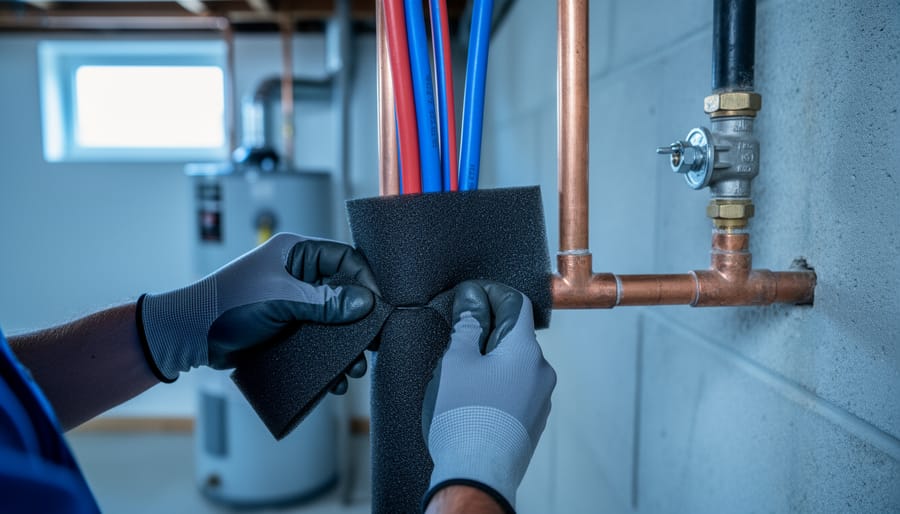
Start in your bathroom or kitchen, where those shiny metal faucets and water supply pipes need bonding. Cold and hot water lines create an extensive metal pathway throughout your walls, and without proper bonding, they could become energized during an electrical fault. That copper plumbing you admired during your last renovation? It’s part of your home’s bonding system.
Head to your utility room, and you’ll find that gas lines require bonding too. Whether you have natural gas or propane, these metal pipes running to your water heater, furnace, or stove must be properly connected to the grounding system. It’s a critical safety measure that prevents potential sparks near flammable materials.
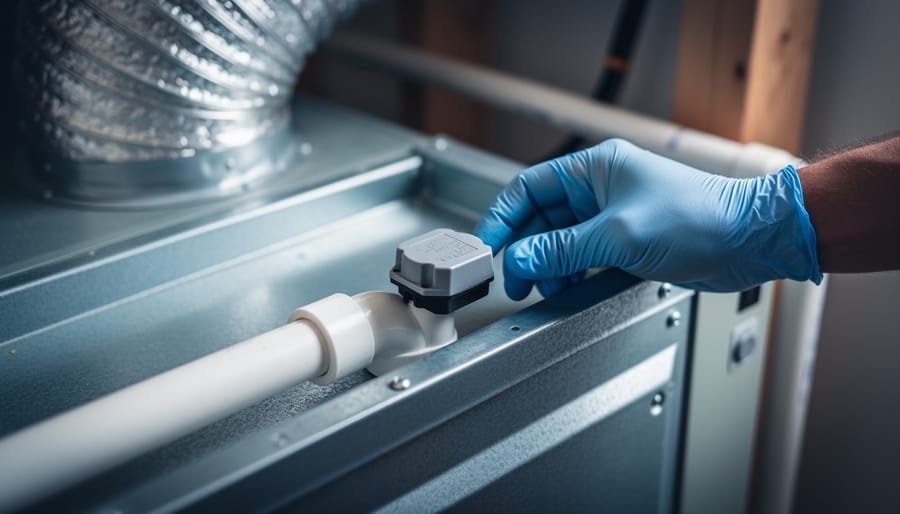
Your HVAC systems also need bonding protection. Those metal ducts snaking through your attic and basement, along with the air conditioning unit sitting outside, all require proper electrical bonding. Even the metal framework supporting your heating and cooling equipment plays a role in this safety network.
Don’t forget about metal appliances with exposed surfaces, like your washing machine, dryer, or dishwasher. That metal railing on your deck or basement stairs? It might need bonding if it’s near electrical components. Even metal siding, window frames, and support beams can become part of the bonding system depending on their proximity to electrical sources.
The scope of bonding throughout your home is extensive, touching nearly every room and system. This interconnected safety web works silently behind the scenes, creating multiple paths for electrical current to safely reach the ground, protecting you and your family from hidden hazards.
Signs Your Home’s Bonding Protection Needs Attention
Your home’s electrical system is pretty good at keeping quiet when everything’s working smoothly, but when bonding protection starts to fail, it sends out warning signals you shouldn’t ignore. Think of these signs as your house’s way of waving a red flag, asking for attention before small issues become serious safety concerns.
One of the most alarming indicators is experiencing a tingling sensation or mild shock when you touch metal appliances, faucets, or fixtures. If your washing machine, refrigerator, or even your kitchen sink gives you a little zap, that’s your cue to investigate immediately. This sensation means electrical current is traveling where it shouldn’t, often because proper bonding has been compromised.
Keep an eye out for appliances that seem to malfunction more frequently than they should. If your dishwasher acts finicky, your water heater trips breakers regularly, or electronics behave erratically when plugged in near water sources, inadequate bonding could be the culprit. These issues happen because stray electrical currents are creating interference or finding unintended paths.
Visual inspection matters too. Check metal components around your home for unusual corrosion, particularly where different metal types meet or near grounding connections. Green or white crusty buildup on copper pipes, loose or disconnected bonding wires in your electrical panel, or rust around water heater connections all deserve professional evaluation.
If you’ve recently completed renovations that involved plumbing or electrical work, it’s worth having a licensed electrician verify your bonding connections remain intact. Construction projects sometimes inadvertently disrupt these critical safety pathways, leaving your home vulnerable without obvious immediate symptoms. When in doubt, getting a professional assessment brings invaluable peace of mind.
When to Call a Professional (And What They’ll Do)
Let’s be honest—electrical bonding isn’t exactly a weekend DIY project, and that’s perfectly okay! This is one area where calling in a licensed electrician isn’t just recommended, it’s essential for your family’s safety and your home’s code compliance.
Licensed electricians have the training to identify bonding issues that aren’t always visible to the untrained eye. They understand which metal components need bonding, where connections should be made, and how to properly size grounding conductors. More importantly, they know your local electrical codes inside and out, ensuring any work meets current safety standards.
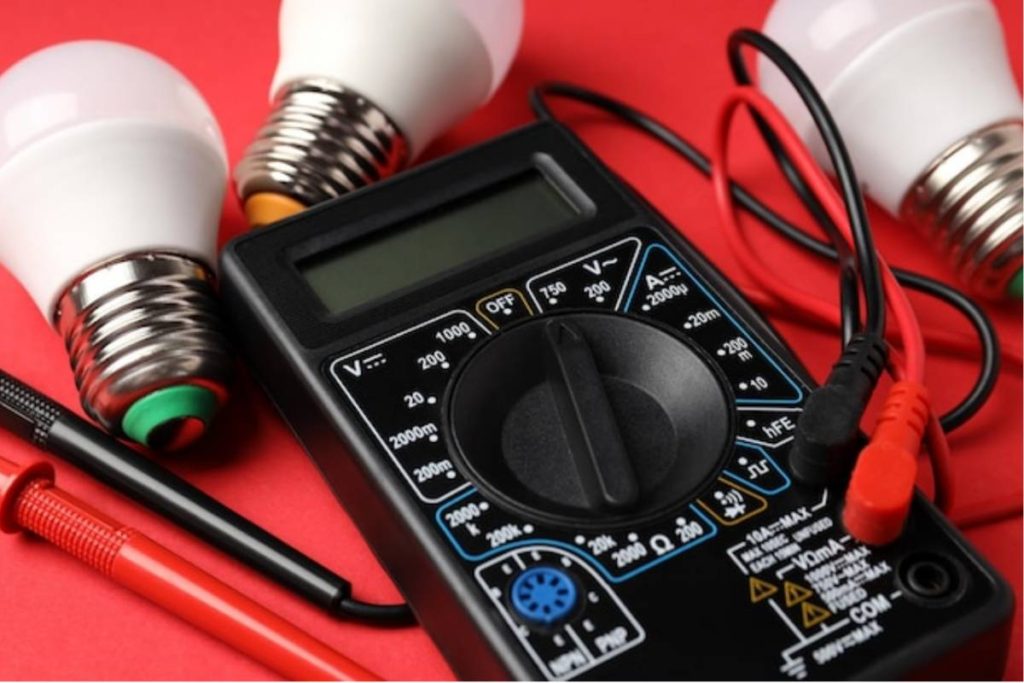
If you’re scheduling a bonding inspection or upgrade, here’s what to expect. Your electrician will examine your main service panel, water pipes, gas lines, HVAC systems, and other metallic components throughout your home. They’ll test connections with specialized equipment to verify proper continuity. If upgrades are needed, they’ll install bonding jumpers, update grounding electrodes, or add supplemental bonding connections where required.
Typical costs vary widely based on your home’s size and existing conditions. A basic inspection might run between 150 and 300 dollars, while bonding upgrades can range from 500 to 2,000 dollars depending on the scope of work needed.
When searching for a qualified professional, look for licensed, insured electricians with positive reviews. Don’t hesitate to ask important questions: How long have you been licensed? Have you worked on bonding issues in homes similar to mine? Can you provide references? Will you pull the necessary permits?
Remember, proper bonding protection is an investment in your home’s safety infrastructure. Finding the right professional ensures the job gets done correctly the first time, giving you lasting peace of mind.

Upgrading Older Homes: What You Need to Know
If your home was built before the 1960s, there’s a good chance it’s missing some crucial bonding protection. Back then, electrical codes were quite different, and many older homes simply weren’t wired with the comprehensive safety measures we rely on today. Think of it like discovering your vintage charmer doesn’t have modern insulation—it was fine for its time, but we know better now.
The good news? Tackling renovations gives you the perfect opportunity to upgrade your electrical safety. When you’re already opening up walls for that kitchen remodel or bathroom refresh, it’s the ideal time to have an electrician assess your bonding situation. They’ll check whether your metal plumbing, gas lines, and other conductive materials are properly connected to your electrical panel’s grounding system.
Here’s what to watch for: exposed metal pipes, ungrounded outlets (those two-prong ones), and electrical panels that look like they haven’t been touched since bell-bottoms were fashionable. These are all signs your home could benefit from bonding upgrades.
When planning home improvement projects, always budget for electrical system upgrades. While it might not be as exciting as choosing tile patterns, proper bonding protection is an investment in your family’s safety. Many homeowners find that addressing these issues during renovations costs less than doing them separately later, making it both a smart and practical choice for your beloved older home.
Bonding protection might be invisible, tucked away behind walls and beneath floors, but its role in keeping your home safe is absolutely critical. Think of it as your home’s quiet guardian, constantly working to prevent electrical shocks and fires without fanfare or recognition. While it’s not the most glamorous aspect of home improvement, understanding and maintaining proper bonding protection gives you something invaluable: true peace of mind.
If you’re uncertain about whether your home has adequate bonding protection, there’s no need to lose sleep over it. Schedule an electrical inspection with a licensed electrician who can assess your system and make recommendations. This small investment in professional expertise can prevent major headaches down the road and ensure your family’s safety.
Remember, creating a beautiful, functional home isn’t just about choosing the perfect paint colors or installing stunning light fixtures. It’s also about the foundational elements that protect everything you’ve worked so hard to build. With proper bonding protection in place, you can confidently enjoy your home improvements knowing you’ve taken care of what matters most.