Your home represents years of careful design choices, weekend projects, and financial investment—from that custom kitchen backsplash you spent months selecting to the garden you’ve nurtured season after season. Yet most homeowners spend more time planning their next renovation than preparing for events that could damage or destroy everything they’ve built.
The reality is straightforward: disasters happen, and they don’t discriminate between newly renovated spaces and older homes. Whether it’s a sudden flood that ruins your hardwood floors, a fire that spreads through your walls, severe weather that tears off your roof, or an extended power outage that threatens your home’s systems, being unprepared means watching your investment—and your hard work—disappear.
The good news? Preparation doesn’t require an emergency management degree or a massive budget. By understanding the four primary disaster types that threaten residential properties and taking practical preventive steps, you can protect both your physical space and your peace of mind. This isn’t about fear—it’s about empowerment.
Think of disaster planning as another home improvement project, except this one safeguards all the others. You’ve already invested countless hours researching paint colors and furniture layouts. Dedicating a fraction of that time to disaster preparedness ensures those carefully curated spaces survive whatever comes your way. The strategies ahead are manageable, actionable, and designed specifically for homeowners who care deeply about protecting what they’ve created.
Water Damage: The Silent Destroyer of Everything You’ve Carefully Designed

What Water Damage Really Means for Your Home
Water damage might sound straightforward, but it’s actually one of the trickiest disasters to plan for because it comes in so many forms. You could be dealing with a slow drip behind your bathroom wall that quietly ruins your beautiful tile work over months, or facing a burst pipe that floods your newly renovated basement in minutes. Maybe it’s storm water seeping through foundation cracks, affecting your ground-level storage areas and that custom mudroom you just finished.
The real challenge is that water finds its way everywhere. That gorgeous hardwood flooring you installed? It can warp and buckle. Your carefully curated furniture pieces? They can develop mold within 24-48 hours of exposure. Even minor leaks can compromise drywall, insulation, and paint, undoing months of your hard work.
Common water disasters range from leaking appliances (washing machines and water heaters are frequent culprits) to roof damage after heavy rain, overflowing gutters that damage siding, and yes, major flooding events. The key is understanding that whether it’s a trickle or a torrent, water damage compounds quickly and affects multiple systems in your home simultaneously—which makes early detection and having a solid response plan absolutely essential.
Protecting Your Investment Before Water Strikes
Water damage doesn’t always announce itself with dramatic flooding. Sometimes it creeps in slowly through a leaky pipe or arrives unexpectedly during a heavy storm. Either way, a little preparation now can save you thousands of dollars and countless headaches later.
Start by becoming best friends with your home’s water shutoff valves. The main shutoff valve is your emergency brake when disaster strikes, and every adult in your household should know exactly where it is and how to turn it off. Take it a step further by locating individual shutoff valves for toilets, sinks, and your washing machine. Trust me, when water is gushing onto your beautiful hardwood floors, fumbling around in the dark isn’t the time to learn.
Water alarms are your home’s smoke detectors for moisture. These inexpensive devices can alert you to leaks before they become catastrophes. Place them near water heaters, under sinks, in basements, and near washing machines. Some smart models even send alerts to your phone when you’re away from home.
If you’ve invested in stunning furniture pieces or custom cabinetry, consider elevating anything in flood-prone areas like basements. Even raising items a few inches off the floor can make the difference between damage and survival during minor flooding.
Don’t overlook the basics: clean your gutters twice yearly and ensure downspouts direct water at least five feet away from your foundation. For basements, apply waterproof sealant to walls and consider installing a sump pump if you don’t already have one.
Finally, assemble an emergency kit with flashlights, batteries, a battery-powered radio, important documents in waterproof bags, and basic tools. Store it somewhere accessible but away from potential water exposure. Being prepared isn’t pessimistic; it’s protecting everything you’ve worked hard to create.
Your Quick Response Checklist
When water starts pooling where it shouldn’t, every minute counts. First things first: stop the source if you can safely reach it—turn off the main water valve or move that overflowing appliance away from walls and furniture. Next, grab your phone and document everything with photos and videos before you touch anything. Insurance companies love evidence, and you’ll thank yourself later for those timestamped shots of your soaked hardwood floors or waterlogged cabinets.
Now for damage control: move your furniture and belongings to dry ground, especially those pieces you’ve refinished or custom-designed. Use towels and mops to soak up standing water quickly—the longer it sits, the more damage it causes to your beautiful flooring and baseboards. If you’ve got a wet-dry vacuum, this is its moment to shine. Don’t forget to point fans toward wet areas and crack open windows for airflow. Call your insurance company within 24 hours and keep all receipts for cleanup supplies and repairs. Your carefully curated home deserves this quick action.
Fire: When Seconds Determine What You Save
The Fire Hazards Hiding in Your Renovated Spaces
Your beautifully renovated spaces might be harboring invisible fire risks that deserve attention. That stunning kitchen remodel or cozy bedroom makeover could inadvertently introduce hazards if proper precautions weren’t taken during the transformation.
DIY electrical work tops the list of concerns. While installing that gorgeous pendant light yourself feels rewarding, faulty wiring behind the scenes can spark serious problems. Before tackling any electrical project, familiarize yourself with essential electrical safety measures to protect your home and family.
Heating systems require regular maintenance too. Space heaters near curtains, blocked vents, or outdated furnaces can quickly turn dangerous. Make sure your heating equipment has proper clearance from furniture and fabrics.
Don’t overlook outdoor renovations either. That Pinterest-worthy garden fire pit creates wonderful ambiance but needs careful placement away from overhanging branches, wooden fences, and your home’s exterior. Keep a fire extinguisher nearby and establish clear safety zones.
Storage areas also matter. Paint cans, solvents, and other renovation leftovers stored improperly in garages or sheds can become combustible. Designate a well-ventilated area for these materials, keeping them away from heat sources and properly sealed.

Building Your Fire Safety Foundation
Think of fire safety as the foundation of your home’s protective armor—it’s where disaster preparedness truly begins. The good news? Creating this foundation doesn’t require a complete renovation or expensive overhaul. With some strategic planning and smart investments, you can dramatically reduce fire risks while protecting everything you’ve worked so hard to create.
Start with smoke detectors on every level of your home, including inside bedrooms and near your kitchen. These little lifesavers need testing monthly (just press that button!) and fresh batteries twice yearly. Here’s a helpful trick: change them when you adjust your clocks for daylight saving time. Keep fire extinguishers in high-risk areas like your kitchen, garage, and workshop. Choose multi-purpose ABC-rated models that handle different fire types, and make sure everyone in your household knows how to use them.
Map out your escape routes next. Walk through your home and identify at least two exits from each room. Practice your evacuation plan with family members, especially if you have children or elderly relatives. Consider what happens if your main staircase becomes blocked—could you safely exit from a window? Installing escape ladders in upper-story bedrooms adds another layer of security.
Implementing comprehensive fire prevention strategies also means protecting your irreplaceable documents and memories. Invest in a fireproof safe for birth certificates, insurance policies, property deeds, and family photos. Modern options come in attractive designs that blend with your home décor.
Finally, maintain safe clearances around heating elements. Keep curtains, furniture, and decorative items at least three feet away from space heaters, fireplaces, and radiators. Store flammable materials away from your water heater and furnace. These simple spacing rules prevent most household fires before they start.
What to Grab When Every Second Counts
When creating an escape plan, consider what you’d truly regret losing forever. Start by making a prioritized list: irreplaceable family photos, important documents like insurance policies and deeds, medications, and sentimental heirlooms from that beautifully styled living room you’ve curated. Store these essentials in a waterproof, fireproof container near your primary exit.
Think about creating a “grab-and-go” station—perhaps a designated spot in your mudroom or entryway closet. Use clear plastic bins so you can quickly identify contents. Keep digital copies of crucial documents on a secure cloud service as backup. For valuable jewelry or small keepsakes, consider a portable lockbox that’s easy to carry.
Remember, material items can often be replaced, but family safety comes first. Your beautifully renovated home is important, but you are irreplaceable.
Severe Weather: Protecting Your Outdoor Oasis and Interior Haven

When Mother Nature Threatens Your Hard Work
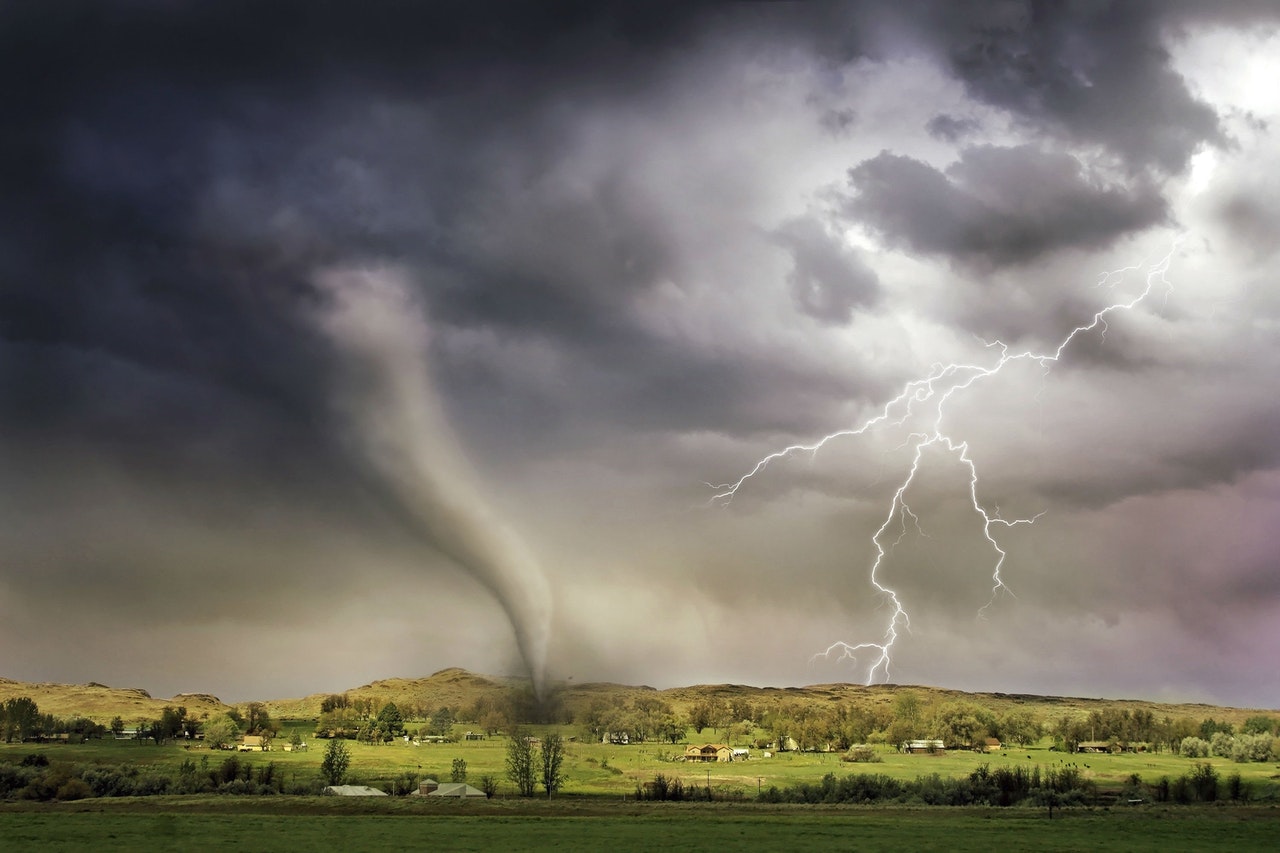
Mother Nature doesn’t care how many weekends you spent perfecting your backyard oasis or how much thought went into selecting the perfect patio furniture. Severe weather events can undo months of hard work in minutes, which is why understanding and preparing for them is essential.
Hurricanes and tornadoes pack devastating winds that can tear off roof shingles, shatter windows, and turn your carefully curated outdoor furniture into dangerous projectiles. If you live in a hurricane-prone area, investing in impact-resistant windows and knowing when to bring outdoor items inside can save you from costly replacements.
Flooding presents a different challenge entirely. Whether from heavy rainfall, storm surge, or overflowing rivers, water damage can destroy flooring, furniture, and everything you’ve stored in your basement or garage. That beautiful hardwood you refinished last summer? It’s particularly vulnerable without proper elevation and drainage planning.
Severe thunderstorms might seem less dramatic, but hail can pummel your garden, dent siding, and damage your roof, while lightning strikes can cause fires. Even strong winds during typical storms can topple trees onto your home or tear down that pergola you just finished building. The key is preparing before the forecast turns threatening.
Weatherproofing Your Indoor and Outdoor Spaces
When severe weather threatens, your preparation game plan can make all the difference between minor inconvenience and major damage. Think of weatherproofing as creating a protective shield around everything you’ve worked hard to build and beautify in your home.
Start with your first line of defense: windows and doors. Installing storm shutters or reinforcing existing windows with impact-resistant film gives you peace of mind during high winds. Weather stripping around doors might seem like a small detail, but it prevents water intrusion that can ruin floors and furnishings you’ve carefully selected. Consider upgrading to hurricane-rated garage doors if you live in storm-prone areas—they’re a worthwhile investment that protects your entire home’s structure.
Your outdoor spaces need attention too. Before storms arrive, secure or store patio furniture, grills, and decorative elements that could become dangerous projectiles. Those charming garden planters and bistro sets you love? Move them to your garage or shed, or anchor them securely. Take a walk around your property and identify tree branches hanging over your roof or power lines—trimming these potential hazards now prevents costly damage later.
Don’t overlook backup power solutions. A portable generator keeps essential appliances running during outages, protecting your refrigerated food and maintaining comfort. For smaller needs, battery-powered lanterns and phone chargers are budget-friendly essentials.
Protecting your landscape investments matters too. Cover delicate plants with burlap or move container gardens to sheltered locations. Mulching around beds helps retain moisture and provides insulation during temperature extremes.
Remember, protecting against natural disasters isn’t about living in fear—it’s about smart preparation that lets you weather any storm with confidence.
The Storm Supply Essentials Every Homeowner Needs
Having the right supplies on hand transforms storm preparation from stressful scrambling to confident readiness. Start with the basics: one gallon of water per person per day for at least three days, non-perishable foods that don’t require cooking, and a manual can opener. Keep multiple flashlights in easy-to-find spots rather than digging through drawers when the power cuts out. Battery-powered or hand-crank weather radios keep you connected to emergency updates, while extra batteries for everything should live in a waterproof container. Don’t forget items that maintain your home’s comfort during extended outages—portable phone chargers, battery-powered fans or space blankets depending on the season, and basic tools for minor repairs. A well-stocked first aid kit rounds out your essentials. Store everything together in a designated spot, and check expiration dates twice yearly when you change your smoke detector batteries.
Power Outages: When Your Smart Home Goes Dark
The Hidden Vulnerabilities in Your Modern Home
Think about all those beautiful upgrades you’ve added to your home over the years. That programmable thermostat keeping your energy bills low, the smart security system giving you peace of mind, even that sleek refrigerator preserving your fresh groceries. Here’s something worth considering: they all share one critical dependency that could leave you vulnerable during a disaster—electricity.
Modern homes rely on power in ways we barely notice until it’s gone. Your sump pump that prevents basement flooding? Electric. The garage door opener you use daily? Electric. Even your gas furnace needs electricity to run its blower and ignition system. When disaster strikes and the power goes out, these systems become essentially decorative.
The rise of smart home technology has made our living spaces incredibly convenient but also more vulnerable. Without power, your Wi-Fi-connected doorbell, automated lighting systems, and digital thermostats stop functioning completely. Many homeowners discover too late that their beautifully designed spaces depend entirely on that steady flow of electricity. Understanding these hidden weak points is your first step toward creating a truly resilient home that can weather any storm, keeping both your family and your investment protected when it matters most.

Creating Your Power-Independent Backup Plan
When the power grid goes down during a disaster, having a solid backup plan can mean the difference between comfort and chaos. Let’s explore practical solutions that’ll keep your household running smoothly, even when everything else is at a standstill.
Start with power generation options that match your needs and budget. A portable generator can keep essential appliances running, but you’ll want to store it properly in a dry, well-ventilated space like your garage. Calculate your power needs beforehand—you don’t need to run everything, just the critical systems like your refrigerator, a few lights, and maybe a space heater. Battery backup systems and solar panels with battery storage offer quieter, cleaner alternatives that require less hands-on management. If you’re handy with DIY projects, consider installing a transfer switch for safer generator use.
For shorter outages, battery-powered LED lanterns and rechargeable power stations can handle lighting and phone charging without the noise and fuel requirements of generators. Stock up on various battery sizes and keep them in a cool, dry place to extend their life.
Think creatively about manual alternatives for daily tasks. A manual can opener, camping stove, and hand-crank radio become invaluable tools when electricity fails. For food storage, coolers with ice packs can extend refrigeration, while a well-stocked pantry of non-perishables eliminates the refrigeration question altogether.
Temperature control deserves special attention. In winter, seal off unused rooms to concentrate heat, use thermal curtains you’ve installed during better times, and consider a propane heater with proper ventilation. Summer heat requires strategic window coverage, battery-powered fans, and knowing the coolest spots in your home. Fill bathtubs and containers with water before predicted outages—you’ll appreciate it for drinking, cooking, and sanitation. With these preparations in place, you’ll weather any power-related challenge with confidence.
Putting Your Disaster Plan Into Action
Your First Steps This Weekend
Ready to get started? You don’t need to tackle everything at once. This weekend, dedicate just an hour or two to laying your foundation for better preparedness—you’ll feel accomplished and more secure knowing you’ve begun.
Start by walking through your home with your phone, taking photos or video of each room. Capture your furniture, décor, renovations, and those special DIY projects you’ve completed. This visual inventory takes about 30 minutes and becomes invaluable for insurance claims if disaster strikes. Store these photos in cloud storage so they’re accessible even if your devices are damaged.
Next, designate a specific spot in your home as your emergency supply hub—a hall closet, pantry shelf, or garage corner works perfectly. Gather what you already have: flashlights, batteries, bottled water, and first-aid supplies. Don’t worry about completing everything now; just create your staging area.
Finally, bookmark reliable resources like emergency preparedness steps for guidance as you build your plan. These simple weekend tasks create momentum without overwhelming you, transforming disaster planning from an intimidating project into manageable, practical actions that protect your home and everything you’ve worked so hard to create.
The Quarterly Home Safety Check
Think of disaster preparedness like maintaining your garden—it works best when you give it regular attention rather than scrambling when storm clouds appear. Creating a simple quarterly check schedule helps keep your preparations fresh and your peace of mind intact.
Start each season by walking through your home with a checklist. In spring, refresh your emergency supply kit by checking expiration dates on food, water, and medications. Summer’s the perfect time to test your sump pump, inspect your roof for storm damage, and trim trees that could threaten your home during severe weather. When fall arrives, review your evacuation routes and update your family communication plan—phone numbers change, and kids get older. Winter invites you to test smoke detectors, review insurance coverage, and ensure your generator runs smoothly.
Make it enjoyable by pairing your safety check with something pleasant. Maybe that’s a seasonal deep clean or a family pizza night where everyone participates. Keep a simple binder with photos of your belongings for insurance purposes, updating it as you complete projects or acquire new furniture. This regular rhythm transforms disaster planning from an overwhelming mountain into manageable molehills, ensuring you’re always ready without the stress.
Your home is more than just a building—it’s where you’ve poured your creativity, energy, and resources into creating a space that truly reflects who you are. Whether it’s that kitchen backsplash you painstakingly installed or the garden you’ve nurtured from scratch, every element represents your investment in the life you’re building. Protecting these spaces from disasters isn’t about living in fear; it’s about taking smart, proactive steps that let you sleep soundly at night.
The beauty of disaster preparedness is that you’re already halfway there if you’re the DIY type. You’ve tackled projects, learned new skills, and solved problems around your home. Applying that same hands-on approach to emergency planning is just another project on your list—one that happens to be incredibly worthwhile.
Remember, preparedness isn’t a destination where you arrive and stop. It’s an ongoing journey of small improvements and regular check-ins. Start with one disaster type that’s most relevant to your area, create a basic plan, and build from there. Review your supplies seasonally, update your emergency contacts annually, and adjust your strategies as your home and family evolve.
You’ve worked hard to make your house a home. Taking these preparedness steps means you’re not just protecting walls and furniture—you’re safeguarding memories, comfort, and the future projects you’re already dreaming about. That’s empowerment worth pursuing.