Picture your home running smoothly through a blackout, powered not by the lithium batteries everyone talks about, but by something that’s been quietly solving energy problems for over a century: zinc. While most homeowners researching backup power solutions scroll past endless lithium-ion options, zinc energy storage is emerging as an intriguing alternative that deserves your attention—especially if you’re tired of sky-high battery prices and safety concerns.
Zinc batteries work through a beautifully simple chemical reaction. When you need power, zinc dissolves into an electrolyte solution, releasing electrons that flow through your home’s circuits. When you recharge, the process reverses, plating zinc back onto electrodes. No exotic materials, no thermal runaway risks, and no need to worry about your battery catching fire in the garage.
What makes zinc particularly appealing for homeowners is its durability and cost-effectiveness. These systems can cycle thousands of times without significant degradation, potentially outlasting their lithium counterparts while reducing energy costs over the long haul. The materials are abundant, recyclable, and significantly cheaper than the cobalt and nickel required for lithium batteries.
But here’s the honest truth: zinc technology isn’t perfect. It currently stores less energy per pound than lithium, meaning you’ll need more space for equivalent backup capacity. The real question is whether zinc’s advantages—safety, longevity, and affordability—outweigh its limitations for your specific situation.
What Makes Zinc Batteries Different (And Why That Matters for Your Home)
Think of your current smartphone or laptop battery. They rely on lithium-ion technology, which has powered our portable world for decades. Zinc batteries take a completely different approach, and that difference could be exactly what your home needs.
Here’s the simple version: lithium batteries create energy by shuttling lithium ions back and forth between two electrodes through a liquid electrolyte. It’s effective, but those materials are reactive and flammable, which is why you’ve probably heard stories about laptop batteries catching fire. Zinc batteries, on the other hand, use zinc metal paired with air or manganese oxide in a water-based solution. No exotic materials, no fire risk, just chemistry that’s been around since the 1800s but recently reimagined for modern energy storage.
What does this mean for your home? Let’s break down the practical differences.
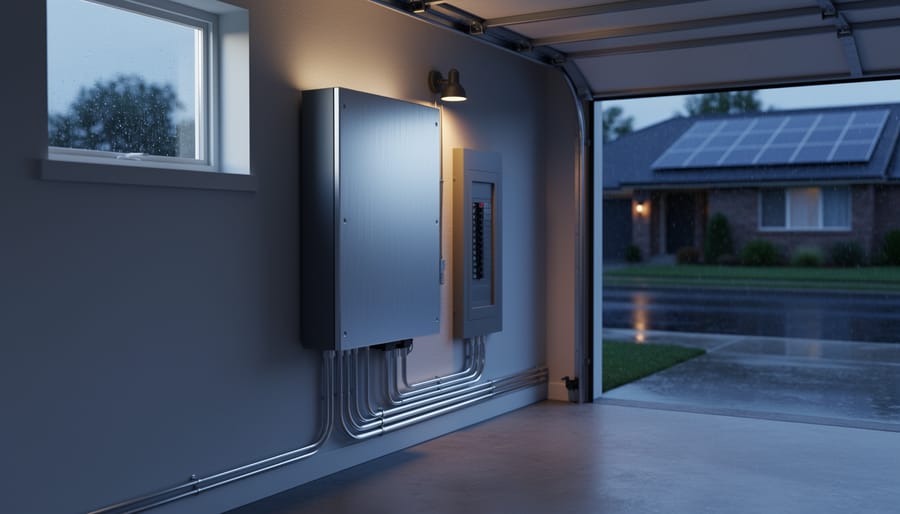
First, safety gets a massive upgrade. The water-based chemistry in zinc batteries means they won’t catch fire or explode, even if damaged. You could theoretically install them in your garage, basement, or utility closet without the same safety concerns that come with lithium systems. No special fire suppression systems needed, and many jurisdictions have simpler permitting requirements because of this inherent safety.
Second, temperature tolerance becomes less of a headache. While lithium batteries can be finicky in extreme heat or cold, requiring climate control in many installations, zinc batteries operate reliably across a wider temperature range. That uninsulated garage? Probably fine for a zinc system.
Third, the environmental story gets easier to tell. Zinc is abundant, recyclable, and doesn’t require controversial mining practices. When you’re thinking about the long-term impact of your home improvement choices, this matters.
The trade-off? Zinc batteries are typically larger and heavier than lithium for the same energy storage capacity. They also tend to have a lower energy density, meaning you’ll need more physical space. If you’ve got room in your garage or basement, this isn’t a dealbreaker. But if you’re working with tight quarters, it’s worth considering during your planning phase.
The technology is also newer to the residential market, which means fewer installation professionals have experience with it compared to the well-established lithium systems.
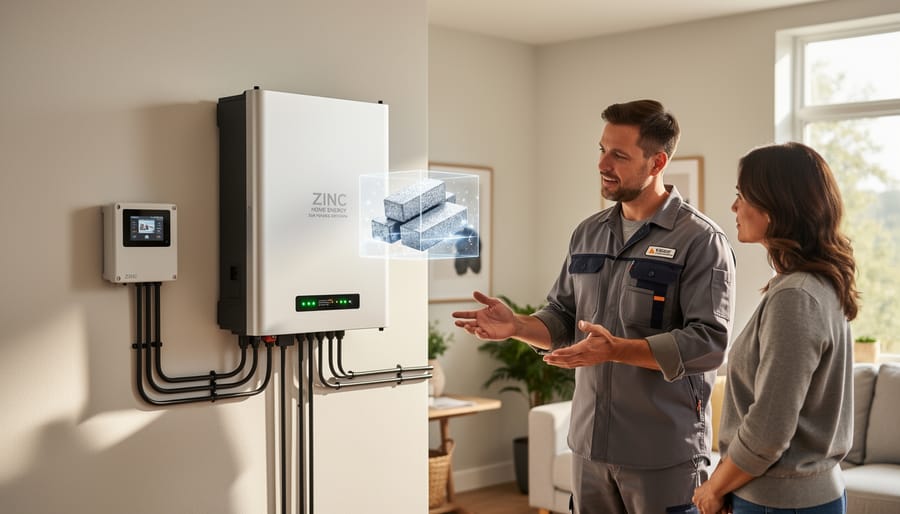
The Real-World Benefits That Make Zinc Worth Considering
Safety First: No Fire Risks in Your Garage or Basement
Here’s one of the most reassuring aspects of zinc energy storage: you won’t lose sleep worrying about fire hazards. Unlike lithium-ion batteries that can overheat and potentially catch fire, zinc-based systems are inherently non-flammable. This is a game-changer when it comes to installation flexibility.
Think about where you’d ideally place a home battery system. Your garage workshop? That unfinished basement corner? With zinc batteries, these spaces are all fair game. There’s no need to build special fireproof enclosures or keep your storage system away from other belongings. This non-flammable nature also means simpler installation processes and potentially fewer restrictions from local building codes, though you’ll still want to review electrical safety considerations with your installer.
For homeowners juggling tight spaces, this safety profile opens up creative installation possibilities. That awkward nook under the stairs? Perfect. The utility closet? Absolutely. You’re no longer constrained by the same strict clearance requirements that lithium batteries demand, giving you the freedom to integrate energy storage wherever it makes the most practical sense for your home’s layout and your family’s daily routines.
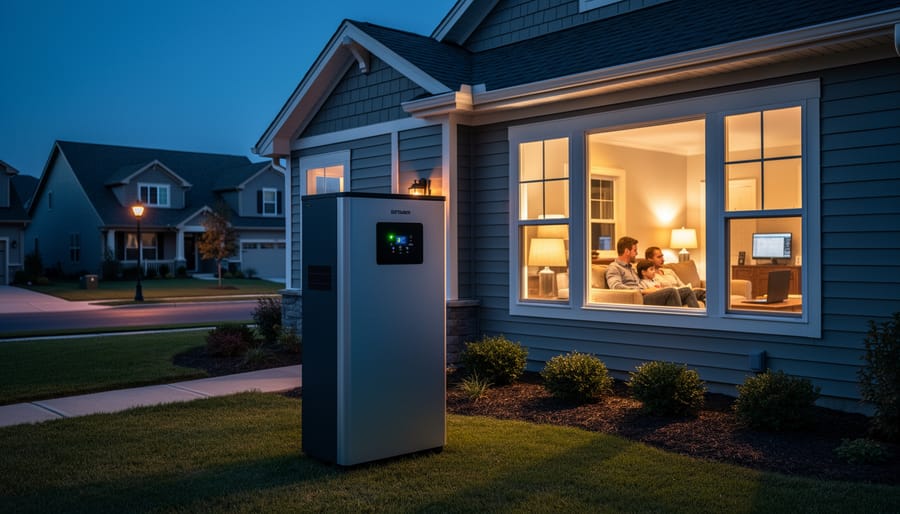
Longer Lifespan Means Fewer Replacements
One of zinc energy storage’s strongest selling points is its impressive longevity. While traditional lithium batteries typically handle 3,000 to 5,000 charge cycles before their capacity significantly degrades, zinc batteries can deliver upwards of 10,000 to 20,000 cycles depending on the specific chemistry. What does this mean for your wallet? Fewer replacements over the lifespan of your home energy system.
Think of it this way: if you’re cycling your battery daily to take advantage of lower utility bills through time-of-use pricing, a lithium system might need replacement in 8-10 years. A comparable zinc system could potentially last 20-30 years with the same usage pattern. That’s thousands of dollars saved on replacement costs alone, not to mention the hassle of installation and disposal.
Plus, zinc batteries maintain their capacity better over time, meaning you won’t experience that frustrating decline in performance that often plagues aging battery systems. Your investment continues delivering reliable backup power year after year, making zinc an economically smart choice for homeowners planning to stay put for the long haul.
The Eco-Friendly Choice for Conscious Homeowners
If you’re looking to make environmentally responsible choices for your home, zinc energy storage deserves a spot on your radar. Unlike some battery technologies that rely on rare earth metals or toxic materials, zinc batteries are remarkably earth-friendly. The zinc itself is one of the most recyclable materials on the planet—in fact, nearly 90% of zinc used in batteries can be recovered and reused, giving it a circular life cycle that just keeps giving back.
What really sets zinc apart is its non-toxic nature. There’s no risk of hazardous chemical leaks that could harm your family or the environment, making disposal and recycling much simpler and safer. Compare this to lithium batteries, which require specialized handling and can pose fire risks, and the choice becomes clearer for conscious homeowners.
The manufacturing process also leaves a lighter environmental footprint. Zinc is abundant and widely available, meaning less environmental disruption from mining operations. When you choose zinc energy storage, you’re essentially picking a technology that works hard for your home while treading lightly on the planet—a win-win that aligns perfectly with thoughtful, sustainable home improvements.
Where Zinc Batteries Fall Short (The Honest Truth)
Let’s have an honest conversation about where zinc batteries aren’t quite ready to steal the show just yet. If you’re considering zinc energy storage for your home, it’s important to set realistic expectations alongside all that exciting potential.
The biggest hurdle? Energy density. Think of it like packing for a vacation—lithium batteries are those master packers who fit a week’s worth of outfits into a carry-on, while zinc needs a bit more suitcase space to store the same amount of energy. In practical terms, a zinc battery system might take up more room in your garage or utility area than a comparable lithium setup. If you’re working with limited space, this could influence your decision.
Right now, finding zinc battery systems for residential use isn’t as straightforward as ordering a mainstream lithium option. The technology is still emerging from the lab and scaling up to widespread commercial availability. You won’t find zinc batteries at every home improvement store or through every solar installer—at least not yet. This means you might need to do more homework, wait for specific manufacturers to expand distribution, or potentially pay premium pricing as an early adopter.
There’s also the reality that zinc energy storage is still proving itself in the real world. While the science is promising and pilot programs show great results, we don’t have decades of field data like we do with lead-acid or even lithium batteries. Performance in extreme temperatures, long-term degradation patterns, and real-world efficiency numbers are still being refined.
Here’s the encouraging part: these limitations are temporary growing pains rather than fundamental flaws. Technology evolves quickly, and what’s challenging today often becomes standard tomorrow. If zinc’s advantages align with your priorities and timeline, keeping an eye on this developing option makes perfect sense. Just know you’re exploring frontier territory rather than walking a well-worn path.
Is Zinc Energy Storage Right for Your Home?
Best-Fit Scenarios for Zinc Systems
Zinc energy storage systems shine in specific home scenarios where their unique strengths align perfectly with your needs. If you’ve got a spacious garage, basement, or outdoor utility area, you’re already ahead of the game. These systems typically require more room than compact lithium alternatives, but that extra space translates into impressive storage capacity for your household.
Safety-conscious homeowners will find zinc batteries particularly appealing. If the idea of thermal runaway or fire risks keeps you up at night, zinc’s water-based chemistry offers genuine peace of mind. This makes them especially suitable for homes with children, elderly family members, or anyone who prioritizes a worry-free backup power solution.
Long-term value seekers should pay close attention too. While the upfront investment might seem steeper, zinc systems often outlast their lithium counterparts significantly. Think 20-plus years of reliable service with minimal degradation. If you’re planning to stay in your home for the foreseeable future and want to avoid replacement costs down the road, zinc batteries reward your patience with exceptional durability.
Finally, environmentally motivated homeowners appreciate zinc’s recyclability and non-toxic materials. If creating a sustainable, low-impact home energy system aligns with your values, zinc technology offers a clear conscience alongside practical performance.
When Other Options Might Serve You Better
Let’s be real for a moment: zinc energy storage isn’t the perfect fit for every situation. If you need a compact system with the highest energy density possible, lithium batteries still take the crown. They pack more power into smaller spaces, which matters when you’re working with limited square footage or want something sleek and unobtrusive.
Similarly, if you live in an area with extreme temperature swings and your battery will be exposed to harsh conditions regularly, some lithium systems designed specifically for those environments might serve you better. Their performance in freezing temperatures has improved dramatically in recent years.
For homes requiring massive daily cycling or those completely off-grid with intensive energy demands, lithium’s higher efficiency can make a meaningful difference in your overall system cost and performance. The math sometimes just works out better, especially if you’re drawing heavily on stored power multiple times daily.
If cutting-edge smart home integration and sophisticated energy management features top your priority list, established lithium platforms currently offer more mature ecosystems with broader compatibility.
The key is matching the technology to your specific needs rather than chasing what’s newest. Consider your actual usage patterns, available space, budget, and what matters most in your home energy journey.
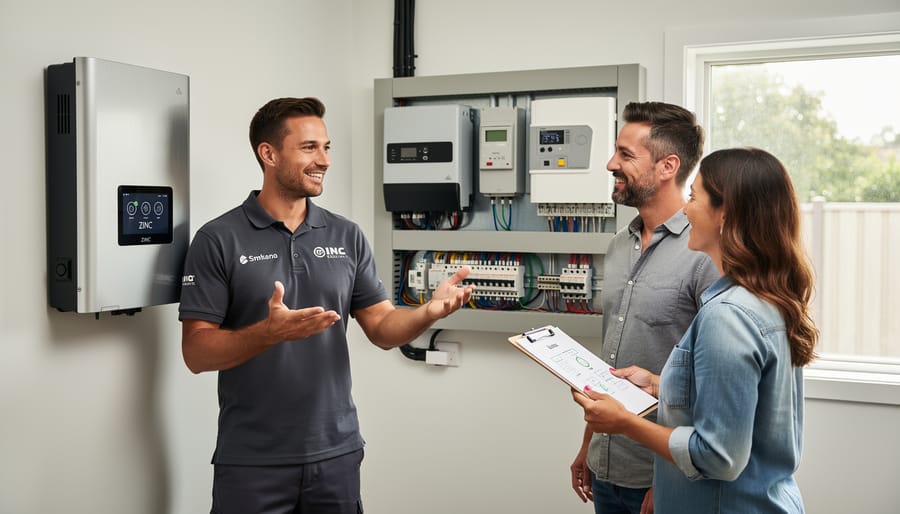
What to Know Before Installing a Zinc Battery System
Ready to take the plunge into zinc energy storage? Let’s walk through what you need to know before bringing this technology into your home. Think of this as your pre-installation checklist—the homework that’ll help you avoid surprises and make smart choices.
First up, let’s talk space. Zinc batteries typically need more room than their lithium cousins because of their chemistry. Picture something roughly the size of a large water heater or double-wide refrigerator. You’ll want a climate-controlled area like a garage or utility room, ideally with good ventilation and away from direct sunlight. Measure twice, install once, as they say! Consider access points too—these systems need clearance for maintenance and monitoring equipment.
If you’re pairing your zinc battery with solar panels (a popular combo), you’ll need an inverter that’s compatible with the system. The good news? Most modern zinc batteries work seamlessly with standard solar setups. However, confirm this compatibility upfront with your installer. Ask about any additional equipment needed and whether your existing electrical panel can handle the load.
Speaking of installers, working with certified professionals is non-negotiable here. While you might tackle weekend DIY projects like cabinet refacing, energy storage systems require licensed electricians familiar with local building codes and utility requirements. When interviewing potential installers, ask about their specific experience with zinc technology—not all battery pros have worked with these newer systems.
Here are essential questions to ask vendors before committing: What’s the total installed cost versus just the equipment price? How does the warranty stack up, and what does it actually cover? What happens if the company goes out of business? Can the system be expanded later if your energy needs grow? What maintenance will you actually need to perform?
Don’t forget about permits and inspections. Your installer should handle this paperwork, but verify it’s included in their quote. Some utilities offer incentives for home energy storage, so research what’s available in your area—these programs can significantly offset installation costs.
Finally, get everything in writing. Timeline expectations, warranty details, maintenance schedules, and performance guarantees should all be documented before work begins. This protects both you and ensures everyone’s on the same page for this exciting home upgrade.
Zinc energy storage represents an exciting frontier in home backup power—one that balances safety, sustainability, and practicality in ways that might perfectly align with your household’s unique needs. While it may not be the flashiest option on the market, this technology offers real advantages for homeowners who value eco-friendly solutions and long-term reliability over cutting-edge performance specs.
As you consider your path toward energy independence, take time to honestly evaluate your priorities. Do you need lightning-fast charging, or would you prefer a system that won’t catch fire? Are you willing to invest in home energy efficiency upgrades first to reduce your storage needs? These questions will guide you toward the right choice.
The future of residential energy storage is bright and diverse, with zinc technology positioned as a compelling alternative that deserves your attention. Start by reaching out to local installers who offer zinc battery options, request quotes from multiple providers, and don’t hesitate to ask detailed questions about warranty terms and real-world performance data. Your journey toward energy independence begins with informed curiosity—and zinc storage might just be the practical, safe solution your home has been waiting for.