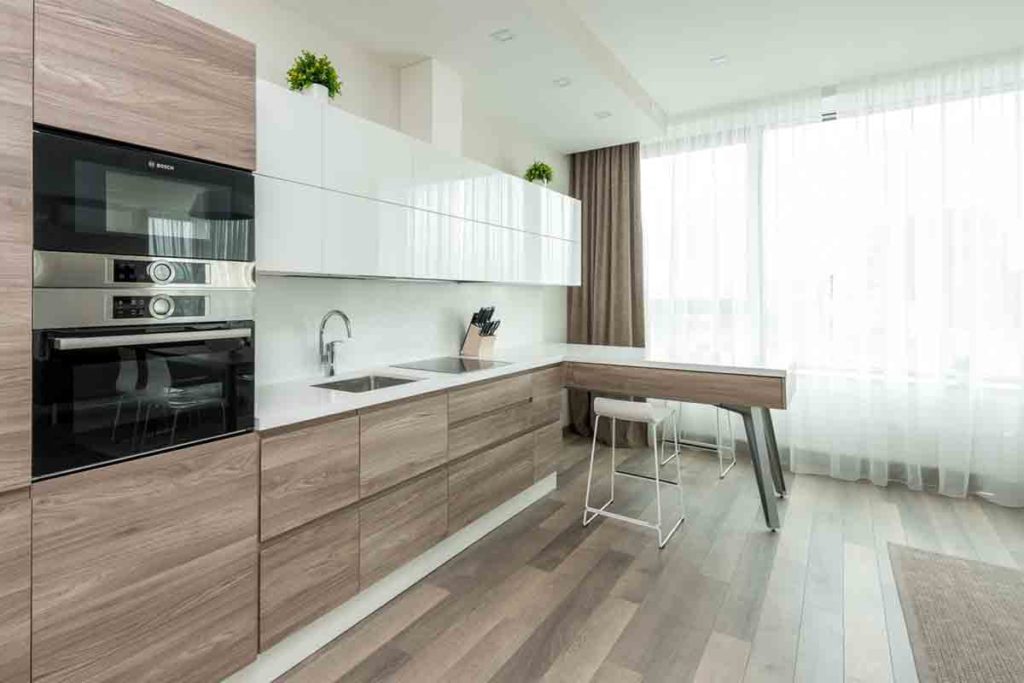
Every breath you take in your home matters, and your floors might be silently compromising the air you breathe. If you’ve noticed unexplained headaches, felt dizzy in certain rooms, or simply caught that distinct “new flooring” smell lingering for weeks, volatile organic compounds (VOCs) are likely the culprits—invisible chemicals that off-gas from conventional flooring materials and float through your indoor air for months or even years.
Zero-VOC flooring offers a genuine solution for health-conscious homeowners, but here’s what the flooring industry doesn’t always tell you: “zero VOC” doesn’t necessarily mean completely chemical-free, and not all marketed options deliver on their promises. The designation typically refers to the finish or adhesive used, not always the flooring material itself, which can leave you confused when choosing the right flooring for your family.
This matters especially if you’re renovating a nursery, managing asthma or allergies, or simply committed to creating a healthier living environment. Children, pets, and anyone spending significant time at home are most vulnerable to VOC exposure, making informed flooring decisions critical rather than optional.
In this guide, you’ll discover which flooring materials truly qualify as zero-VOC, learn to decode confusing certifications and labels, and get practical recommendations for beautiful floors that won’t compromise your indoor air quality. We’ll cut through the marketing hype and give you the real information you need to breathe easier—literally.
What Makes Flooring ‘Zero-VOC’ (And Why It Matters More Than You Think)

The Real Impact on Your Home’s Air Quality
Here’s the thing about traditional flooring: it doesn’t just sit there looking pretty. Many conventional options, from certain laminate planks to vinyl tiles and even some hardwood finishes, continuously release chemicals into your home’s air through a process called off-gassing. Think of it like a slow leak you can’t see, where volatile organic compounds (VOCs) gradually evaporate from the flooring materials and circulate throughout your living spaces.
These aren’t just abstract scientific concerns. Real people experience real symptoms from VOC exposure every day. You might notice headaches that seem worse at home, unexplained dizziness when you’re relaxing in your living room, or persistent irritation in your eyes and throat. Some homeowners develop respiratory issues or find their allergies mysteriously worsening after installing new floors. The connection between these symptoms and your flooring might not be immediately obvious, which makes understanding indoor air quality issues so important.
The most frustrating part? Off-gassing doesn’t stop after installation day. While that new floor smell might fade, many traditional flooring materials continue releasing VOCs for months or even years. This prolonged exposure is particularly concerning for children, elderly family members, or anyone with existing respiratory conditions who spend significant time indoors. Understanding this reality is your first step toward creating a healthier home environment.
Your Best Zero-VOC Flooring Options (What Works and What Doesn’t)
Solid Hardwood with Zero-VOC Finishes
If you love the timeless beauty of real wood but worry about indoor air quality, you’re in luck. Solid hardwood flooring paired with zero-VOC finishes gives you the best of both worlds—natural elegance without the chemical concerns. The secret lies in choosing unfinished hardwood planks and applying certified zero-VOC sealants and finishes yourself, or working with contractors who specialize in healthier alternatives.
Beyond the benefits of wood flooring like durability and character, zero-VOC finishes mean you can enjoy that gorgeous oak, maple, or walnut without the headache-inducing fumes. Modern water-based polyurethane and plant-based oils certified as zero-VOC perform beautifully, protecting your floors while keeping your air clean. They dry faster than traditional finishes too, so you can get back to enjoying your space sooner.
Aesthetically, nothing beats authentic hardwood. Each plank tells its own story through unique grain patterns and natural color variations. Durability-wise, properly finished hardwood can last generations with the right care—regular sweeping and occasional damp mopping keep it looking fresh.
The investment ranges from moderate to high depending on wood species and finish quality, typically running between eight and fifteen dollars per square foot installed. While that might seem steep compared to vinyl alternatives, remember you’re installing a floor that adds lasting value to your home. Plus, hardwood can be refinished multiple times throughout its life, making it a genuinely sustainable long-term choice that grows more beautiful with age.
Natural Cork and Bamboo Flooring
If you’re drawn to eco-friendly materials that naturally emit few to zero VOCs, cork and bamboo flooring deserve serious consideration. These sustainable superstars bring built-in health benefits without requiring chemical engineering or special certifications—they’re just naturally low in volatile organic compounds.
Cork flooring comes from the bark of cork oak trees, which regenerates without harming the tree. This renewable resource feels wonderfully soft underfoot, almost cushiony, making it perfect for spaces where you stand frequently like kitchens or home offices. Beyond comfort, cork naturally resists mold, mildew, and even pests, all while maintaining those low emissions you’re after. The visual appeal is distinctive too—think warm, organic patterns with a slightly mottled appearance that adds character to any room.
Bamboo offers similar sustainability credentials since it’s technically a fast-growing grass that reaches maturity in just three to five years. The finished product resembles traditional hardwood but comes in various grain patterns depending on how it’s processed. Strand-woven bamboo is particularly durable, holding up well in high-traffic areas and even some moisture-prone spaces.
Both materials work beautifully in living rooms, bedrooms, and dining areas where you want that natural aesthetic paired with healthier air quality. They do best in climate-controlled environments since extreme humidity changes can cause expansion or contraction. Installation is straightforward enough for confident DIYers, typically using floating floor methods or glue-down techniques. Just remember to choose adhesives and finishes that are also low-VOC to maintain that healthy indoor environment you’re creating.

Natural Linoleum (Not Vinyl)
Let’s clear up a common confusion: real linoleum and vinyl are completely different animals. If you grew up calling vinyl flooring “linoleum,” you’re not alone, but true linoleum is actually a natural wonder that deserves recognition as a genuinely low-VOC flooring option.
Authentic linoleum is made from linseed oil, cork dust, wood flour, tree resins, and natural pigments pressed onto a jute backing. It’s been around since the 1860s and contains zero petroleum products. Think of it as nature’s recipe for resilient flooring. The best part? Quality linoleum from manufacturers like Forbo Marmoleum is certified low-VOC and continues improving your air quality over time as it naturally oxidizes.
Now, here’s what might surprise you: this natural material is incredibly durable. We’re talking 25 to 40 years of lifespan with proper care. It’s naturally antimicrobial, biodegradable, and actually gets harder as it ages. Pretty impressive for something made from flax plants.
The design options have come a long way too. Gone are the days of institutional-looking green floors. Today’s linoleum comes in gorgeous marbled patterns, bold solids, and even wood-look planks. The color goes all the way through the material, so scratches become nearly invisible.
Linoleum is making a serious comeback because eco-conscious homeowners are rediscovering what our great-grandparents knew: sometimes the old ways really are better. Installation requires professional skills for sheet goods, though click-together tiles make it more DIY-friendly. Yes, it needs periodic sealing, but for a truly natural, durable, low-VOC floor, it’s worth considering.
Polished Concrete and Natural Stone
If you’re looking for flooring that naturally contains zero VOCs, polished concrete and natural stone are your champions. These materials don’t off-gas harmful chemicals because, well, they’re basically just glorified rocks. No synthetic additives, no chemical treatments needed in their raw form—just pure, honest materials straight from the earth.
Polished concrete has become incredibly trendy in modern homes, offering that sleek, industrial-chic vibe that works beautifully in open-concept spaces, kitchens, and basements. The polishing process creates a smooth, reflective surface that’s surprisingly warm and inviting. Natural stone options like slate, travertine, or marble bring timeless elegance and unique character since no two pieces are exactly alike. These work wonderfully in entryways, bathrooms, and kitchens where their durability really shines.
The practical side? Both options are incredibly durable and easy to maintain with regular sweeping and damp mopping. They also provide excellent thermal mass, meaning they stay cool in summer and can absorb heat from radiant flooring systems in winter. However, comfort matters—these surfaces are hard underfoot, so consider adding area rugs in spaces where you stand frequently.
Here’s the catch: while the materials themselves contain zero VOCs, many homeowners choose to seal these floors for stain protection and easier maintenance. Once you add sealers, you’re potentially introducing VOCs back into the equation. The good news? Low-VOC and even zero-VOC sealers are available, though they might need more frequent reapplication. For truly emission-free flooring, you can skip the sealer entirely in low-traffic areas, letting these natural beauties shine in their purest form.
Choosing the Right Zero-VOC Finish (The Part Most People Get Wrong)

What to Look for on Product Labels
Shopping for zero-VOC flooring can feel like navigating a maze of buzzwords and certificates, but knowing what to look for makes all the difference. Think of product labels as your trusty roadmap to healthier indoor air.
Start by seeking out recognized third-party certifications that actually mean something. GREENGUARD Gold certification is the gold standard—it tests for over 360 VOCs and chemicals, ensuring products meet strict limits for emissions. FloorScore is another heavy hitter specifically designed for flooring materials, certifying that products have been independently tested for compliance with indoor air quality standards. If you spot these badges on packaging, you’re on the right track.
Here’s where things get tricky: not all “low-VOC” claims are created equal. Some manufacturers use creative wording like “eco-friendly” or “green” without backing it up with actual testing. Always look for specific emission levels listed in grams per liter, and verify that claims come with certification numbers you can trace back to the certifying organization.
Watch out for red flags that scream misleading marketing. Vague phrases like “made with natural ingredients” don’t guarantee zero emissions. If a product boasts being VOC-free but lacks any third-party verification, approach with healthy skepticism. Also be wary of certifications from unknown organizations—stick with established names you can research.
Pro tip: Don’t just check the flooring itself. Adhesives, underlayments, and finishes also contribute to indoor air quality, so verify that your entire flooring system meets low-emission standards. Taking this extra step ensures you’re not accidentally introducing VOCs through the back door of your beautiful new floors.
Making It Work in Your Home: Practical Installation Tips
Getting your zero-VOC flooring installed correctly makes all the difference between immediately enjoying your healthy new space and dealing with unexpected delays. Let’s walk through what really matters when bringing your flooring vision to life.
Start by preparing your subfloor meticulously. Even the cleanest zero-VOC flooring can’t overcome moisture issues or uneven surfaces. Test for moisture levels, especially in basements or over concrete slabs, and address any problems before installation day. This prep work prevents future headaches and ensures your beautiful new floors last for decades.
When choosing an installer, don’t be shy about asking whether they have experience with low-emission materials. Some installers still reach for traditional adhesives or finishing products without thinking twice, which completely defeats the purpose of selecting zero-VOC flooring. Request that they use only low or zero-VOC installation products, and get it in writing. Professional installers who specialize in green building practices understand these requirements and can recommend compatible products that won’t compromise your indoor air quality goals.
Ventilation matters more than you might think, even with zero-VOC products. Open windows and use fans during installation to keep air circulating. This helps any minimal off-gassing dissipate quickly and keeps installation fumes from other necessary products moving out rather than settling in. Continue this practice for at least 48-72 hours after installation wraps up.
Here’s the timeline reality check: while zero-VOC flooring dramatically reduces off-gassing concerns, you should still plan for a brief adjustment period. Most zero-VOC floors are safe to walk on within 24 hours, but furniture placement often requires waiting 48-72 hours depending on the product type. For floating floors like luxury vinyl or laminate, you can often move furniture in sooner. Glued installations need more patience as adhesives cure completely.
The good news? Unlike traditional flooring that might require weeks of ventilation before it feels comfortable, your zero-VOC choice means you can typically settle in within days, breathing easier knowing you’ve made a healthier choice for your home.
Is Zero-VOC Flooring Worth the Investment?
Let’s talk numbers and real-world value, because you deserve the full picture before making this investment. Zero-VOC flooring typically costs 10-30% more than conventional options upfront, which might give you pause. But here’s where it gets interesting.
Think about the long game. Traditional flooring releases VOCs for months or even years after installation, potentially affecting your family’s health daily. Zero-VOC options eliminate this concern from day one, meaning fewer headaches, respiratory issues, and that mysterious “new floor smell” that lingers uncomfortably. If anyone in your household has allergies, asthma, or chemical sensitivities, this investment pays dividends in quality of life that’s hard to quantify on a spreadsheet.
From a resale perspective, eco-friendly features increasingly attract buyers willing to pay premium prices. Today’s homebuyers often specifically search for healthier homes, and certified zero-VOC flooring becomes a genuine selling point. Plus, many zero-VOC options boast impressive flooring longevity and maintenance qualities, potentially saving you money on replacements down the road.
This investment makes most sense if you’re planning to stay in your home long-term, have young children or elderly family members, or anyone with health sensitivities. It’s also worthwhile in spaces where you spend considerable time like bedrooms, home offices, and living areas.
On the flip side, if you’re flipping a property quickly or installing temporary flooring in a rarely-used space, standard low-VOC options might suffice. The key is matching your investment to your specific situation and priorities. Your health and comfort deserve consideration alongside your budget.
Choosing zero-VOC flooring isn’t just a trendy buzzword—it’s a meaningful step toward protecting your family’s health and creating a home environment where everyone can breathe easier. The flooring beneath your feet impacts air quality more than most people realize, and making the switch to low or zero-VOC options means you’re reducing exposure to chemicals that can linger for months or even years after installation.
The good news? You don’t have to compromise on style, durability, or your budget to make this happen. Whether you’re drawn to the warmth of natural hardwood, the practicality of luxury vinyl, or the versatility of cork and bamboo, there’s a zero-VOC solution that fits your vision and lifestyle. These materials prove that sustainable choices can be just as beautiful and functional as traditional options.
As you plan your next flooring project, remember that indoor air quality deserves a spot on your priority list alongside color schemes and design trends. Your home should be a sanctuary, not a source of invisible pollutants. By choosing zero-VOC flooring and following proper installation practices, you’re investing in both immediate comfort and long-term wellness—a decision your future self will thank you for making.