
Schedule your furnace inspection now, before the first cold snap leaves you scrambling for an available technician. The smartest homeowners know that October is the sweet spot—early enough to beat the rush, late enough that your system won’t sit idle for months.
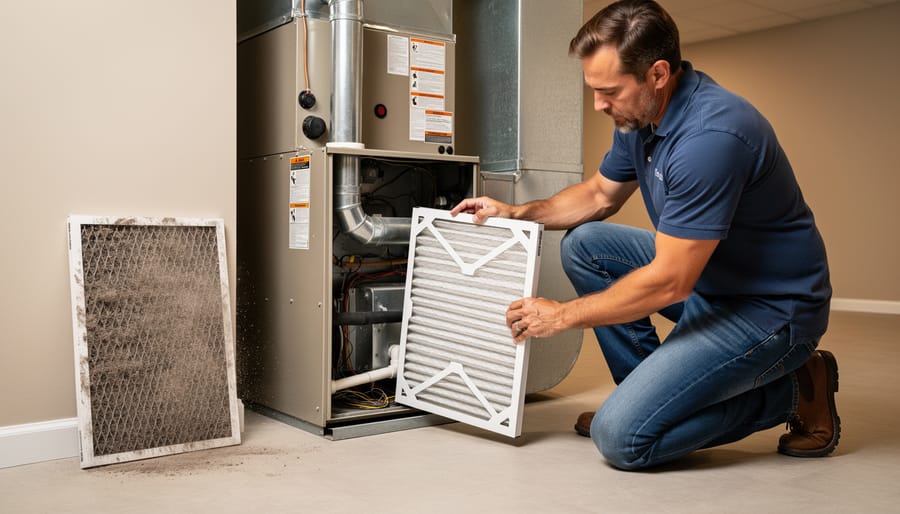
Start with the filter, your furnace’s first line of defense against dust and debris that can choke efficiency and spike your energy bills. Replace disposable filters or clean reusable ones every 1-3 months during heating season. This simple 5-minute task can improve airflow by up to 15% and prevent strain on your blower motor.
Clear the area around your furnace, removing storage boxes, paint cans, and holiday decorations that create fire hazards and block essential airflow. Your furnace needs at least 30 inches of clearance on all sides—think of it as giving your hardworking heating system room to breathe.
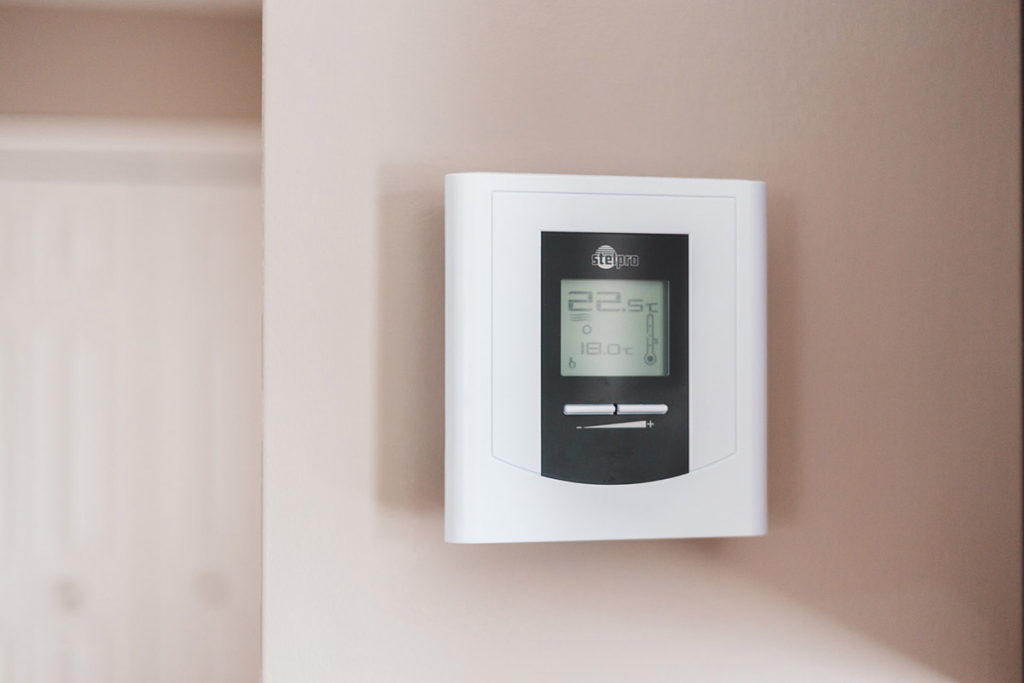
Test your thermostat by bumping the temperature up a few degrees and listening for the system to kick on within minutes. If you’re still using an old dial thermostat, upgrading to a programmable model pays for itself within a year through reduced energy costs and consistent comfort.
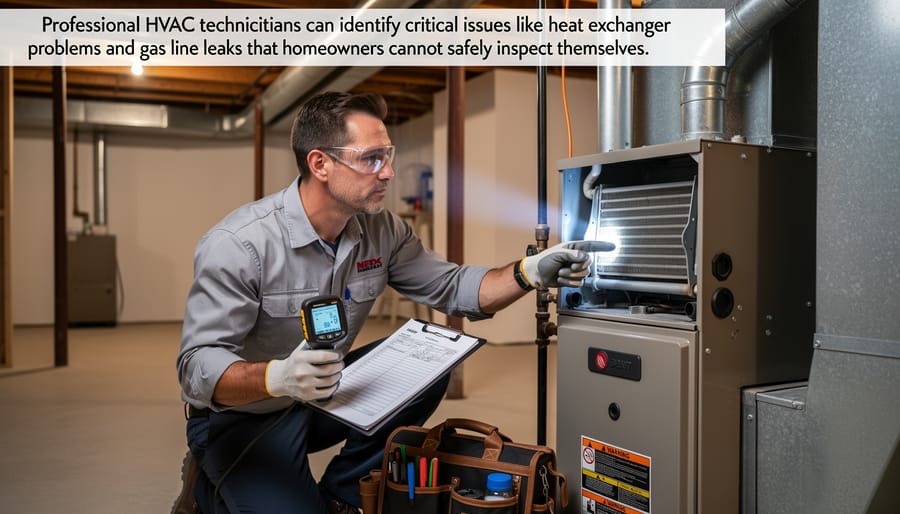
Know when to call the professionals. While you can handle filters and basic cleaning, a certified technician should inspect heat exchangers for cracks, test carbon monoxide levels, and calibrate gas pressure annually. This investment prevents mid-winter breakdowns that cost three times more in emergency repairs.
The Real Cost of Skipping Fall Furnace Checks
Let’s talk about what happens when you skip that fall furnace checkup. Spoiler alert: it’s not pretty for your wallet or your comfort level.
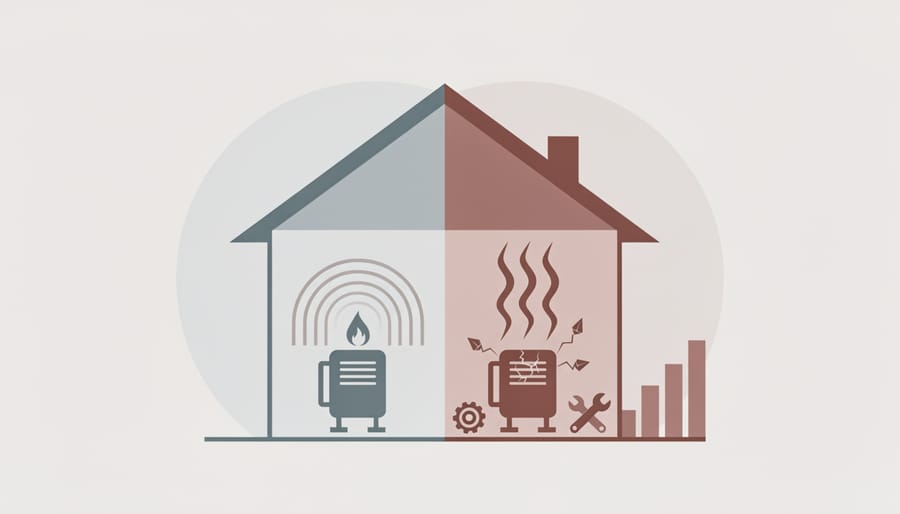
Picture this scenario: It’s the coldest night of January, everyone’s bundled up under blankets, and suddenly your furnace decides to call it quits. Now you’re facing emergency repair costs that can easily run $500 to $1,500, or even higher if parts need ordering. Emergency service calls typically cost double or triple the regular rates because, well, that’s when HVAC technicians are busiest and you’re desperate for heat.
Beyond the immediate repair crisis, neglected furnaces work harder and less efficiently. When filters are clogged, burners are dirty, and components haven’t been inspected, your system burns more fuel to produce the same amount of heat. Translation? Your energy bills can spike by 15 to 30 percent throughout winter. That’s money literally going up in smoke, month after month.
Then there’s the big one: complete system failure. A furnace that limps along without maintenance isn’t just inefficient; it’s living on borrowed time. When critical components fail, you might be looking at a full replacement costing $3,000 to $7,000 or more. Starting preparing for furnace repair before winter hits can help you avoid this nightmare scenario.
Compare these potential costs to a typical pre-winter maintenance visit running $100 to $200. During this checkup, technicians catch small issues before they become expensive problems, optimize efficiency to lower your bills, and extend your furnace’s lifespan significantly. Think of it as an insurance policy for your comfort and your budget. Skipping it might save you a few dollars today, but it could cost you hundreds or thousands tomorrow.
Your Pre-Winter Furnace Maintenance Checklist
Filter Replacement: Your Furnace’s First Line of Defense
Think of your furnace filter as a protective shield—it’s the unsung hero standing between your family and airborne dust, allergens, and debris. Before winter arrives, give this humble component the attention it deserves.
Start by locating your filter, typically found in the return air duct or blower compartment. Slide it out and hold it up to the light. If you can’t see through it clearly, it’s time for a replacement. Most filters need changing every 1-3 months during heavy use, though this varies based on pets, allergies, and household traffic.
When shopping for replacements, you’ll encounter different MERV ratings (Minimum Efficiency Reporting Value). For most homes, a MERV 8-11 filter strikes the perfect balance between air quality and airflow. Higher ratings trap smaller particles but may strain older systems, so check your furnace manual first.
Here’s a money-saving tip: buy filters in bulk and mark your calendar for regular replacements. Consider upgrading to pleated filters for better filtration than basic fiberglass options. Installing your new filter is straightforward—just match the arrows on the frame to the airflow direction indicated on your furnace. This simple ten-minute task can improve efficiency by up to 15 percent while keeping your system running smoothly all winter long.
Thermostat Testing and Calibration
Your thermostat is the command center for your entire heating system, so making sure it’s accurate is crucial for staying cozy this winter. Start by checking if your thermostat needs new batteries—a simple task that many homeowners forget until their heat mysteriously stops working on the coldest night of the year. If you have a battery-powered model, swap them out annually as preventive maintenance.
Next, test the accuracy by placing a reliable room thermometer next to your thermostat. Wait fifteen minutes, then compare readings. If there’s more than a degree or two difference, your thermostat might need recalibration or replacement. Also, gently remove the cover and use a soft brush or compressed air to clear away any dust that could interfere with sensors.
Finally, do a quick functionality check by adjusting the temperature up a few degrees and listening for your furnace to kick on. This confirms your thermostat and furnace are communicating properly. If your system doesn’t respond, it might be time to call a professional before winter arrives in full force.
Vents and Airflow Inspection
Proper airflow is the secret ingredient to a warm, cozy home this winter. Start your inspection by walking through each room with a simple checklist—locate all supply vents (the ones that blow warm air) and return vents (the larger grilles that pull air back to your furnace). Remove any furniture, curtains, or storage bins that might be blocking these openings. You’d be surprised how often a repositioned couch or holiday decoration box can sabotage your system’s efficiency.
Next, grab a vacuum with a hose attachment and gently clean dust and debris from the vent covers. For a deeper clean, unscrew the registers and wipe them down with warm soapy water. While they’re off, peek inside the ductwork with a flashlight—if you spot excessive dust buildup or notice musty odors, it might be time to consider professional duct cleaning. This simple twenty-minute task can improve airflow by up to 20 percent, helping your furnace work smarter rather than harder.
When to Call the Professionals
While there’s plenty you can tackle yourself, some furnace maintenance tasks are definitely best left to certified HVAC professionals. Think of it this way: you wouldn’t rewire your entire electrical panel without expertise, and your furnace deserves that same respect when it comes to safety-critical components.
Gas line inspections are non-negotiable professional territory. These experts have specialized equipment to detect even the tiniest gas leaks that could pose serious safety hazards. They’ll check all connections, valves, and the integrity of the lines leading to your furnace. Similarly, heat exchanger inspections require trained eyes and diagnostic tools. Cracks or corrosion in this component can allow deadly carbon monoxide to enter your living spaces, making this inspection absolutely essential.
Electrical component testing goes beyond what most homeowners can safely evaluate. Professionals will assess your furnace’s capacitors, transformers, and control boards, identifying issues before they cause complete system failure on the coldest night of the year. They’ll also verify that your thermostat is communicating properly with your heating system and check refrigerant levels if you have a heat pump.
Investing in regular HVAC tune-ups might seem like an added expense, but consider this: a typical service call costs significantly less than emergency repairs during peak winter months. Most HVAC professionals recommend scheduling your appointment in early fall when their calendars aren’t yet slammed, giving you better availability and often lower rates.
Warning Signs Your Furnace Needs Immediate Attention
Your furnace has been working hard for years, and just like any hardworking appliance, it’ll send out signals when something’s not quite right. Learning to recognize these warning signs now could save you from shivering through a cold snap or dealing with an emergency repair bill when you least expect it.
Let’s start with the soundtrack of trouble: strange noises. If your furnace suddenly sounds like it’s auditioning for a horror movie with banging, screeching, or grinding sounds, it’s trying to tell you something. These noises often indicate loose components, worn-out belts, or motor problems that need attention before they escalate into bigger issues.
Next up is the smell test. A little dusty odor when you first fire up your furnace for the season is normal, but anything beyond that deserves investigation. A persistent burning smell, metallic odors, or the rotten egg scent of gas are serious red flags. Never ignore unusual smells, especially if they smell like fuel or burning plastic.
Is your home playing hot and cold with you? Inconsistent heating where some rooms feel toasty while others remain chilly suggests your furnace is struggling to distribute heat properly. This could point to ductwork issues, thermostat problems, or a failing blower motor.
Keep an eye on your energy bills too. A sudden spike in heating costs without a corresponding increase in usage means your furnace is working overtime to maintain temperature. This inefficiency often signals that components are wearing out or the system needs professional maintenance to restore peak performance.
Understanding these common winter HVAC problems puts you ahead of the game. When you catch these warning signs early, you can schedule repairs on your timeline rather than waiting for an inconvenient breakdown during the coldest week of winter. Trust your instincts—if something seems off with your furnace, it probably is.
Creating a Comfortable Home Environment for Winter
While your furnace works hard to keep you cozy, it doesn’t have to shoulder the entire burden. Think of your home as a team player in the winter warmth game. By making a few strategic improvements, you’ll not only support your heating system but also create that inviting sanctuary we all crave when temperatures drop.
Start with the detective work—hunt down those sneaky drafts that let precious warm air escape. Weatherstripping around doors and windows is your first line of defense, and it’s surprisingly simple to install. Run your hand along door frames and window edges on a breezy day to identify problem spots. Adding or replacing weatherstripping costs just a few dollars per window or door but makes a noticeable difference in comfort while reducing heating costs.
Don’t overlook your windows themselves—they’re prime suspects for heat loss. Thermal curtains or cellular shades act like cozy blankets for your windows, trapping air and creating an insulating barrier. During sunny winter days, open south-facing curtains to harness free solar heating, then close them at dusk to lock warmth inside. It’s like giving your home a daily rhythm that works with nature.
Insulation inspection might sound tedious, but focus on the easy wins. Check your attic access door—many homeowners forget this spot loses significant heat. Adding foam board insulation to the back of the door takes less than an hour. While you’re up there, peek at your attic insulation depth. If you can see the floor joists, you probably need more.
Consider strategic supplemental heating for the spaces you use most. A cozy throw blanket and a small space heater in your reading nook means you can lower the whole-house thermostat a degree or two without sacrificing comfort. Heated floor mats in bathrooms add a touch of luxury while keeping those chilly morning routines pleasant.
Finally, embrace the layered approach. Area rugs over hardwood or tile floors provide insulation from below, plus they’re design opportunities that add warmth both literally and aesthetically. Reverse your ceiling fans to push warm air down from the ceiling—a simple switch flip that redistributes heat more effectively.
These complementary improvements transform your home into an efficient, comfortable winter haven where your furnace can operate at its best.
Taking the time to prepare your furnace before winter arrives isn’t just about checking a box on your home maintenance list—it’s about giving yourself genuine peace of mind. When temperatures drop and your family depends on reliable heat, you’ll rest easier knowing your system has been inspected, cleaned, and tuned up. There’s something incredibly satisfying about being proactive rather than reactive, especially when it means avoiding a frantic midnight call to a repair technician during the coldest week of the year.
The beauty of seasonal furnace maintenance is that the benefits compound over time. Each year you dedicate a few hours to these tasks, you’re extending your system’s lifespan, improving its efficiency, and catching small issues before they become expensive emergencies. Think of it as an investment that pays dividends in lower energy bills, fewer repairs, and consistent comfort throughout the heating season.
Don’t wait until that first frigid morning when your furnace struggles to keep up. Set aside time this weekend to tackle your pre-winter checklist, and you’ll thank yourself all season long. Your future self—and your wallet—will definitely appreciate the effort.