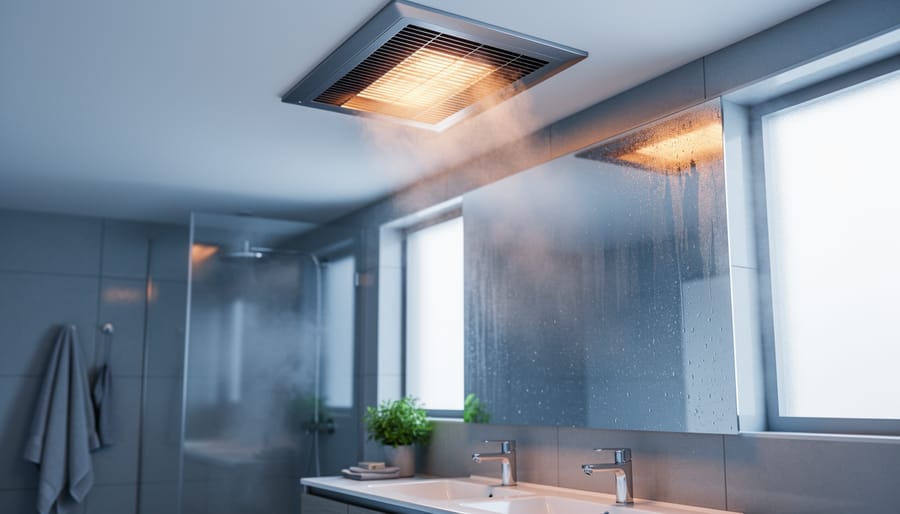
Step into your bathroom on a frigid winter morning and you’ll instantly understand why proper ventilation and heating matter. That cold, clammy feeling isn’t just uncomfortable—it’s a red flag for potential mold growth, moisture damage, and skyrocketing energy bills. A bathroom heating vent does double duty by warming your space while whisking away humidity, creating a healthier environment that protects both your family and your home’s structure.
Think of your bathroom heating vent as the unsung hero of your morning routine. Unlike standalone space heaters that just push warm air around, these integrated systems actively exhaust moisture-laden air while replacing it with comfortable warmth. This continuous air exchange prevents that persistent foggy mirror situation and stops condensation from settling into walls and ceilings where mold loves to thrive.
Whether you’re troubleshooting a wheezing old unit, planning a bathroom refresh, or building from scratch, understanding your bathroom heating solutions transforms this utilitarian fixture into a strategic upgrade. Modern heating vents range from basic combo units to whisper-quiet models with built-in lighting and smart sensors that adjust automatically to humidity levels.
The good news? Installing or maintaining these systems isn’t as intimidating as it sounds. With the right information about sizing, placement, and efficiency ratings, you’ll confidently choose a solution that keeps your bathroom cozy, dry, and healthy year-round while actually saving money on heating costs.
What Exactly Is a Bathroom Heating Vent (And Why It Does More Than You Think)
If you’ve ever stood shivering in your bathroom on a chilly morning, desperately waiting for the shower to warm up, you already understand the appeal of a bathroom heating vent. But here’s what makes these units genuinely clever: they’re not just heaters, and they’re not just exhaust fans. They’re both, working together in one streamlined fixture.
Think of a bathroom heating vent as your bathroom’s multitasking hero. The basic mechanics are refreshingly straightforward. These combo units contain a powerful fan that whisks away moisture and odors, just like a standard exhaust fan. But they also include a heating element, typically ceramic or metal coils, that warms the air as it circulates. Some models push heated air into the room while simultaneously venting stale air out, while others alternate between heating and ventilation modes.
Why has this two-in-one approach become such a bathroom staple? For starters, it’s a serious space-saver. Instead of installing separate units for heating and ventilation, which means more holes in your ceiling and more electrical work, you get both functions in a single fixture. This makes them particularly popular in smaller bathrooms where every inch of ceiling real estate matters.
The practical benefits extend beyond convenience, though. By combining heating with ventilation, these units help prevent the moisture buildup that leads to mold, mildew, and peeling paint. You can actually enjoy a toasty bathroom while effectively managing humidity levels. That’s something standalone space heaters simply can’t accomplish.
Modern versions have come a long way from the noisy, clunky models you might remember. Today’s bathroom heating vents operate surprisingly quietly, offer adjustable heat settings, and some even include built-in lighting. They’ve evolved into genuinely practical solutions that address multiple bathroom comfort challenges without requiring you to become an HVAC expert to understand them.

The Three Problems Hiding in Your Bathroom Heating Vent
Moisture Buildup That Feeds Mold Growth
Here’s the thing about bathrooms: they’re naturally humid spaces, and when you add heat without proper ventilation, you’re essentially creating a tropical paradise for mold and mildew. Think of it as an unwelcome science experiment happening right in your home.
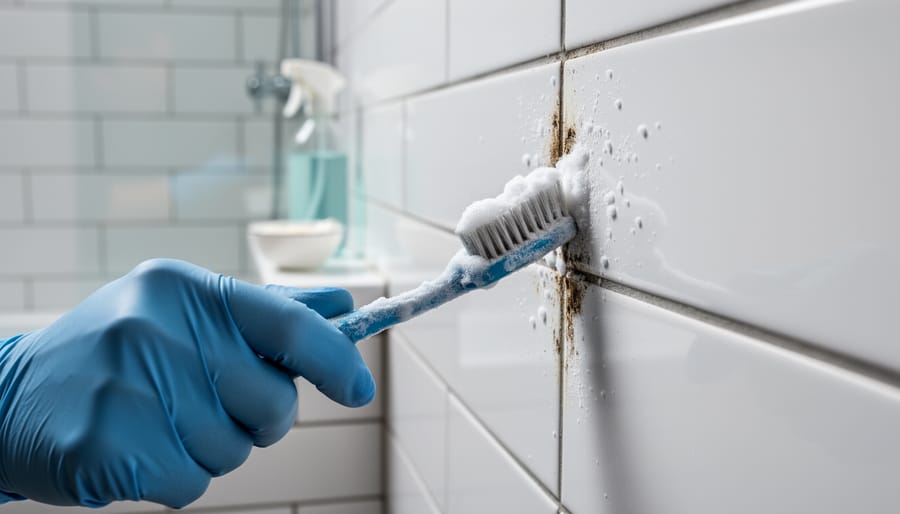
When your bathroom heating vent isn’t working efficiently, warm air gets trapped and mingles with moisture from showers, baths, and even hand washing. That steamy mirror that never seems to clear? That’s your first warning sign. If you notice condensation lingering on walls, windows, or fixtures long after someone’s showered, your ventilation system isn’t doing its job. The dampness settles into grout lines, ceiling corners, and behind towels, where mold spores love to set up camp.
You might spot early signs like a musty smell that greets you when you open the bathroom door, or those telltale black spots creeping along shower caulking and ceiling edges. Sometimes wallpaper starts peeling at the seams, or paint begins bubbling in suspicious patches. These aren’t just cosmetic issues, they’re red flags that your heating vent system needs attention.
Beyond maintaining a clean bathroom, addressing ventilation problems protects your home’s structure and your family’s respiratory health. A properly functioning bathroom heating vent pulls that moisture-laden air out before it can cause trouble, keeping surfaces dry and your space genuinely fresh. Don’t ignore those warning signs, they’re your bathroom asking for help.

Energy Waste from Poor Installation or Outdated Models
You might not realize it, but an outdated or poorly installed heating vent could be quietly inflating your energy bills month after month. When these units aren’t working efficiently, they’re essentially heating the space between your walls instead of warming your bathroom. Think of it like leaving a window cracked during winter—you’re paying to heat the great outdoors.
So how can you tell if yours is wasting energy? Start with a simple touch test. If the area around your vent feels warm or hot to the touch when it’s running, heat is escaping where it shouldn’t. Listen for rattling or whistling sounds, which often signal gaps or loose connections that let warm air leak out. Another red flag is uneven heating—if one side of your bathroom feels toasty while the other stays chilly, your vent isn’t distributing air properly.
Check your energy bills too. A sudden spike without any other explanation might point to your heating vent working overtime to compensate for inefficiency. Models from the 1990s or earlier typically lack modern insulation and energy-saving features, making them prime candidates for replacement. The good news? Upgrading to a properly installed, energy-efficient model can cut your bathroom heating costs by up to 30 percent while keeping you comfortably warm.
Noise and Air Quality Issues
You know that sound—the one that starts as a faint rattle during your morning shower and gradually becomes an annoying hum you can’t ignore? Your bathroom heating vent is trying to tell you something. These noises often signal accumulated dust on the fan blades, worn-out bearings, or loose mounting hardware that needs attention.
Beyond the soundtrack of rattles and buzzes, you might notice your bathroom feeling stuffier than usual or lingering moisture on the mirror long after your shower ends. Poor air circulation is a red flag that your vent isn’t pulling its weight anymore. Maybe the airflow feels weaker, or you’ve spotted condensation pooling where it shouldn’t. These aren’t just minor annoyances—they’re warning signs that could lead to mold growth and compromised air quality in one of your home’s most moisture-prone spaces.
The good news? Catching these issues early means you can often fix them with simple maintenance like cleaning the grilles or tightening connections. But if the problems persist despite your DIY efforts, it’s probably time to consider a replacement. Your bathroom deserves better than a wheezy, noisy vent that’s barely doing its job.
Choosing the Right Bathroom Heating Vent for Your Space
Sizing: Why Bigger Isn’t Always Better
Here’s the truth: cramming an oversized heating vent into your small powder room won’t make it toastier faster. It’ll just waste energy and money. Understanding CFM (cubic feet per minute) ratings is easier than you think, and it’s the key to finding your perfect match.
Start by measuring your bathroom’s square footage. For spaces up to 50 square feet, look for units rated between 50-70 CFM. Medium bathrooms (50-100 square feet) need 70-100 CFM, while larger master bathrooms over 100 square feet should aim for 100-150 CFM or higher. Think of CFM like a fan’s breathing capacity – it tells you how much air the unit can move and heat effectively.
The heating capacity, measured in watts, matters too. A good rule of thumb is 10 watts per square foot. So that 80-square-foot bathroom? Aim for an 800-watt heater minimum. Going bigger might seem tempting, but oversized units cycle on and off too frequently, creating temperature swings and potentially shortening the unit’s lifespan. Right-sizing means consistent warmth, better energy efficiency, and a bathroom that’s actually comfortable when you step out of the shower.
Key Features Worth Your Money
When shopping for a bathroom heating vent, focus on features that genuinely improve your daily comfort rather than flashy extras that inflate the price tag. A humidity sensor should be at the top of your must-have list. This smart feature automatically kicks on when moisture levels rise during your shower, preventing mold growth and protecting your bathroom from dampness-related damage without you having to remember to flip a switch.
Adjustable heat settings give you real control over your comfort. Look for units offering at least two heat levels, so you can dial down the warmth during milder months and crank it up when winter hits hard. This flexibility also helps manage your energy bills since you’re not constantly running at full blast.
Quiet operation matters more than you might think. There’s nothing worse than a rattling, whirring unit interrupting your peaceful morning routine. Quality models operate at 1.5 sones or lower, which is about as quiet as rustling leaves. You’ll barely notice it’s running.
Skip the fancy LED mood lighting or Bluetooth speakers some manufacturers tack on. These extras rarely justify their cost and add potential failure points. Instead, prioritize a reliable motor with a solid warranty, corrosion-resistant housing for longevity, and easy-to-clean grilles. Energy Star certification is another worthwhile feature that ensures efficiency without premium pricing. Your bathroom heating vent should work hard behind the scenes, not become another gadget demanding your attention.
Budget-Friendly vs. Premium Options
Budget units ($50-$100) typically combine basic heating with straightforward ventilation—perfect if you’re tackling a simple bathroom renovation and need reliable functionality without bells and whistles. These get the job done but may run louder and use more energy. Mid-range options ($100-$200) bring quieter motors, better energy efficiency, and often include humidity sensors that automatically activate when moisture levels rise. Premium models ($200-$400+) deliver whisper-quiet operation, LED lighting with adjustable settings, superior heating elements, and sleek designs that actually enhance your bathroom’s look. Consider your bathroom size and usage patterns—a guest bathroom might thrive with a budget pick, while your primary bathroom deserves the comfort and efficiency of a quality investment that pays dividends through lower energy bills and enhanced daily comfort.
Installing Your Bathroom Heating Vent: What You Need to Know
When DIY Makes Sense (And When to Call a Pro)
Let’s be honest—swapping out a bathroom heating vent isn’t rocket science, but it’s not always a straightforward weekend project either. If you’re replacing an existing unit with a similar model and your electrical box is already in place, this is totally within DIY territory. You’ll feel like a home improvement superhero when that new fan hums to life!
However, there are situations where calling in a professional is the smarter (and safer) choice. If your project requires running new electrical wiring, you’re dealing with code compliance and potential fire hazards. Most municipalities require permits for new electrical work, and unless you’re a licensed electrician, this isn’t the place to wing it. Similarly, if you need to install new ductwork or modify existing ducts to accommodate your vent, a pro can ensure proper ventilation flow and prevent costly mistakes.
Safety should always be your top priority. Working with electrical connections in a moisture-prone environment like a bathroom carries real risks. If you’re uncomfortable shutting off circuits, testing wires, or securing electrical boxes properly, there’s no shame in hiring help.
Consider the bigger picture too. If your vent installation is part of a larger bathroom remodel, coordinating with contractors might save you time and headaches. They can integrate the installation seamlessly with other upgrades.
Bottom line: Simple replacements are DIY-friendly, but new installations involving electrical or ductwork modifications deserve professional expertise.
Common Installation Mistakes That Cost You Later
Even the best bathroom heating vent can underperform if installation goes sideways. One of the biggest mistakes is routing ducts with too many bends and turns, which creates resistance and forces your fan to work harder while delivering less airflow. Think of it like drinking through a bendy straw versus a straight one—the path matters.
Another common pitfall is skimping on insulation around ductwork running through cold spaces like attics. Without proper insulation, warm moist air condenses inside the ducts, leading to dripping water, mold growth, and reduced efficiency. This isn’t just about comfort—it’s about protecting your home’s structure.
Improper venting to the outside ranks high on the mistake list too. Venting into your attic instead of outdoors might seem easier, but it dumps all that bathroom moisture where it can cause serious damage. Always ensure your vent terminates outside with a proper damper to prevent cold air backdrafts.
Finally, placing the vent in the wrong location—like directly over the shower instead of centrally positioned—creates dead zones where moisture lingers. Taking time to plan placement and follow manufacturer specifications saves you from headaches and costly fixes down the road.
Making Your Bathroom Heating Vent Work Harder for You
The Five-Minute Monthly Check
Let’s be honest—most of us don’t exactly pencil “bathroom vent maintenance” into our calendars. But here’s the good news: keeping your heating vent in top shape takes less time than brewing your morning coffee.
Set a recurring reminder for the first of each month, and tackle this simple routine. First, turn off the vent and let it cool completely. Remove the grille cover (most just lift off or have simple clips), and give it a quick wipe-down with a damp microfiber cloth to remove dust and grime. If it’s particularly grimy, a gentle dish soap solution works wonders.
While the grille is off, peek inside and check for obvious dust buildup or obstructions. A vacuum with a brush attachment can reach just inside to grab loose debris. Don’t go too deep—you’re just catching surface dust here, not performing surgery.
Before you replace the grille, turn the vent back on briefly to check that airflow feels strong and consistent. Weak airflow might signal it’s time for a deeper clean or filter replacement.
That’s it! Five minutes, once a month, and you’ll prevent 90% of common vent problems while keeping your bathroom healthier and more energy-efficient. Your future self will thank you when winter rolls around.

Smart Usage Habits That Cut Energy Costs
Getting the most from your bathroom heating vent doesn’t require complicated routines. Start by running it 5-10 minutes before your shower to take the chill off, then keep it going for about 20 minutes after to clear moisture and maintain warmth. Most units work best at medium settings rather than cranked to maximum, which just wastes energy without heating faster.
Here’s a money-saving trick: pair your vent with a programmable thermostat or timer so it warms the space before your morning routine without running all night. You can also boost efficiency by closing the bathroom door while heating to trap warmth, and adding a plush bath mat that insulates cold floors naturally.
During milder months, give your heating vent a break and crack a window instead. Your energy bill will thank you, and you’ll extend the life of your unit by reducing wear and tear.
Your bathroom heating vent is more than just another fixture on the ceiling—it’s your first line of defense against moisture damage, mold growth, and those dreaded cold winter mornings. When working properly, this hardworking appliance transforms your daily routine by maintaining healthy air quality, protecting your home’s structure, and creating the warm, inviting atmosphere you deserve.
Whether you’ve discovered your current vent isn’t performing up to par or you’re planning a bathroom upgrade, now’s the perfect time to take action. Start by inspecting your existing setup: listen for unusual noises, check for adequate airflow, and look for any signs of moisture buildup around the unit. If you’re noticing issues, don’t wait—addressing them promptly can prevent costly repairs down the road.
Remember, investing in a quality bathroom heating vent isn’t just about function; it’s about elevating your entire bathroom experience. You have the power to create a comfortable bathroom space that supports your wellbeing and protects your home investment. With the right knowledge and a bit of effort, you can enjoy a healthier, cozier bathroom for years to come.