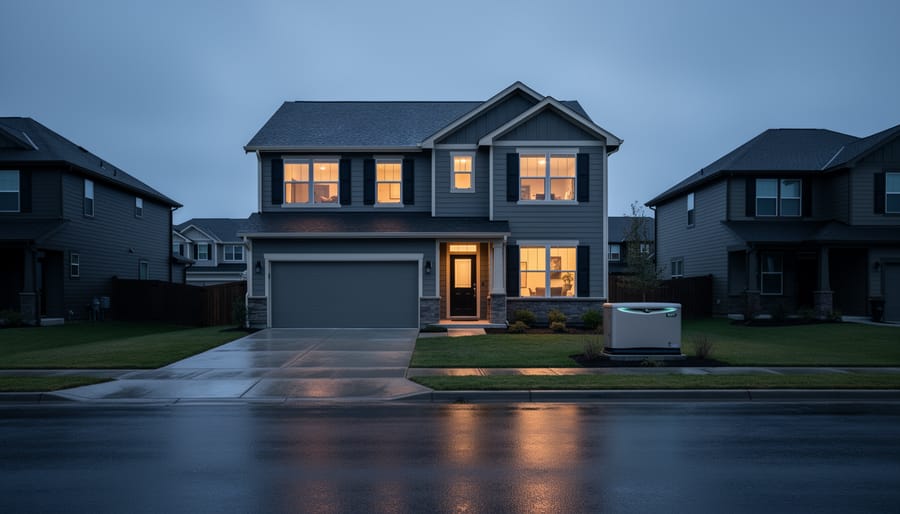
Picture this: the lights stay on during a power outage, your air conditioning hums along smoothly, and you’re drawing from your own stored energy instead of the grid. A 7 kWh battery makes this scenario possible for many households, but only if it matches your specific energy needs.
Think of a 7 kWh battery as your home’s energy safety net—not quite a whole-home backup solution, but a strategic resource that can power essential appliances for several hours or even days, depending on how you use it. This capacity sits in the sweet spot for homeowners who want reliable backup power without the premium price tag of larger systems. It’s roughly enough to run your refrigerator for 24 hours, keep a few lights on, charge devices, and maintain your home’s comfort during short outages.
Understanding whether 7 kWh fits your lifestyle comes down to simple math and honest assessment of your priorities. Are you looking to cover just the essentials during emergencies, or do you want to power your entire home? Do you experience frequent short outages or occasional extended ones? These questions determine if this battery capacity delivers real value or leaves you wanting more.
The beauty of home battery energy storage systems is their flexibility—you can scale up later if needed, but starting with a 7 kWh unit offers an accessible entry point into energy independence without overwhelming complexity or cost.
What Exactly Is a 7 kWh Battery?
Think of a 7 kWh battery like a big energy savings account for your home. Just as your smartphone has a battery measured in milliamp hours (mAh), your home battery is measured in kilowatt-hours (kWh). The difference? It’s thousands of times larger and designed to power your household essentials instead of just scrolling through apps.
So what does 7 kWh actually mean in real-world terms? Let’s break it down with everyday examples you can relate to. That 7 kWh of stored energy could keep your refrigerator running for about 35 hours straight, or power a modern LED-lit home for roughly 7 hours during an evening. If you’re working from home, it could keep your laptop, wifi router, and a couple of lights going for well over a day.
Here’s another way to picture it: imagine running your coffee maker every morning for about 70 days, or keeping five ceiling fans spinning through 28 summer nights. You could charge your smartphone approximately 700 times with that much energy, though we’re guessing you’d rather keep your fridge cold and your lights on during a power outage.
The beauty of a 7 kWh battery is that it sits in a sweet spot for many homeowners. It’s not trying to power your entire house indefinitely like those massive whole-home systems, but it’s definitely not just a glorified power bank either. Think of it as your home’s emergency fund for electricity, enough to cover the essentials during outages or help you save money by storing cheaper off-peak power for use during expensive peak hours. It’s practical capacity that makes sense for targeted energy independence without breaking the bank.

How Much Power Does 7 kWh Actually Give You?
During a Power Outage
When the lights go out, a 7 kWh battery becomes your household hero. Here’s what you can realistically expect to keep running during an outage, and trust me, it’s more reassuring than you might think.
Your refrigerator, which typically draws around 150-200 watts, can run for approximately 30-35 hours straight. That means your food stays fresh through extended outages without worry. Add in essential lighting throughout your home (using efficient LED bulbs at about 10 watts each), and you’re looking at days of illumination, not hours.
Staying connected matters too. Your WiFi router and modem combined use roughly 20-30 watts, so you can keep working from home or streaming entertainment for the entire outage duration. Phone charging? That’s practically negligible at 5-10 watts per device.
Here’s a practical scenario: running your fridge, five LED lights, WiFi, charging two phones, and a laptop simultaneously uses about 300 watts total. Your 7 kWh battery could sustain this essential setup for roughly 20-23 hours of continuous use. If you’re strategic and cycle appliances on and off, you can stretch that considerably longer.
The real comfort comes from knowing you’re not sitting in the dark, your food isn’t spoiling, and you’re still connected to the outside world when it matters most.

For Daily Energy Management
A 7 kWh battery becomes an absolute game-changer when you combine it with smart energy strategies. Think of it as your personal energy vault, storing power when it’s cheapest or most abundant, then releasing it exactly when you need it most.
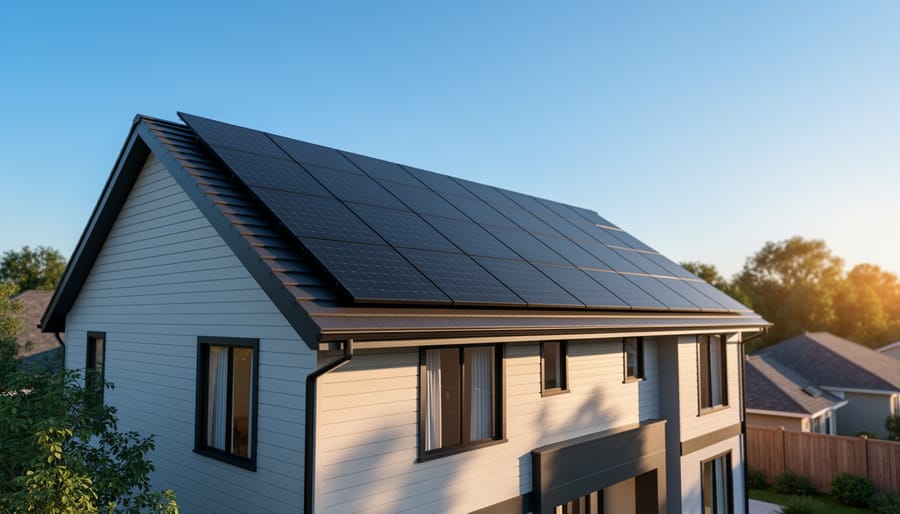
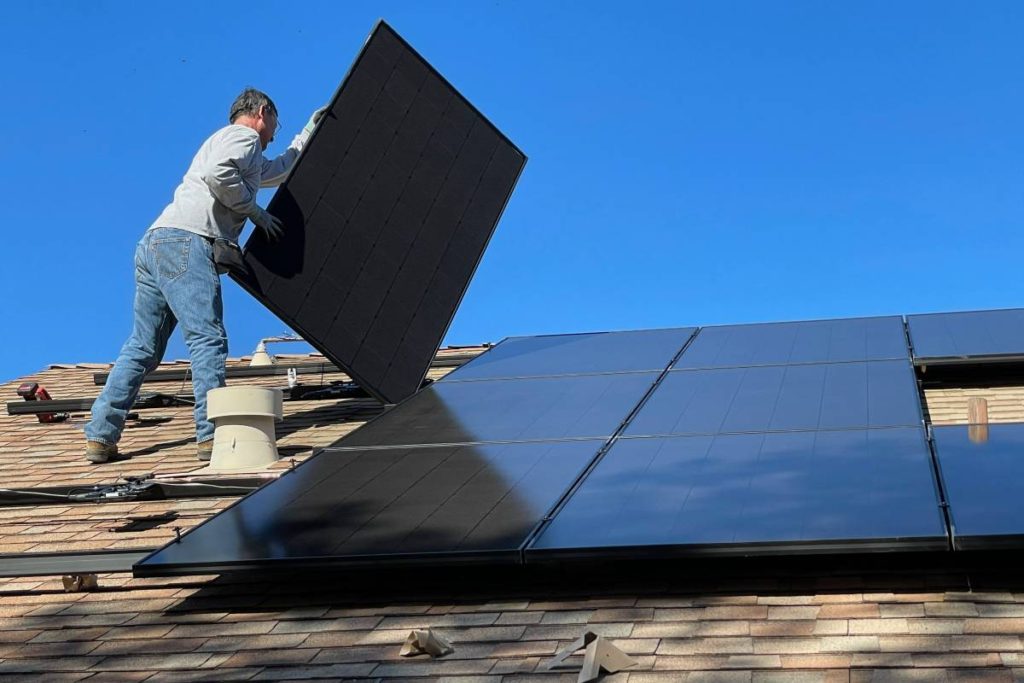
If you’re pairing with solar panels, this battery size can capture excess solar energy during those bright afternoon hours instead of sending it back to the grid. That stored sunshine then powers your evening routine—cooking dinner, running the dishwasher, streaming your favorite shows—without drawing from the utility company. It’s incredibly satisfying to know you’re running on your own harvested energy.
Even without solar panels, a 7 kWh battery helps you beat time-of-use electricity rates. Charge it overnight when rates dip low, then discharge during expensive peak hours. Many homeowners report saving 30-50% on their electricity bills with this simple shift. Plus, you’ll gain peace of mind knowing you have backup power during outages, keeping essentials running while your neighbors are in the dark.
Is 7 kWh Enough for Your Home?
When 7 kWh Is the Right Fit
A 7 kWh battery hits the sweet spot for quite a few homeowners who don’t need fortress-level backup power but want meaningful energy security. Think of it as your reliable sidekick rather than a superhero cape.
If you live in a smaller home or apartment, this capacity typically covers your essentials beautifully. We’re talking about keeping your refrigerator running, a few lights on, charging devices, and maintaining internet connectivity during outages. For many folks, that’s precisely what matters most when the grid goes down.
Budget-conscious homeowners often find 7 kWh batteries particularly attractive. You’re getting genuine backup capability without the sticker shock of larger systems. It’s a smart entry point into energy independence that won’t require taking out a second mortgage.
This size also shines when paired with solar panels as part of a home energy upgrade. The battery stores excess solar production during sunny days, letting you use that free energy after sunset instead of buying from the utility company. Over time, those savings really add up.
Renters with landlord approval or homeowners planning to downsize eventually appreciate the smaller footprint too. Installation is simpler, and if you move, portability becomes more manageable. It’s practical power storage that adapts to your lifestyle rather than demanding you adapt to it.

When You Might Need More
Let’s be honest: a 7 kWh battery won’t be the right fit for everyone, and that’s perfectly okay. If you’re living in a larger home over 2,500 square feet, you’ll probably find this capacity feels a bit tight, especially if you’re hoping for whole-home backup power during extended outages.
High electricity users should also take pause. If your monthly bills consistently run high because you’re running multiple refrigerators, a home office with lots of equipment, or you simply use a lot of power throughout the day, you might feel limited by 7 kWh. Think of it like choosing a compact car when you regularly haul lumber for projects.
The biggest consideration? Climate control. Running central air conditioning or electric heating from battery power drains capacity quickly. A single AC unit can consume 3-4 kWh per hour, meaning your battery could deplete in just a couple of hours. If keeping your whole house comfortable during outages is non-negotiable, you’ll want to explore 10-15 kWh systems or larger.
That said, many homeowners successfully manage these challenges by being strategic about what they power during outages or by adding a second battery later as budgets allow.
The Cost-Benefit Sweet Spot
Here’s the thing about 7 kWh batteries: they hit that Goldilocks zone where you’re getting real functionality without breaking the bank. Think of it like buying a refrigerator. You wouldn’t get a mini-fridge for a family of four, but you also don’t need a commercial walk-in cooler for your kitchen. A 7 kWh system offers that just-right capacity for many households.
From a dollars-and-cents perspective, these mid-sized batteries typically range from $5,000 to $9,000 installed, depending on your location and the specific model you choose. That’s notably more affordable than larger 10-13 kWh systems that can easily push past $12,000, yet you’re getting considerably more versatility than smaller 3-5 kWh options.
The real magic happens when you start calculating potential savings. If you’re in an area with time-of-use electricity rates, you could save anywhere from $50 to $150 monthly by charging your battery during off-peak hours and using that stored power during expensive peak times. Add in backup power during outages, and you’re looking at a payback period of roughly 7-10 years for most homeowners. Not an instant return, sure, but consider that quality battery systems typically last 10-15 years with warranties to match.
What makes 7 kWh particularly smart is that you’re not paying for capacity you’ll rarely use. Many homeowners find that anything beyond 7-8 kWh sits idle most days unless they’re completely off-grid or running a home business. You’re essentially avoiding the “buying features you don’t need” trap that’s so common in home upgrades.
The sweet spot also extends to installation. These systems are manageable for most electrical setups without requiring expensive panel upgrades or additional infrastructure that larger batteries might demand. It’s practical sizing that respects both your budget and your actual daily energy patterns, making it an approachable entry point into home energy storage without overcommitting financially.
Popular 7 kWh Battery Options Worth Considering
Ready to meet some standout battery systems that combine serious performance with home-friendly design? Let’s explore a few popular options that homeowners are actually installing and loving in real-world settings.
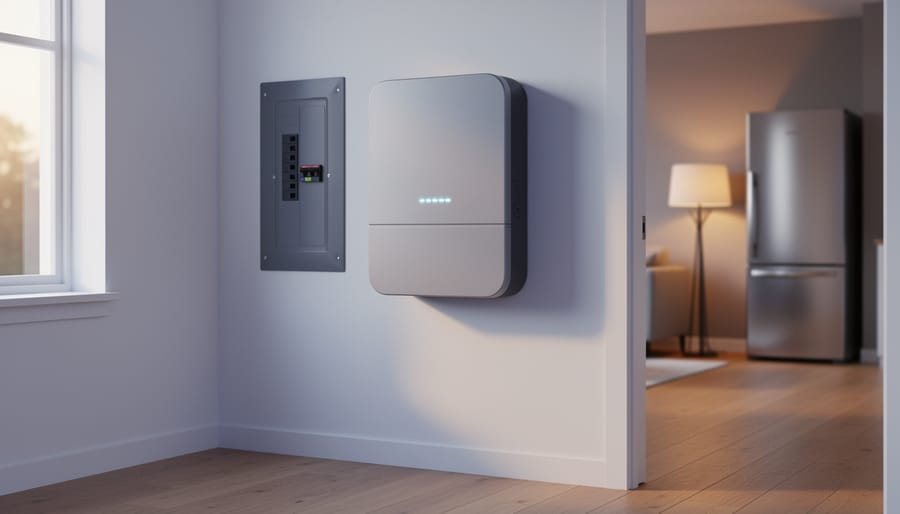
The Tesla Powerwall 2 remains a frontrunner in this capacity range, offering 13.5 kWh of total capacity with about 7 kWh readily accessible for daily use while reserving backup power. What makes it special? That sleek, minimalist design that looks surprisingly at home mounted on a garage wall or tucked beside your home. It’s become almost iconic in the battery world, and for good reason. The integrated inverter simplifies installation, and the companion app lets you monitor your energy flow in real-time, which honestly feels pretty empowering when you’re watching your stored sunshine power your evening routine. It’s a premium option, certainly, but one that’s proven itself reliable across thousands of installations.
For those seeking excellent value without sacrificing quality, the Enphase IQ Battery 3T deserves serious consideration. This modular system lets you start with one 3.3 kWh unit and expand as your needs grow, making it perfect if you want to test the waters before committing to a full 7 kWh setup. The compact design looks clean and professional, and because it works seamlessly with Enphase microinverters, it’s particularly attractive if you already have or plan to install an Enphase solar system. The scalability factor really shines here, giving you flexibility as your energy journey evolves.
The LG Chem RESU series also brings impressive credentials to your home. Available in various sizes clustered around the 7 kWh sweet spot, these batteries boast a compact footprint that works beautifully in tight spaces. LG’s reputation for quality electronics translates well into their battery division, and the contemporary design won’t make you cringe when visitors notice it.
Each of these systems brings something unique to the table while delivering that practical 7 kWh capacity range that works for so many homes.
Installation and Placement Considerations
Finding the perfect spot for your 7 kWh battery is easier than you might think, and with a little planning, you can integrate this modern technology seamlessly into your home’s design.
Most homeowners choose their garage as the primary location since it offers convenient access to your electrical panel and keeps the unit out of main living areas. Garages typically provide adequate ventilation and temperature control, which batteries appreciate. If your garage doubles as a workshop or hobby space, consider positioning the battery along a side wall where it won’t interfere with your projects but remains accessible for monitoring.
Basement installations work beautifully too, especially if you’re already working on finishing that space. The consistent temperature underground actually helps battery performance, and you can even build attractive cabinetry around the unit to create a custom look that matches your basement aesthetic. Think of it as functional furniture that happens to power your home.
For homes without basements or garages, exterior wall mounting offers a sleek solution. Many 7 kWh batteries feature weather-resistant enclosures designed specifically for outdoor installation. Choose a spot that’s protected from direct sun exposure and easily accessible for maintenance, perhaps alongside your home’s utility meters where it visually fits the context.
Space-wise, most units require roughly two to three feet of wall space and stand about four feet tall, similar to a small filing cabinet. You’ll need to maintain clearance around the battery for proper ventilation and servicing, typically around six inches on each side.
The creative opportunity here lies in viewing your battery as part of your home’s infrastructure rather than an eyesore to hide. Some homeowners embrace the tech-forward look, while others prefer subtle integration through strategic placement or decorative screening that complements their existing design scheme.
You’ve done the homework, crunched the numbers, and explored what a 7 kWh battery can really do for your home. Here’s the exciting part: this capacity hits a sweet spot for countless households looking to dip their toes into energy independence without going overboard. Whether you’re keeping essential appliances running during outages, maximizing your solar investment, or simply gaining peace of mind knowing backup power is ready when you need it, a 7 kWh system delivers practical, real-world benefits.
The beauty of this size is its flexibility. It’s powerful enough to make a genuine difference in your daily energy management yet approachable enough that you won’t need a second mortgage to get started. You now have the knowledge to evaluate your specific needs, compare options confidently, and make a choice that truly fits your lifestyle and budget. Take that next step with confidence, knowing you’re making a smart investment in your home’s energy future.