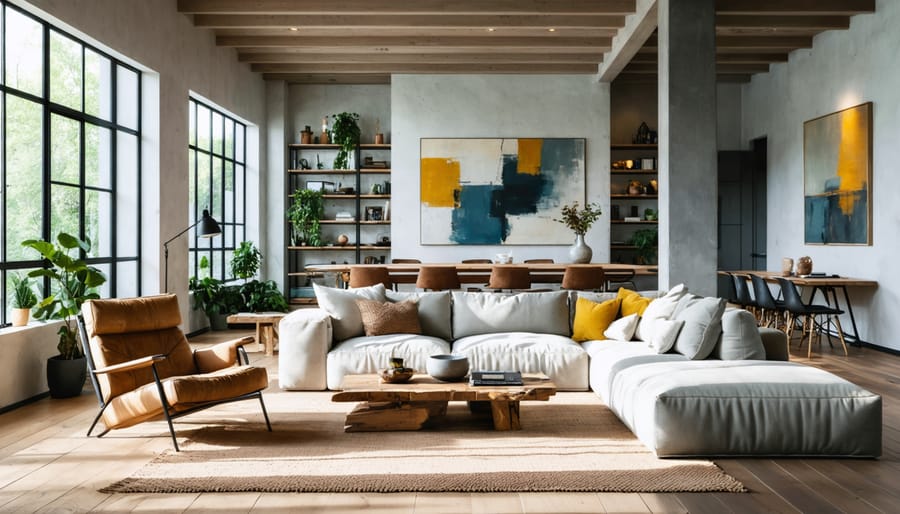

Transform your home into a sanctuary of balance and positive energy by understanding the five elements of Traditional Chinese Medicine: Wood, Fire, Earth, Metal, and Water. These ancient principles aren’t just philosophical concepts—they’re practical design tools that can revolutionize how your spaces look and feel.
Each element carries distinct characteristics that translate directly into color palettes, materials, shapes, and room arrangements. Wood brings growth and vitality through vertical lines and green tones. Fire ignites passion with reds, triangular shapes, and abundant lighting. Earth grounds your space with browns, yellows, and low horizontal furniture. Metal adds clarity through whites, grays, and circular forms. Water flows through your design with blues, blacks, and curved, undulating shapes.
The real magic happens when you learn to balance these elements within your rooms. A bedroom dominated by Fire element might feel too energizing for restful sleep, while a living room lacking Fire could feel dull and uninviting. Understanding which element supports or conflicts with another helps you create spaces that naturally feel “right.”
This guide breaks down each element into actionable design strategies you can implement today. You’ll discover specific furniture choices, material selections, color combinations, and room-by-room applications that bring these timeless principles into modern home design. Whether you’re planning a complete room makeover or simply want to rebalance an existing space, these five elements provide a proven framework for creating homes that nurture both body and spirit.
Wood: Bringing Growth and Vitality Into Your Space

Furniture and Material Choices
Bringing the Wood element into your home starts with thoughtful furniture selections that celebrate natural materials. Look for pieces crafted from solid wood like oak, walnut, or teak – these aren’t just beautiful, they create that grounded, organic energy Wood represents. A reclaimed wood dining table or live-edge coffee table makes a stunning focal point while connecting you to nature’s inherent beauty.
Consider incorporating bamboo accents throughout your space. This fast-growing, sustainable material embodies Wood’s upward growth energy perfectly. Bamboo blinds, floor mats, or even a sleek bamboo shelving unit add textural interest without overwhelming your design scheme. Plus, they’re surprisingly durable and easy to maintain.
Natural fiber textiles amplify the Wood element beautifully. Swap synthetic materials for cotton, linen, or jute wherever possible. A chunky jute rug anchors living spaces with earthy texture, while linen curtains soften windows with gentle, breathable elegance. Wicker baskets provide practical storage solutions that look effortlessly stylish.
Don’t forget smaller wooden accessories – picture frames, serving trays, or decorative bowls in various wood tones add layers of warmth. The key is choosing pieces that feel authentic and substantial rather than mass-produced. When you surround yourself with genuine natural materials, you’re creating spaces that truly nurture wellbeing.
Living Plants as Design Features
Bringing the Wood element into your home doesn’t have to mean turning your living room into a jungle—though we wouldn’t judge if you did! The key is finding plants that work with your lifestyle and space constraints.
For busy homeowners, start with low-maintenance champions like snake plants, pothos, or ZZ plants. These resilient beauties forgive occasional neglect while still bringing that essential life energy into your space. Position a statement fiddle leaf fig in an empty corner to create an instant focal point, or cluster smaller plants on floating shelves for visual interest without sacrificing floor space.
Vertical gardens are game-changers for those working with limited square footage. Wall-mounted planters or hanging installations transform blank walls into living art pieces while embodying the upward, growing nature of the Wood element. Think of them as functional sculptures that happen to clean your air too.
When adding indoor plants to rooms with minimal natural light, don’t let darkness defeat your green thumb dreams. LED grow lights provide an elegant solution, discreetly tucked into shelving or suspended above plant groupings.
Pro tip: Group plants in odd numbers—three or five work beautifully—and vary their heights for a more organic, collected-over-time appearance. Place moisture-loving ferns in bathrooms where humidity naturally supports them, and position succulents near sunny windows where they’ll thrive with minimal watering. This strategic placement means your plants practically care for themselves while anchoring the Wood element throughout your home.
Fire: Igniting Warmth and Passion in Your Home
Strategic Lighting Design
Lighting in traditional Chinese medicine represents the Fire element, and getting it right means creating layers that serve different purposes throughout your day. Think of lighting as your home’s mood ring—it should adapt to whether you’re hosting a dinner party or winding down with a book.
Start with ambient lighting as your foundation. This could be recessed ceiling lights or soft LED strips that provide overall illumination without harsh shadows. Consider installing dimmer switches—they’re an easy DIY upgrade that gives you instant control over your room’s energy level.
Next, add task lighting where you need focused brightness. Table lamps beside your reading chair or pendant lights over your kitchen island bring purposeful illumination to specific activities. Choose fixtures in warm metals like brass or copper to introduce that Metal element balance we talked about earlier.
Finally, accent lighting creates drama and warmth. String lights along shelves, install under-cabinet lighting in your kitchen, or embrace the timeless appeal of candles. Real candlelight brings authentic Fire energy into your space and creates an instantly cozy atmosphere for evening relaxation.
The key is having all three layers working together, so you can adjust based on the time of day and your needs. This flexible approach honors the natural rhythm of energy flow that traditional Chinese medicine celebrates.
Color and Texture Applications
Think of the Fire element as your home’s energy source – it brings warmth, passion, and vibrancy to your spaces. The key is incorporating this lively element through color and texture without turning your living room into an overpowering inferno.
Start with warm-toned textiles as your easiest entry point. Throw pillows in coral, terracotta, or deep burgundy can instantly activate Fire energy on a neutral sofa. Consider a rust-colored area rug to anchor your seating area, or drape a burnt orange throw blanket over your favorite reading chair. These pieces are simple to swap out if you want to adjust the energy later.
For those ready to make a bolder statement, an accent wall in warm hues works beautifully. Try a soft peachy tone in your bedroom for inviting warmth, or go deeper with a brick red feature wall in your dining room to stimulate conversation and appetite. Remember, you’re aiming for one standout wall, not painting the entire room.
Texture matters just as much as color when channeling Fire. Look for materials that catch and reflect light – think glossy ceramic vases, metallic picture frames in copper or rose gold, or even candles grouped on a decorative tray. A woven wall hanging in warm sunset colors adds both visual interest and tactile appeal.
The golden rule? Balance is everything. If you’ve added several Fire elements to one room, pair them with cooler Metal or Water tones to prevent the space from feeling too intense or restless.
Earth: Grounding Your Home With Stability and Comfort

Natural Materials and Surfaces
Bringing the Earth element into your home is easier than you might think, and it starts with choosing materials that literally come from the ground beneath our feet. Stone countertops are a perfect example – granite, marble, or soapstone in your kitchen or bathroom instantly grounds the space with their natural weight and timeless appeal. The beautiful thing about these materials is that each slab tells its own story through unique veining and color variations.
For flooring and backsplashes, consider ceramic or terracotta tiles. These clay-based options add warmth and texture while being incredibly practical for high-traffic areas. In cooler climates, heated tile floors combine the Earth element’s nurturing quality with cozy comfort. Don’t overlook the smaller touches either – clay pottery displayed on open shelving, stoneware dishes, or a handmade ceramic vase can anchor your design without requiring a full renovation.
The key is balancing these heavier elements so your space feels grounded without becoming heavy or dark. Pair earth-toned stone with lighter cabinetry, or use terracotta accents sparingly in rooms with plenty of natural light. Your home will feel more stable and nurturing when you incorporate these honest, authentic materials that connect us back to nature’s foundation.
Creating Grounded Gathering Spaces
The Earth element represents the heart of your home—those gathering places where families connect, share meals, and create lasting memories. Think of your kitchen and dining room as the grounding center that anchors everything else. When you apply Earth principles to these spaces, you’re essentially creating cozy spaces that naturally draw people together.
Start with your color palette. Earth tones like warm terracotta, sandy beige, gentle yellows, and soft browns create an instantly welcoming atmosphere. These aren’t boring neutrals—they’re the colors of sunbaked clay, harvest fields, and autumn leaves that make spaces feel nurturing and stable.
For furniture choices, look for pieces with substance and permanence. A solid wood dining table becomes more than just a place to eat—it’s a family anchor point. Opt for low-profile seating arrangements in living rooms, like substantial sofas with deep cushions that invite people to settle in and stay awhile. Square and rectangular shapes reinforce that grounded Earth energy better than delicate, spindly furniture.
Material selection is crucial here. Incorporate natural ceramics, stoneware dishes, terracotta planters, and woven textiles. A kitchen island with a butcher block top or stone countertops adds both practicality and Earth element strength. Even small touches like pottery bowls filled with fresh fruit or a collection of handmade ceramic mugs contribute to this nurturing atmosphere.
Consider adding a comfortable reading nook or conversation area with floor cushions and a low coffee table to enhance that centered, grounded feeling throughout your gathering spaces.
Metal: Adding Clarity and Precision to Your Design
Metallic Accents and Finishes
The Metal element in Chinese medicine represents precision, clarity, and refinement—qualities that translate beautifully into your home through carefully chosen metallic accents. Think of metal finishes as the jewelry of your interior spaces, adding that perfect finishing touch that pulls everything together.
Brass fixtures bring warmth and sophistication to kitchens and bathrooms, creating an inviting glow that feels both traditional and contemporary. Cabinet handles, faucets, and drawer pulls in brushed brass instantly elevate everyday spaces. Copper accents work wonderfully in dining areas and entryways—consider pendant lights or decorative bowls that develop a natural patina over time, adding character and depth.
Stainless steel belongs in modern kitchens and home offices where its crisp, clean appearance supports focus and efficiency. Appliances, light switches, and shelving brackets in polished or brushed stainless create a streamlined look that embodies Metal’s organizational energy.
Silver or chrome finishes shine in bedrooms and living rooms through picture frames, mirrors, and lamp bases. These cooler metals promote calm and clarity, perfect for spaces where you need mental peace.
The key is choosing one or two metal finishes per room and repeating them consistently. This creates visual harmony while channeling Metal’s qualities of structure and refinement throughout your home. Mix finishes thoughtfully rather than matching everything exactly—your space will feel curated, not cookie-cutter.
Minimalist Organization Systems
If you’ve ever opened a junk drawer and felt instant stress, you already understand why the Metal element matters in your home. Metal represents precision, clarity, and order in traditional Chinese medicine, and bringing these qualities into your space is easier than you might think.
Start with metal shelving units to create visual calm. Open chrome or stainless steel shelves in your garage, pantry, or home office instantly establish structure while keeping everything visible and accessible. The beauty of metal shelving is that it doesn’t hide clutter, it encourages you to maintain order naturally. Consider sleek floating shelves in brushed nickel for your kitchen or bathroom to display only what you truly need and love.
Storage solutions are where Metal energy really shines. Invest in matching metal containers, wire baskets, or aluminum bins to corral loose items. Group similar things together in labeled containers, whether it’s craft supplies, hardware, or pantry staples. The reflective surfaces of metal storage create a sense of spaciousness while keeping your belongings contained and easy to find.
Organizational tools like pegboards with metal hooks, magnetic knife strips, or stainless steel drawer dividers bring Metal’s decisive energy into daily routines. These aren’t just functional additions; they’re design elements that say you value clarity and efficiency.
The key is choosing quality over quantity. Select a few well-made metal organizational pieces rather than accumulating plastic alternatives. This approach honors Metal’s essence: refinement, precision, and letting go of excess to reveal what matters most.
Water: Creating Flow and Tranquility Throughout Your Home

Water Features and Reflective Elements
The Water element brings a sense of flow and tranquility to your home, and the good news is you don’t need an elaborate setup to achieve it. A simple tabletop fountain is your easiest entry point—look for self-contained models with built-in pumps that only need occasional refills. Position one in your entryway or living room corner, and you’ve instantly added soothing movement and ambient sound.
Mirrors are your secret weapon for amplifying the Water element while making rooms feel larger and brighter. A large mirror opposite a window reflects natural light beautifully, doubling your view and creating visual depth. For a contemporary twist, try grouping smaller round or wavy-edged mirrors together to mimic water ripples.
Glass elements offer Water’s reflective qualities without any upkeep. Glass coffee tables, decorative bowls filled with smooth river stones, or even a glass-front cabinet showcase the element’s clarity and flow. Acrylic furniture works similarly and brings a lighter, modern feel.
If you’re feeling adventurous, consider a low-maintenance aquarium with hardy fish or even an aquatic plant terrarium. These living water features become mesmerizing focal points that naturally encourage moments of calm reflection in your daily routine.
Flowing Layouts and Curved Design
In Traditional Chinese Medicine, the concept of Qi (pronounced “chee”) refers to the life force that flows through everything, and your home is no exception. When you’re arranging your furniture and choosing pieces for your space, think about creating pathways that allow this energy to move freely, like a gentle river flowing through your rooms rather than crashing into obstacles.
Start by evaluating your current furniture placement. Are there sharp corners pointing at seating areas? Is your sofa blocking natural walkways? These create what’s called “sharp Qi,” which can make spaces feel uncomfortable or chaotic. Instead, look for furniture with rounded edges and soft curves. A kidney-shaped coffee table, for instance, encourages conversation and creates a welcoming focal point without harsh angles.
Consider how you move through each room throughout your day. The path from your bedroom to bathroom, or from kitchen to dining area, should feel natural and unobstructed. Avoid placing furniture in ways that force you to squeeze past or navigate awkwardly around pieces. This doesn’t mean your rooms need to be sparse—just thoughtfully arranged.
Curved design elements work beautifully here too. An arched floor lamp, circular mirrors, or even artwork featuring flowing landscapes all contribute to that sense of movement and ease. Think of adding an oval dining table instead of a rectangular one, or choosing an armchair with swooping armrests rather than boxy ones.
The goal is creating spaces where you naturally want to linger and move through comfortably, supporting both physical flow and peaceful energy.
Balancing All Five Elements for a Harmonious Home
Creating truly harmonious spaces means ensuring all five elements work together in balanced proportions. Think of it like seasoning a favorite recipe—too much of one ingredient overwhelms the dish, while the right combination creates something special. The same principle applies when designing comfortable living spaces using the five elements.
Start by auditing your current space. Walk through each room and identify which elements dominate. Do you see mostly hard surfaces and metal fixtures? You might be Metal-heavy and could benefit from Wood or Water elements. Is your space full of earthy tones and square furniture but feeling stagnant? Introduce some Fire energy through lighting or triangular shapes.
For room-by-room balance, consider the function of each space. Bedrooms benefit from emphasizing Water and Earth for restful energy—think soft bedding, flowing curtains, and calming colors. Kitchens naturally contain Fire and Metal through appliances, so balance them with Wood cutting boards and Earth-toned ceramics. Living rooms work beautifully when all five elements appear in roughly equal measure, creating dynamic yet harmonious gathering spaces.
Home offices should lean toward Wood for growth and Metal for focus, with a desk lamp providing Fire energy. Bathrooms already have abundant Water, so add warmth through wooden accessories and Earth element pottery.
If you’re new to this approach, start with simple projects. Add a small water fountain to introduce the Water element, or place a terracotta pot with a leafy plant to combine Earth and Wood. Swap out one throw pillow for a different color representing a missing element, or introduce a metal picture frame to a wood-heavy bookshelf.
The key is avoiding stark contrasts that create visual chaos. Instead of placing a bright red Fire element next to cool blue Water tones, use Earth as a bridge—perhaps a beige or tan buffer that helps the transition feel natural and intentional.
Here’s the truth about bringing the five elements into your home: there are no design police waiting to tell you you’re doing it wrong. This journey isn’t about following rigid rules or transforming your entire house overnight. It’s about discovering what balance feels like for you and your space.
Think of this as an ongoing creative adventure rather than a one-and-done project. Maybe you start by adding a water feature to your entryway or bringing some live plants into your living room. Perhaps you notice your bedroom feels too energetic and decide to introduce softer earth tones. Each small change is a conversation between you and your environment.
The beauty of working with Wood, Fire, Earth, Metal, and Water is that you’re already working with these elements whether you realize it or not. Now you simply have the awareness to adjust and refine them intentionally. Pick one room that needs a refresh. Identify which element feels missing or overwhelming. Then experiment.
Your home is your sanctuary, and creating harmony within it should feel empowering, not overwhelming. Start small, trust your instincts, and watch how these ancient principles breathe new life into your modern space. The balanced, peaceful home you’re imagining is absolutely within reach.