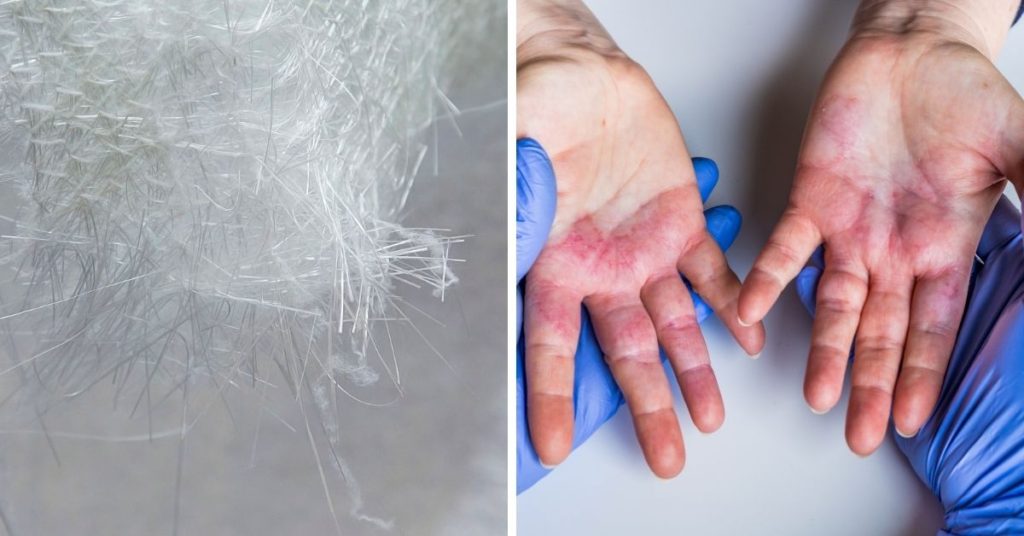

Fiberglass isn’t chemically toxic like lead or asbestos, but those tiny glass fibers can definitely irritate your skin, eyes, and lungs during installation—and yes, it’s as uncomfortable as it sounds. If you’ve ever wrestled with pink insulation batts and spent the next day itching, you already know the reality. The good news? Fiberglass poses minimal long-term health risks when you handle it correctly, and a few simple precautions transform it from miserable to manageable.
The real concern isn’t toxicity—it’s mechanical irritation. Those microscopic shards work their way into skin pores and airways, causing temporary discomfort that ranges from annoying to genuinely unpleasant. Understanding this distinction matters because it shifts your focus from fear to preparation. You’re not dealing with poison; you’re managing sharp particles that your body naturally wants to reject.
Whether you’re insulating an attic, working with fiberglass resin for a DIY project, or simply curious after an uncomfortable encounter, you need straightforward answers about exposure risks and protection strategies. Let’s cut through the confusion and equip you with practical knowledge to work confidently and safely around fiberglass materials.
What Actually Makes Fiberglass Uncomfortable (Not Toxic)
Here’s the thing that surprises most people: fiberglass isn’t actually poisoning you when it makes you uncomfortable. The itching, irritation, and general misery you might experience around fiberglass insulation has nothing to do with chemical toxicity and everything to do with good old-fashioned mechanical irritation.
Think of fiberglass like tiny, microscopic splinters. When those fine glass fibers break off during installation or handling, they can lodge in your skin, eyes, or respiratory tract. Your body reacts the same way it would to any foreign object trying to poke its way in—with inflammation, redness, and that maddening itch. It’s a physical response, not a chemical one.
This confusion between irritation and toxicity is completely understandable. When your skin is burning and itching after working with insulation, it certainly feels like you’ve been exposed to something harmful. But there’s a crucial difference: toxicity means a substance is causing chemical damage to your cells or organs, while irritation is your body’s natural response to physical intrusion.
The fibers themselves are made of glass—essentially melted sand—which is chemically inert. They’re not leaching chemicals into your system or damaging you at a cellular level. Instead, they’re simply too small and sharp for comfort, creating that notorious scratchy sensation wherever they land.
This distinction matters for your peace of mind and your approach to working with fiberglass. You’re not being poisoned during that attic insulation project; you’re just experiencing temporary physical discomfort that will resolve once those tiny fibers are removed. Understanding this difference helps you focus on the right protective measures—creating barriers between you and those microscopic glass shards rather than worrying about chemical exposure.

The Real Health Concerns You Should Know About
Short-Term Effects: What Happens During Your Project
Let’s talk about what you might experience while working with fiberglass insulation or materials. The good news? These reactions, while uncomfortable, are temporary and not signs of poisoning.
The most common complaint is that infamous itch. Those tiny glass fibers can irritate your skin on contact, causing redness, scratching sensations, and sometimes a prickly rash that feels like you’ve rolled in something you shouldn’t have. Your arms, neck, and any exposed skin are prime targets.
Your eyes might also protest if fibers become airborne. You could experience watering, redness, or that gritty feeling like something’s stuck where it shouldn’t be. Similarly, your nose and throat might feel scratchy or irritated from breathing in dust particles during installation or removal work.
Here’s the reassuring part: these reactions happen because fiberglass is physically irritating, not chemically toxic. Think of it like getting sawdust on your skin during a woodworking project. The discomfort comes from mechanical irritation, and once you’ve cleaned up and removed the fibers, symptoms typically fade within hours to a couple of days. Your body isn’t being poisoned; it’s simply reacting to an unwelcome visitor that doesn’t belong there. Understanding this difference helps you approach your project with confidence rather than fear.
Long-Term Exposure: When to Be More Cautious
Here’s where the conversation about fiberglass safety gets a bit more serious. If you’re planning a weekend insulation project or updating that old fiberglass boat in your garage, you’re typically dealing with minimal exposure over a short period. That’s a completely different ballgame from someone working in manufacturing facilities or industrial settings where fiberglass exposure happens daily for years.
Workers in industries like boat building, insulation installation, or fiberglass manufacturing face cumulative exposure that requires serious precautions. We’re talking about breathing in fibers regularly over months and years, which is why these professionals wear respirators, work in ventilated areas, and follow strict safety protocols.
For your occasional home project, the risk profile is much lower. Think of it this way: getting caught in a rainstorm once won’t hurt you, but standing in the rain eight hours a day, five days a week would definitely cause problems. The same principle applies here.
That said, if you find yourself working with fiberglass frequently or taking on large-scale projects that span several weeks, it’s worth stepping up your safety game. Invest in better protective equipment and consider whether certain jobs might be better left to professionals who have proper ventilation systems and expertise.
Essential Safety Gear That Actually Makes a Difference

The Non-Negotiables for Every Fiberglass Project
Before you dive into that exciting fiberglass project, let’s talk about your safety toolkit. Think of these items as your personal protective shield, and trust me, you’ll want every piece in place. Following proper construction safety practices starts with having the right gear on hand.
First up, gloves are absolutely essential. Look for nitrile-coated work gloves rather than cloth ones, as they prevent those pesky fibers from working through the material. Long sleeves are equally important, and here’s a pro tip: choose a smooth, tightly-woven fabric like polyester rather than cotton. Why? Fibers can’t nestle into smooth surfaces as easily, making cleanup a breeze.
Your eyes need serious protection too. Safety glasses or goggles with side shields are non-negotiable because fiberglass particles can irritate your eyes for days if they sneak in. For respiratory protection, invest in an N95 dust mask at minimum. If you’re working on a larger project or in an enclosed space, consider upgrading to a respirator with P100 filters for maximum peace of mind.
Round out your safety ensemble with a disposable coverall if your budget allows, and always wear closed-toe shoes. Remember, you can’t enjoy your beautiful finished project if you’re uncomfortable and itchy. This gear transforms a potentially irritating experience into a perfectly manageable one, letting you focus on bringing your creative vision to life.
Nice-to-Have Items for Bigger Projects
If you’re tackling a larger fiberglass project—like insulating an entire attic, renovating a boat, or working in a confined space—investing in some heavier-duty equipment makes sense for both comfort and safety. While basic gloves and safety glasses work fine for quick fixes, extended exposure calls for stepping up your protection game.
A half-mask or full-face respirator with P100 filters offers significantly better protection than disposable dust masks, especially important when you’ll be working with fiberglass for several hours or days. These reusable respirators filter out nearly 100% of airborne particles and feel much more comfortable during extended wear.
Disposable coveralls with elastic wrists and ankles create a protective barrier that keeps those irritating fibers off your clothes and skin. They’re surprisingly affordable when bought in multi-packs and completely eliminate the worry about contaminating your regular laundry. Just zip up, do your work, carefully remove the coverall by rolling it inside-out, and toss it in the trash.
For indoor projects, proper ventilation equipment like box fans positioned strategically in windows or doorways helps push fiberglass particles outside rather than letting them settle throughout your home. This simple addition dramatically improves air quality and reduces cleanup time afterward.
Step-by-Step Safe Handling Techniques
Before You Start: Setting Up Your Workspace
Getting your workspace ready before you dive into a fiberglass project is like setting the stage for success. Think of it as creating your own little safety bubble where those tiny fibers stay exactly where they belong.
First things first: ventilation is your best friend here. Open windows, set up a fan to blow air outside, or work in your garage with the door wide open. You want fresh air constantly moving through your space, carrying any stray fibers away from your breathing zone rather than letting them settle and linger.
Next, contain your work area by laying down plastic sheeting or old tarps around your project. This creates a defined workspace that catches falling fibers and makes cleanup a breeze afterward. Close doors to other rooms if you’re working indoors, keeping those fibers from wandering into your living spaces.
Finally, gather all your materials and tools before you start cutting or sanding. Having everything within reach means fewer interruptions and less chance of tracking fibers through your home. A spray bottle filled with water is particularly handy because lightly misting fiberglass before working with it dramatically reduces airborne particles. This simple prep work transforms a potentially messy situation into a manageable, stress-free project.
During Your Project: Best Practices
Once you’re ready to dive in, a few smart techniques can dramatically reduce your fiber exposure and make your project much more pleasant. Think of it as working with the material rather than against it.
First up, cutting technique matters more than you’d think. Use a fine-toothed saw or sharp utility knife, and let the tool do the work without applying excessive pressure. Slow, steady cuts create fewer airborne fibers than aggressive sawing. If you’re cutting sheets, try scoring and snapping rather than sawing all the way through whenever possible.
Handle fiberglass gently and deliberately. Avoid shaking materials or tossing scraps around, which launches those irritating fibers into the air you’re breathing. When you need to move insulation batts, roll them rather than wadding them up. Keep your work area contained with drop cloths to catch stray fibers.
Here’s a mistake many DIYers make: touching your face during the project. I know that itch is tempting, but resist! Those gloves protecting your hands will transfer fibers directly to your skin. Similarly, don’t shake out your clothes when you’re done working. Instead, remove protective gear carefully outdoors, place work clothes directly into the washing machine, and shower immediately to rinse away any lingering fibers before they have a chance to spread throughout your home.

After the Work: Cleanup That Prevents Spread
Once your project wraps up, proper cleanup prevents those pesky fibers from lingering. Start by vacuuming thoroughly with a HEPA-filtered vacuum rather than sweeping, which just launches fibers back into the air. Dampen a disposable cloth to wipe down surfaces and trap any remaining particles. For your skin, resist the urge to rub or scratch. Instead, rinse affected areas with cold water first to close your pores, then wash gently with soap. Pat yourself dry rather than rubbing with a towel. Dispose of any used materials, tape, and cleaning cloths in sealed plastic bags to contain the fibers. Wash your work clothes separately from regular laundry using cold water, and run an empty rinse cycle afterward to clear your machine. Taking these simple cleanup steps ensures those invisible fibers don’t migrate throughout your home or stick around to cause irritation days later.
What to Do If You Get Fiberglass on Your Skin
If you’ve gotten fiberglass on your skin, don’t panic—it’s uncomfortable but completely manageable. First things first: resist the urge to scratch or rub the affected area, as this will only drive those tiny glass fibers deeper into your skin.
Start by washing the area gently with cool water and mild soap. The key word here is gently—no vigorous scrubbing just yet. Pat the area dry with a clean towel. Next, grab some adhesive tape (regular packing or duct tape works great) and press it firmly against your skin, then peel it away. This simple trick lifts out many of those pesky fibers that are sitting on the surface. Repeat this several times with fresh pieces of tape.
After tape removal, take a lukewarm shower and wash with soap again. Some people find that applying a thin layer of oil or lotion before showering helps loosen the fibers, making them easier to rinse away.
Now, let’s bust a common myth: using hot water or taking a hot shower right away actually opens your pores and can allow fibers to penetrate deeper. Cool to lukewarm water is your friend here.
For detailed guidance on removing fiberglass from skin, including additional techniques and when to seek medical attention, check out our comprehensive guide. Most irritation clears up within a few days with proper care, though you may experience some itching as your skin heals.
Safer Alternatives to Traditional Fiberglass
If you’re feeling hesitant about working with fiberglass, you’re not alone, and the good news is that you have some fantastic alternatives to consider. Modern insulation materials have come a long way, offering similar thermal performance without the itch and irritation that make fiberglass such a hassle.
Mineral wool, also known as rock wool or stone wool, tops the list for many homeowners. It’s made from natural stone or recycled slag, providing excellent fire resistance and soundproofing qualities. While it can still cause minor skin irritation, it’s generally less bothersome than fiberglass and doesn’t contain the tiny glass fibers that make their way into every crevice of your workspace.
Denim insulation offers an eco-friendly option that’s surprisingly effective. Made from recycled cotton fibers, typically old blue jeans, this material is safe to handle with bare hands and provides solid thermal performance. It’s particularly appealing for DIY enthusiasts who want to avoid protective gear beyond basic gloves.
Cellulose insulation, created from recycled paper products treated with fire retardants, presents another budget-friendly alternative. It’s usually blown into spaces, making it ideal for attics and wall cavities without the mess of handling batts.
Spray foam insulation delivers superior air sealing and insulation values, though professional installation is typically recommended. While the initial cost runs higher, the energy savings and ease of application make it worthwhile for many projects.
Remember, if you’re renovating an older home and discover concerning materials during demolition, consider contacting specialists for professional asbestos removal before proceeding with any insulation upgrades. Your safety always comes first when tackling home improvement projects.
Here’s the bottom line: fiberglass isn’t something to fear when you’re armed with the right knowledge and protective gear. Yes, those tiny glass fibers can irritate your skin, eyes, and lungs, but these effects are temporary and entirely preventable with simple precautions. Think of it like painting or sanding—every DIY project has its considerations, and fiberglass is no different.
The key takeaway? Respect the material, but don’t let worry hold you back from tackling that insulation upgrade or bathtub repair. Wear long sleeves, gloves, safety glasses, and a quality mask. Work in well-ventilated spaces. Clean up thoroughly. These straightforward steps transform fiberglass from intimidating to totally manageable.
You’ve already shown initiative by researching and understanding the risks—that’s half the battle won. Now you can approach your project with confidence, knowing you’re taking smart safety measures just like you would with any other home safety projects. Fiberglass has helped millions of homeowners improve their homes efficiently and affordably. With your newfound knowledge, you’re ready to join them and create the comfortable, energy-efficient space you’ve been envisioning.