
Nobody wants to share their home with unwanted guests, yet the pest control aisle at your local hardware store presents an overwhelming wall of sprays, traps, baits, and powders—each claiming to be the ultimate solution. You’re standing there, wondering which product actually works and won’t require a chemistry degree to use safely around your family and pets.
The truth is, not all pest control products are created equal. Some target specific invaders like ants or roaches, while others promise broad-spectrum protection. Some work instantly but fade quickly, while others build long-term barriers. The “best” product depends on your specific situation, but one solution consistently rises above the rest for most homeowners dealing with common household pests.
Through testing dozens of products and evaluating feedback from real homeowners tackling everything from kitchen ant trails to basement spider invasions, a clear winner emerges for those seeking reliable, user-friendly protection. This isn’t about the flashiest marketing or the product with the longest ingredient list—it’s about what actually delivers results without turning your home into a chemical laboratory.
In this guide, you’ll discover the single most effective product for general home pest control, learn exactly how to apply it for maximum impact, and understand when alternative solutions make more sense for your unique pest challenges. Let’s eliminate the guesswork and get your home back to being pest-free.
Why Most Pest Control Products Miss the Mark
If you’ve ever sprayed a pest control product only to see those unwelcome critters return days later, you’re not alone. The truth is, most store-bought pest solutions fall short in several frustrating ways.
The biggest issue? They’re temporary Band-Aids rather than lasting solutions. That aerosol spray might kill the ants you can see marching across your kitchen counter, but it does nothing about the colony thriving behind your walls. You’re essentially playing a never-ending game of whack-a-mole with insects.
Then there’s the single-pest trap many homeowners fall into. You buy a product specifically designed for roaches, another for ants, and yet another for spiders. Before you know it, you’ve got a cabinet full of half-used bottles, each addressing only one problem. It’s expensive, cluttered, and ineffective for comprehensive protection.
Many conventional pest control methods also rely on harsh chemical formulations that make you wonder what you’re really bringing into your home. The strong odors, warning labels, and concerns about pets and children can make these products feel like they’re creating more problems than they solve.
Perhaps most importantly, typical pest control products rarely address the root cause. They kill visible pests but ignore the conditions attracting them in the first place—food sources, entry points, moisture issues, and nesting sites. Without tackling these underlying factors, you’re stuck in a cycle of repeated treatments and recurring infestations.
The good news? Understanding these common pitfalls helps us identify what actually works for long-term, whole-home pest prevention.
What Makes a Pest Control Product Actually Work
Finding a pest control product that truly delivers results isn’t about fancy packaging or bold claims—it’s about understanding what separates effective solutions from gimmicks collecting dust under your sink.
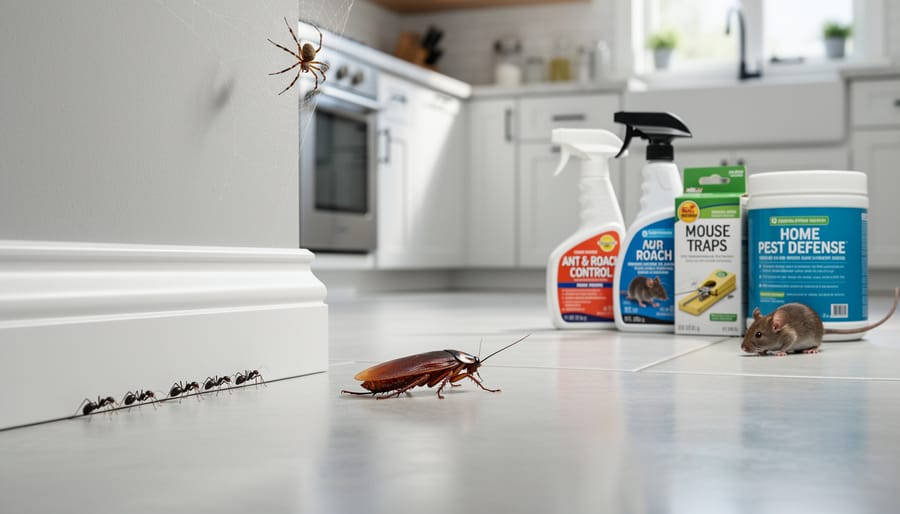
Think of effective pest control like a good home security system: you want comprehensive coverage, not just a solution for one specific problem. The best products offer broad-spectrum protection, tackling everything from ants marching across your countertops to spiders setting up shop in your corners. A truly effective solution shouldn’t force you to buy five different products for five different pests.
Safety should be your non-negotiable priority. You’re protecting your home, not creating new hazards. Look for products with clear safety ratings that won’t have you quarantining rooms or worrying every time your curious toddler toddles by. Pet-friendly formulations mean you can address your pest problem without stressing about your furry family members.
Ease of use matters more than you might think. The most powerful product in the world won’t help if it requires a chemistry degree to apply correctly. You want something straightforward—think spray-and-go or simple perimeter applications that fit into your weekend maintenance routine rather than demanding elaborate preparation rituals.
Long-lasting results separate the winners from the pretenders. Quality products should keep working for weeks or even months after application, not require constant reapplication every few days. This isn’t just about convenience; it’s about cost-effectiveness and actually solving your pest problem rather than temporarily masking it.
Finally, the best products don’t just eliminate existing pests—they prevent new invasions. Look for solutions that create protective barriers and address the root causes of infestations. Prevention-focused products save you from that frustrating cycle of treating the same problem repeatedly, letting you actually enjoy your pest-free home instead of constantly playing defense.
The Best All-Around Product for In-Home Pest Control
How to Apply It for Maximum Protection
Getting the application right makes all the difference between seeing those pests disappear and wasting your weekend. Let’s walk through the process so you can tackle this project with confidence.
Start by giving your home a good cleaning. Vacuum thoroughly, wipe down surfaces, and eliminate food crumbs that attract pests. This prep work might seem tedious, but it dramatically improves how well the product works.
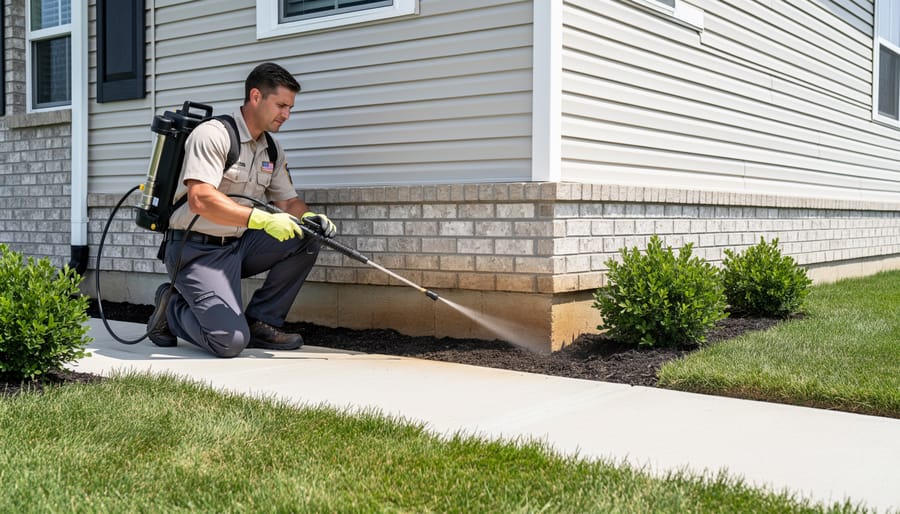
For perimeter protection, apply your chosen product along baseboards, behind appliances, under sinks, and around entry points like windows and door frames. Think of it as creating an invisible barrier that pests can’t cross. Use a thin, continuous line rather than thick globs, which actually works against you by repelling insects before they contact enough product to be affected.
In kitchens and bathrooms, focus on those dark corners where pipes enter walls and the spaces between appliances and counters. Pests love these hidden highways through your home. Don’t forget closets, laundry rooms, and garage entry points.
Most products require reapplication every three months, though you’ll want to retreat immediately after heavy cleaning or if you spot new pest activity. Mark your calendar so you don’t forget.
The biggest mistake homeowners make is using too much product or spraying in the wrong spots. More isn’t better here. Also, avoid applying directly on surfaces where you prepare food, and always let treated areas dry completely before allowing pets or children near them. With patience and attention to detail, you’ll create a pest-free sanctuary that lasts.
Real Results: What to Expect in Your Home
Here’s the honest truth: pest control isn’t instant magic, but you’ll start seeing results faster than you might think. Most quality products begin working within 24-48 hours for common invaders like ants and roaches. You’ll notice fewer critters along baseboards and in kitchen corners first—that’s your sign it’s working.
For persistent problems like German cockroaches or carpenter ants, give it 7-10 days for the domino effect to kick in. These pests carry the treatment back to their colonies, and you’re essentially waiting for the message to spread. Think of it like solving a puzzle—each day, more pieces fall into place.
Spiders and occasional invaders typically disappear within the first week since they encounter treated surfaces directly. You might see some increased activity initially (pests trying to escape treated areas), which is actually good news—it means they’re disturbed and on their way out.
The real test? When you stop finding surprises in your cabinets or spotting unwanted guests during midnight snack runs. Most homeowners report feeling confident their home is protected within two weeks, with quarterly reapplications keeping things peaceful year-round.
When You Need Something Different
Let’s be honest—no single product works perfectly for every home, every pest, or every family situation. While we’ve identified a top recommendation that handles most common household pests effectively, your circumstances might call for something different, and that’s completely okay.
If you’re dealing with specific pest situations like beneficial pollinators near your home, you’ll want specialized solutions that protect helpful insects while managing unwanted guests. Similarly, carpenter ants require different tactics than sugar ants, and German cockroaches demand more aggressive treatment than occasional water bugs.
Households with pets, young children, or family members with chemical sensitivities need extra consideration. In these cases, botanical-based products containing essential oils like peppermint, rosemary, or cedar oil provide effective alternatives. These natural options take longer to work and require more frequent application, but they offer peace of mind when safety is your priority. Think of them as the gentle-but-persistent approach to pest management.
For those committed to organic living, diatomaceous earth remains a tried-and-true option. This powdery substance made from fossilized algae works mechanically rather than chemically, dehydrating insects that walk through it. It’s safe around kids and pets once settled, though you’ll need patience as results develop over days rather than hours.
Severe infestations present a different challenge altogether. If you’re seeing pests during daylight hours, finding droppings throughout your home, or noticing structural damage, you’ve likely moved beyond DIY territory. Professional pest control services have access to commercial-grade products and application techniques unavailable to homeowners. While pricier upfront, professional treatment often proves more cost-effective than repeatedly purchasing retail products that can’t fully address the problem.
Budget-conscious homeowners might consider combination approaches—using professional services for initial knockdown treatment, then maintaining control with quality retail products. This strategy gives you professional-level results while keeping ongoing costs manageable.
Remember, switching products isn’t admitting defeat. It’s being smart about matching the right tool to your specific challenge. Your home’s unique environment, your family’s needs, and the particular pests you’re facing all factor into finding your perfect solution.
Making Your Home Less Inviting to Pests
Here’s the truth: even the best pest control products work better when your home isn’t essentially rolling out the welcome mat for unwanted visitors. Think of it this way—you’re creating an environment where pests simply don’t want to hang out, and that’s honestly half the battle won before you even spray a single drop.
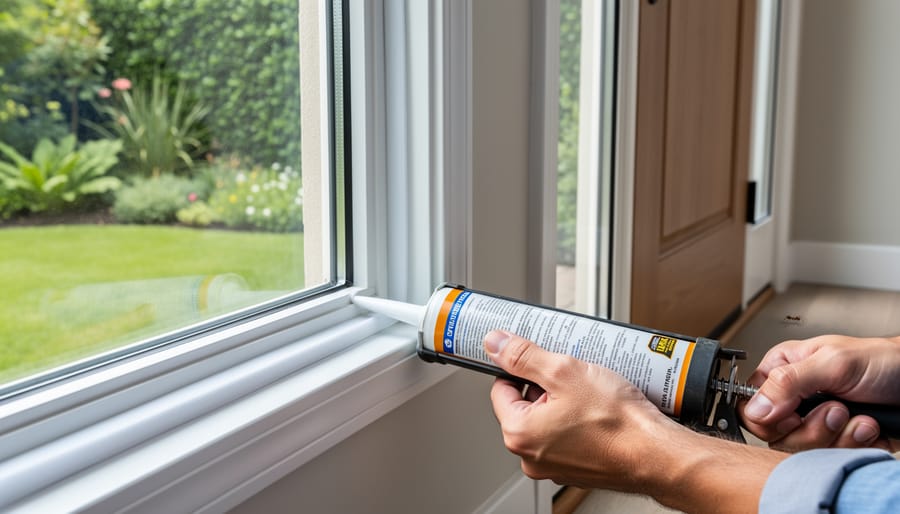
Start with the basics: seal up those entry points. Walk around your home’s perimeter and look for cracks in your foundation, gaps around windows and doors, and openings where utility lines enter. A tube of caulk and some weatherstripping can work wonders here. Remember, if you can slide a credit card through a gap, a mouse can probably squeeze through too.
Next up, tackle moisture issues. Pests are like us—they need water to survive. Fix leaky faucets, ensure your gutters drain properly, and consider reducing moisture in your basement or crawl space with a dehumidifier. Those damp areas under sinks? Check them regularly and address problems quickly.
Food storage deserves serious attention. Invest in airtight containers for pantry staples—those flimsy cardboard boxes are basically buffet invitations for pantry moths and weevil beetles. Clean up spills immediately, don’t leave pet food out overnight, and take out garbage regularly. It’s not glamorous, but it’s remarkably effective.
Finally, don’t overlook your outdoor spaces. Trim branches that touch your house, keep firewood stored away from your foundation, and maintain a tidy yard maintenance routine. Overgrown vegetation creates highways for pests to reach your home.
These prevention strategies aren’t just about pest control—they’re smart home maintenance that protects your investment and creates a healthier living environment. When you combine these practices with quality pest control products, you’re creating a comprehensive defense system that actually works.
Taking control of your home’s pest situation doesn’t have to feel overwhelming or require a professional every time you spot an unwanted visitor. With the right product in your arsenal and a proactive mindset, you can create a pest-free environment that protects your family and preserves the comfort of your space. Remember, the best defense is always a good offense—regular application of quality pest control products around your home’s perimeter, combined with basic maintenance like sealing cracks and keeping areas clean, will save you from bigger headaches down the road.
Think of pest control as just another part of your home maintenance routine, like changing air filters or cleaning gutters. It’s one of those behind-the-scenes tasks that makes a huge difference in your quality of life. You’ve already taken the first step by educating yourself on the options available, and now it’s time to put that knowledge into action. Grab your chosen product, set aside an hour this weekend, and give your home the protective barrier it deserves. Your future self will thank you when you’re enjoying a peaceful, pest-free evening at home.


