
Sleep on your back with pillows strategically positioned under your knees and along both sides of your body to create a supportive cocoon that protects your incision while keeping you comfortably elevated. This position reduces pressure on your surgical site and allows gravity to work in your favor during those challenging first weeks of recovery.
Position yourself at a 30 to 45-degree angle using bed wedges or stacked pillows behind your upper body, transforming your sleeping space into a recovery sanctuary that minimizes strain when you need to get up for nighttime feedings. The incline naturally supports your abdominal muscles without forcing them to engage fully, giving your body the gentle assistance it desperately needs.
Create a side-sleeping setup with a firm pillow pressed against your abdomen and another tucked between your knees if back sleeping feels unbearable. The abdominal pillow acts as a protective shield, absorbing movement and providing reassuring pressure that many mothers find comforting during those first vulnerable nights home from the hospital.
Arrange your bedside essentials within arm’s reach before settling in, placing water, medications, and baby supplies on a sturdy nightstand so you can minimize twisting and reaching movements that pull at healing tissues. Your sleeping environment becomes part of your recovery team when thoughtfully organized around your current physical limitations.
Why Your Sleeping Position Matters More Than You Think
Think of your post-c-section recovery like renovating a room in your home. Just as you wouldn’t pile heavy furniture on freshly laid flooring before it’s set, you shouldn’t put unnecessary pressure on your healing incision. Your sleeping position is actually one of the most important factors in your recovery journey, and here’s why it deserves more attention than you might realize.
When you’re sleeping, your body shifts into its most powerful healing mode. During those precious hours of rest, your incision site is working overtime to repair tissue, reduce inflammation, and rebuild strength. But here’s the catch: the wrong sleeping position can undo much of that hard work. Lying flat on your stomach, for instance, creates direct pressure on your incision, potentially stretching the healing tissue and causing unnecessary discomfort that might wake you throughout the night.
Beyond just incision care, your sleeping position affects your entire recovery ecosystem. Poor positioning can lead to increased swelling, restricted blood flow to the surgical area, and even breathing difficulties that prevent you from getting the deep, restorative sleep your body desperately needs right now. It’s similar to how proper furniture placement in a room affects traffic flow and functionality.
The good news? With a few thoughtful adjustments to how you position yourself at night, you can actively support your body’s natural healing process. You’ll experience less pain, reduce your risk of complications, and most importantly, get the quality rest that allows you to be present for your new baby during those demanding daytime hours. It’s about working with your body, not against it.
The Best Sleeping Positions After a C-Section
Back Sleeping: The Recovery-Friendly Default
When you’re fresh from a C-section, your body craves the simplest, most supportive position it can get—and that’s often flat on your back. Think of it as your home base for healing, the reliable starting point that puts minimal pressure on your incision while keeping everything properly aligned.
The beauty of back sleeping lies in its straightforward support system. Your weight distributes evenly across your mattress, and your incision isn’t getting squashed or pulled in any direction. It’s like giving your body a clean slate to focus entirely on recovery without adding extra stress to the healing process.
Here’s where your pillow collection becomes your best friend. Place a supportive pillow under your knees to take pressure off your lower back and reduce tension around your abdomen. This small adjustment makes a world of difference in comfort levels. You’ll also want a pillow under each arm—trust me on this one. When you’re holding or feeding your baby, these arm pillows provide instant support without you having to engage your core muscles, which are still recovering from surgery.
Consider adding a slight elevation to your upper body using a wedge pillow or an extra pillow behind your regular one. This gentle incline can help with breathing, reduce swelling, and make it easier to get up when your baby needs you at 2 a.m.
Not a natural back sleeper? Start with short stretches during the day to get comfortable with the position. Layer soft blankets strategically for extra cushioning, and don’t hesitate to adjust your pillow setup until it feels just right. Your recovery deserves this level of attention to comfort.

Side Sleeping: Your Best Friend for Comfort
Side sleeping is genuinely your comfort champion during C-section recovery, offering sweet relief from incision pain while keeping you close to your baby during those midnight feedings. Think of it as creating your own cozy recovery nest right in your bedroom.
The left side tends to be the gold standard for most new moms. This position improves circulation, helps your digestive system get back on track, and takes pressure off your incision. That said, your right side works beautifully too, especially if your body tells you it feels better there. Listen to what your recovery is telling you and alternate between sides to prevent stiffness.
Here’s where pillow strategy becomes your secret weapon. Place a firm pillow between your knees to keep your hips aligned and reduce strain on your lower back and abdomen. Imagine you’re building a support system with each pillow serving a specific purpose. Hug another pillow against your chest and tummy, this creates a gentle buffer zone that protects your incision when you shift position during sleep. Some moms swear by placing a rolled towel or small pillow at the small of their back for extra support.
Transitioning from your back to side position requires a bit of technique initially. Roll like a log, keeping your shoulders and hips moving together as one unit rather than twisting at the waist. Use your arms to help push yourself into position, taking the workload off your abdominal muscles. It might feel awkward at first, like learning a new dance move, but within a few days this movement becomes second nature.
The beauty of side sleeping is its flexibility. You can adjust your pillow fortress nightly based on what feels right, creating your personalized comfort zone.

Semi-Reclined Position: When Lying Flat Isn’t an Option
When lying completely flat feels uncomfortable or impossible after your c-section, a semi-reclined position might become your best friend during recovery. This angled approach works wonders for moms experiencing reflux, breathing discomfort, or simply finding that elevation eases pressure on their incision.
If you have an adjustable bed, this is your moment to embrace that investment. Set the head elevation between 30 and 45 degrees to find your sweet spot. No adjustable bed? No problem. You can create a similar setup using what you already have at home. Stack firm pillows or use a wedge pillow behind your back and head, ensuring the support extends from your lower back through your shoulders. Think of building a gentle slope rather than creating an awkward angle that leaves you sliding down during the night.
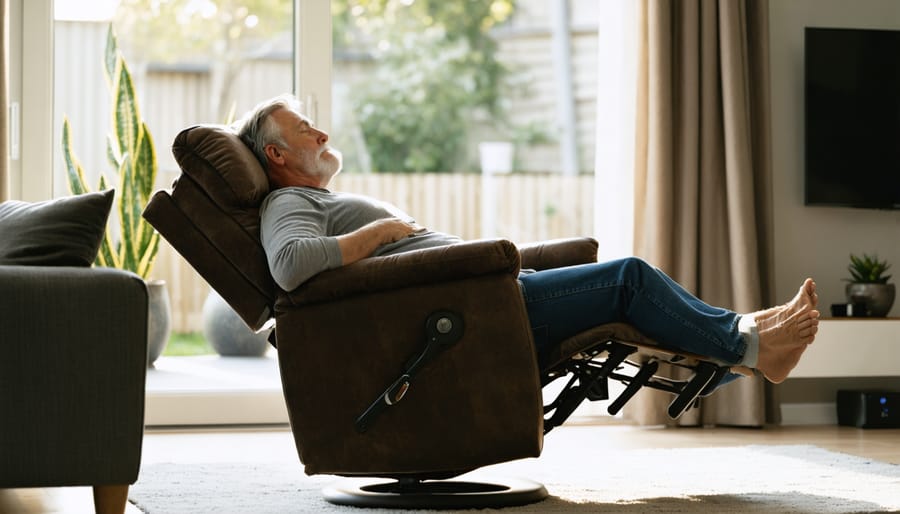
Consider sleeping in a recliner as another viable option, especially during those first challenging nights home from the hospital. Many moms find recliners particularly helpful because they provide consistent support and make getting in and out of bed significantly easier.
To enhance your semi-reclined setup, place a small pillow under your knees to reduce lower back strain and prevent sliding. Keep essentials within arm’s reach since getting up requires more effort in this position. This elevated approach naturally reduces swelling, improves circulation, and helps you breathe more easily while your body focuses on healing.
Positions to Avoid (And Why They’ll Set You Back)
While you’re navigating this recovery period, there are definitely some sleeping positions you’ll want to avoid, even if they were your go-to favorites before surgery. Think of it like protecting a renovation project while it’s still drying—you wouldn’t want to disturb the work in progress.
Stomach sleeping is your number one position to skip for now. I know this might be tough news if you’re a dedicated belly sleeper, but lying face-down puts direct pressure on your incision site. This can disrupt the delicate healing happening beneath your skin, potentially causing the incision to separate or become irritated. Beyond the external wound, your uterus and abdominal muscles are also repairing themselves, and stomach sleeping compresses these areas when they need breathing room to recover properly.
Sitting completely upright in bed without proper back support is another setup that can work against you. While semi-reclined positions are helpful, sitting bolt upright strains your core muscles, which are already weakened from surgery. This position forces your abdominal muscles to work overtime just to keep you stable.
Also avoid any position that requires twisting your torso to get comfortable. Those contorted positions where you’re half on your side with your upper body turned might have worked before, but now they create unnecessary tension across your incision line.
The goal is protecting your healing body while still getting restorative sleep—and sometimes that means temporarily saying goodbye to your old sleeping habits.

Creating Your Recovery-Ready Sleep Setup
Essential Pillow Strategy
Think of pillows as your best friends during C-section recovery – they’re essentially soft, supportive building blocks that transform your bed into a healing sanctuary. The right pillow strategy can make the difference between restless nights and restorative sleep.
Start with a quality body pillow, which becomes your MVP for side sleeping. Position it along your front, allowing you to drape your top leg over it. This takes pressure off your incision and supports your abdomen beautifully. If body pillows feel too bulky, try a smaller pregnancy pillow or even two standard bed pillows positioned strategically.
Wedge pillows deserve special mention for their versatility. Place one under your knees when sleeping on your back to reduce lower back strain, or use it to elevate your upper body at a gentle incline – perfect for those dealing with post-surgery breathing discomfort or acid reflux. Some moms swear by tucking a small wedge directly against their incision site for targeted support.
Don’t underestimate the power of extra support pillows scattered around your bed. Keep one within arm’s reach for hugging when you need to cough or laugh (yes, you’ll want that abdominal support), and consider placing another behind your back to prevent rolling when side sleeping.
Budget-conscious? Regular bed pillows work wonderfully when arranged thoughtfully. Roll towels or blankets to create makeshift wedges, or invest in one quality support pillow and supplement with what you already own. The goal is comfort and support, not a complete bedroom overhaul.
Bed Height and Accessibility
Getting in and out of bed shouldn’t feel like an obstacle course when you’re recovering from a c-section. The right bed height makes all the difference—you want your feet to comfortably touch the floor when sitting on the edge, allowing you to stand without engaging your core muscles too much.
If your current bed is too low and you’re struggling to rise without straining your incision, consider temporary solutions like bed risers. These inexpensive lifts can elevate your bed by 3-6 inches, creating a more accessible exit point. Alternatively, a mattress topper adds both height and cushioning, which is a win-win during recovery.
On the flip side, if your bed is too high, a sturdy step stool helps you climb in safely without stretching your abdomen. Think of this as a short-term adjustment—not permanent home renovation. Keep choosing furniture that serves your immediate recovery needs in mind.
Position your nightstand within arm’s reach so you’re not twisting or reaching for essentials like water, pain medication, or your phone. A small bedside caddy that hangs from your mattress edge keeps items even closer. These simple adjustments transform your bedroom into a true recovery sanctuary where comfort meets practicality.
Mattress Considerations
Your mattress plays a surprising role in your C-section recovery, and you might not need to rush out and buy a new one just yet. Medium-firm mattresses typically offer the best support for healing abdominal muscles, providing enough cushioning for comfort while keeping your spine aligned. If your current mattress feels too soft and you’re sinking in, this can make getting in and out of bed more challenging and put extra strain on your incision site.
Before choosing the right mattress for long-term use, try these temporary fixes. A firm mattress topper can add support without the investment, or place a piece of plywood between your mattress and box spring for instant firmness. If your bed is too firm and causing pressure points, a memory foam topper adds just enough cushioning to help you rest comfortably.
Consider adjustable bed frames if you’re planning bedroom upgrades anyway. Being able to elevate your upper body or legs with a remote makes position changes effortless during those exhausting midnight feedings. Even propping your existing mattress with bed risers under the head creates a gentle incline that reduces abdominal pressure. Small adjustments make big differences in how you feel each morning.
Getting In and Out of Bed Without the Ouch
Getting in and out of bed probably feels like an Olympic sport right now, but I promise there’s a gentler way to manage these transitions. The secret weapon? The log roll method, which sounds fancy but is simply moving your body as one solid unit rather than engaging those tender abdominal muscles.
Here’s how to master the exit strategy: Start by bending your knees while lying on your back. Keeping your shoulders and hips aligned, roll onto your side like you’re one piece of timber. Use your top arm to push yourself up while simultaneously lowering your legs over the bed’s edge. Your legs act as a counterweight, making the whole movement feel almost effortless. No crunching required.
Getting back into bed follows the same principle in reverse. Sit on the bed’s edge with your back to the pillows. Lower yourself onto your side using your arms for support, then swing your legs up while you roll onto your back. Think smooth and coordinated, like you’re choreographing a gentle dance.
Your bedroom furniture becomes your support crew during recovery. Position a sturdy nightstand within reach to grab while standing. Some moms place a chair beside the bed for extra leverage. If your bed height feels challenging, consider temporarily adding a bed rail or even stacking firm pillows under your mattress to reduce how far you need to lower or lift yourself. The goal is making every movement feel supported and controlled, protecting that healing incision while you navigate these necessary transitions.
When to Transition Back to Normal Sleep
Most women can gradually return to their preferred sleeping positions around 6-8 weeks post-surgery, though everyone’s recovery timeline is beautifully unique. Your body will send clear signals when it’s ready—you’ll notice reduced incision tenderness, easier movement when changing positions, and you’ll wake up naturally having rolled onto your stomach or non-elevated side without discomfort.
Start experimenting with different positions once you can move comfortably without wincing. Think of it like testing out new furniture arrangements in your bedroom—try one change at a time to see what feels right. If sleeping on your stomach causes pain or pressure on your incision, you’re not quite there yet, and that’s perfectly okay.
Listen to your recovery cues rather than rushing based on calendar dates. Some moms bounce back faster, while others need extra time, especially if there were complications. Your healing journey deserves patience and respect.
Always check with your healthcare provider at your postpartum appointments before making major sleep position changes. They’ll assess your incision healing and give personalized guidance based on your specific recovery. When in doubt, ask—your doctor has seen it all and wants you sleeping comfortably and healing beautifully.
Recovery from a c-section doesn’t happen overnight, and that’s perfectly okay. Your body has been through major surgery, and healing takes genuine time and patience. Think of creating your ideal sleep setup as more than just arranging pillows—it’s about designing a recovery space that works for you. Every adjustment you make, from the supportive cushions flanking your sides to the nightstand positioned within easy reach, is an active investment in faster, more comfortable healing. You’re not just managing discomfort; you’re building an environment that supports your body’s natural recovery process. Remember, there’s real power in taking control of your healing space. By prioritizing comfort and being intentional about how you rest, you’re giving yourself the best possible foundation for getting back to feeling like yourself again.