Inspect your LiftMaster garage door system monthly by checking the door’s balance—disconnect the opener and manually lift the door halfway to ensure it stays in place without assistance. Listen for grinding or scraping sounds during operation, which signal worn rollers or hinges needing replacement. Test your auto-reverse safety feature by placing a cardboard box under the closing door to confirm it immediately reverses upon contact. Clean the photo-eye sensors with a soft cloth and verify their alignment by ensuring both indicator lights remain steady.
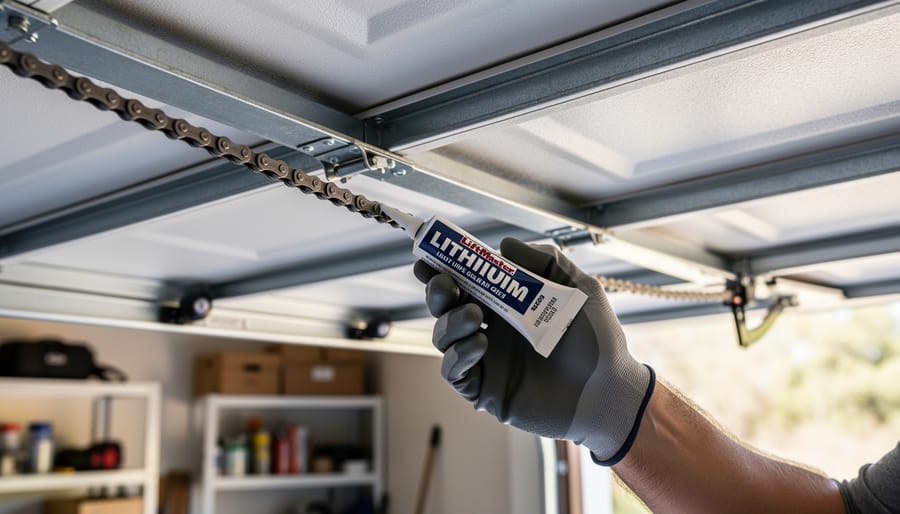
Your LiftMaster opener demands attention beyond the door itself. Apply white lithium grease to the chain or screw drive every six months, wiping away excess to prevent dust accumulation. Check the wall-mounted control panel’s batteries if you notice delayed responses, and update your MyQ smart technology through the mobile app to maintain optimal performance and security features. Tighten all visible bolts and brackets seasonally, as the door’s constant movement naturally loosens hardware over time.
Professional servicing becomes essential when you notice cable fraying, spring damage, or persistent operational issues despite your maintenance efforts. These components operate under extreme tension and pose serious safety risks without proper training and tools.
Why LiftMaster Maintenance Matters More Than You Think
Your LiftMaster garage door system is one of the hardest-working features in your home, cycling up and down multiple times each day, year after year. Yet most homeowners only think about it when something goes wrong. Here’s why shifting to a proactive maintenance mindset can save you serious headaches and money down the road.
Think of regular maintenance as an insurance policy for your daily routine. A well-maintained LiftMaster can easily last 15 to 20 years, while a neglected system might struggle to reach ten. The math is simple: spending a few minutes on monthly checks and an hour on seasonal tune-ups can extend your system’s lifespan by nearly a decade. That’s thousands of dollars you won’t need to spend on premature replacement.
Safety is another compelling reason to stay on top of maintenance. LiftMaster systems include important safety features like auto-reverse sensors and force settings, but these only work properly when they’re clean, aligned, and functioning correctly. A buildup of dirt on sensors or worn-out springs can compromise these protective mechanisms, putting your family and vehicles at risk.
Consider what happens when maintenance falls by the wayside. Small issues like loose hardware or dry chains create noise and vibration that worsen over time. That annoying squeak becomes grinding metal. A slightly misaligned track turns into a door that won’t close properly, compromising your home security. These common garage door problems often start small but escalate quickly without attention.
The reliability factor matters too, especially during those rushed mornings or late nights when you need your garage door to simply work. Regular maintenance means fewer surprise breakdowns and the peace of mind that comes with a smoothly operating system.
Monthly Must-Dos: Quick Checks That Prevent Big Problems
The 30-Second Safety Sensor Test
Here’s a safety check you can do faster than brewing your morning coffee! Your LiftMaster’s photo-eye sensors are the guardians that prevent your door from closing on kids, pets, or that forgotten bicycle. Testing them takes just 30 seconds and could save you from a costly accident.
Start by closing your garage door about halfway, then place a cardboard box or bucket directly in the door’s path, right where the sensor beams cross. Now, press your wall button or remote to close the door. If everything’s working correctly, the door should immediately reverse direction when it detects the obstruction. Think of it as your garage door saying “Nope, not today!”
If the door doesn’t reverse, check that both sensors have steady lights and are properly aligned facing each other. Sometimes a slight bump or settling can knock them out of position. Clean any dirt or cobwebs from the sensor lenses with a soft cloth, then test again. This simple monthly check gives you peace of mind that your safety system is alert and ready.

Visual Inspection: What to Look For
Think of your visual inspection as a wellness check for your garage door—you’re looking for those little warning signs before they become big problems. Start by examining the cables running along both sides of your door. They should appear tightly wound without any fraying, broken strands, or signs of rust. If you spot any damage here, stop using the door immediately and call a professional, as cables are under extreme tension.
Next, take a close look at the springs mounted above your door. Check for gaps, stretching, or rust buildup. While you shouldn’t attempt spring repairs yourself, catching wear early can prevent an unexpected breakdown.
Move on to the rollers and tracks. Rollers should spin freely without wobbling, and the tracks should be properly aligned without dents or debris buildup. Run your eyes along the entire track length, watching for any bends that could cause your door to stick or operate unevenly.
Finally, inspect all the mounting hardware. Look for loose bolts, worn hinges, or any components that seem out of place. This quick visual tour, done monthly, helps you stay ahead of potential issues and keeps your LiftMaster system operating smoothly for years to come.
Listen to Your Door (It’s Talking to You)
Your garage door speaks volumes—you just need to know how to listen! A healthy LiftMaster system operates with a smooth, consistent hum that quickly fades into the background. That’s the sound you want to hear.
But when your door starts complaining, pay attention. A grinding noise usually means your opener chain needs lubrication or the gears inside are wearing down. Squeaking and squealing point to dry rollers, hinges, or tracks crying out for some TLC. These sounds are easy fixes with regular maintenance.
Now for the red flags: If you hear loud popping or banging, your springs might be nearing the end of their lifespan—a job that definitely requires professional help since springs are under tremendous tension. A clicking sound without the door moving could indicate electrical issues or a failing motor. Rattling often means loose hardware that needs tightening before something more serious develops.
Here’s a helpful trick: record a video of your door operating when it sounds normal. That way, you’ll have a baseline to compare against when something sounds off. Trust your ears—they’re often the first alert system for catching problems before they become expensive repairs.
Seasonal Deep-Dive Maintenance Tasks
Lubrication: The Right Way for LiftMaster Systems
Think of lubrication as your LiftMaster’s favorite treat—it keeps everything moving smoothly and prevents those annoying squeaks that echo through your house at 6 AM. The key is using the right product: grab a silicone-based or lithium-based spray lubricant specifically designed for garage doors. Stay away from WD-40 or grease-based products, which actually attract dirt and can gum up your system over time.
Here’s your lubrication hit list: spray the roller bearings (not the rubber wheels themselves), hinges, springs, and the opener’s chain or screw drive. Don’t forget the lock mechanism and the top of the rail where the trolley slides. A light coating every three to four months is perfect for most climates, though you might want to bump it up to every two months if you live somewhere with extreme temperatures.
Pro tip: wipe away any excess lubricant after applying to prevent drips on your car. The whole process takes about 10 minutes and makes a noticeable difference in how quietly your door operates. Your early-rising family members will definitely appreciate the quieter mornings.

Testing the Auto-Reverse Feature
Testing your auto-reverse feature is like giving your garage door a safety quiz, and it’s one of the most important monthly checks you can do. Here’s how to make sure your LiftMaster system passes with flying colors.
Start with the pressure sensitivity test. Place a solid object like a 2×4 piece of wood or a roll of paper towels flat on the floor in the door’s path. Close the door using your wall button or remote. When the door makes contact with the object, it should immediately reverse direction and open back up. If it doesn’t reverse within two seconds of touching the object, your pressure settings need adjustment.
Next, test the photo-eye sensors by closing the door and quickly waving a broom or long object through the sensor beam about six inches off the ground. The door should instantly stop and reverse. If it continues closing, your sensors may be misaligned or dirty.
Think of these tests as your door’s report card. If either test fails, consult your owner’s manual for adjustment instructions or contact a professional. Never ignore a failed test, as this feature protects your family, pets, and vehicles from potential harm. Most LiftMaster systems have adjustment dials near the motor unit for fine-tuning sensitivity levels.
Balance Check and Adjustment Tips
Here’s a simple way to check if your LiftMaster garage door is properly balanced: disconnect the opener by pulling the emergency release cord, then manually lift the door about halfway up. A well-balanced door should stay in place without drifting up or down. If it drops or shoots upward, your springs need attention.
This quick test is something you can do every few months, and it’s surprisingly revealing. Think of it like checking your car’s tire pressure—it only takes a minute but can prevent bigger headaches down the road. When you lift the door, it should feel smooth and relatively light. If you’re struggling to raise it or it feels jerky, that’s your door telling you something needs adjustment.
Now, here’s where we need to have an honest conversation about DIY limits. Garage door springs are under tremendous tension—we’re talking hundreds of pounds of force. While testing the balance is perfectly safe, actually adjusting or replacing those springs is a job best left to the pros. Attempting spring work yourself can lead to serious injury or property damage.
If your balance test reveals issues, schedule professional spring adjustments right away. A qualified technician has the specialized tools and expertise to handle these high-tension components safely. Most spring adjustments take under an hour and will restore that effortless glide you remember when your door was new.
Maintaining Your LiftMaster Opener and Electronics

Motor Unit Care and Chain/Belt Maintenance
Your LiftMaster motor unit works hard every time you open and close your garage door, so showing it a little love goes a long way. Start by unplugging the opener and wiping down the motor housing with a soft, dry cloth to remove dust and cobwebs. Check the mounting bracket to ensure everything’s securely fastened, as vibrations over time can loosen hardware.
Now for the chain or belt. If you have a chain-drive system, inspect it for rust or stiff links that might cause jerky movement. A properly tensioned chain should sag about a half-inch at its midpoint. Too loose creates noise and wear, while too tight strains the motor. Belt-drive systems require less attention but still need a visual check for fraying or cracks.
For chain maintenance, apply a small amount of white lithium grease along the top surface, avoiding oversaturation. Let the opener run through a few cycles to distribute it evenly. Belt systems typically don’t need lubrication, but consult your owner’s manual since LiftMaster models vary.
Think of this maintenance like tuning up your car. Regular attention prevents those midnight surprises when you’re pulling into the driveway after a long day.
Keeping Your MyQ and Smart Features Running Right
Your LiftMaster’s smart features are what make modern garage life so convenient, but they need a little TLC to keep performing their best. Think of your MyQ system like your smartphone – it works great when you stay on top of updates and maintenance, but neglect it and you’ll find yourself frustrated.
Start by checking for app updates monthly. Open your MyQ app and head to settings to ensure you’re running the latest version. These updates aren’t just about new features; they often include important security patches and connectivity improvements that keep your system reliable. While you’re in there, verify your Wi-Fi signal strength. If you notice sluggish response times or connection drops, your garage might be in a Wi-Fi dead zone. A simple plug-in Wi-Fi extender positioned between your router and garage can work wonders.
Battery maintenance is surprisingly easy but often overlooked. Your garage door opener’s backup battery should be replaced every two to three years, while the MyQ sensors typically use coin cell batteries that last about a year. Set a reminder on your phone so you’re not caught off guard when your system stops working during a power outage.
Here’s a pro tip: clean your MyQ sensor lenses quarterly with a soft, dry cloth. Dust and cobwebs can interfere with their performance, causing false alerts or delayed notifications. Taking just five minutes for this simple task ensures your smart features stay responsive and accurate, letting you monitor your garage with complete confidence.
When to Call a Professional (And When You Can DIY)
Here’s the good news: many LiftMaster maintenance tasks are perfectly safe for DIY enthusiasts to tackle. Regular visual inspections, cleaning photo-eye sensors, lubricating moving parts, and testing your door’s balance are all homeowner-friendly projects that’ll keep your system humming along beautifully. You can confidently handle testing your auto-reverse safety features, tightening loose hardware, and even replacing basic weather stripping.
However, there’s one golden rule you absolutely need to follow: never attempt to adjust, repair, or replace garage door springs or cables yourself. These components are under extreme tension and can cause serious injury or even death if mishandled. Think of them like the electrical panel in your home—best left to the experts who have specialized tools and training.
When should you call for professional garage door repair? Anytime you notice broken cables, damaged springs, or if your door won’t open despite troubleshooting efforts. Also reach out if your opener’s motor seems to be struggling, making unusual grinding noises, or if you spot significant structural damage to the door panels or tracks.
LiftMaster recommends annual professional tune-ups, which typically include spring adjustments, cable inspections, and comprehensive safety checks. These visits are like getting your car serviced—preventive care that catches small issues before they become expensive emergencies. Your safety is worth far more than any DIY savings.
Here’s the truth about garage door maintenance: it’s not glamorous, but it’s one of those home care tasks that genuinely pays off. When you commit to regular upkeep, your LiftMaster system transforms from a potential weekend disaster into a reliable feature you barely think about—and isn’t that the dream?
The beautiful part is that you don’t need to tackle everything at once. Start small with a simple monthly visual inspection. Check those photo-eye sensors, listen for unusual sounds, and give the door a quick look as it moves. These five-minute checks become second nature faster than you’d think, and they’re incredibly effective at catching problems before they escalate.
As you build confidence, layer in those seasonal tasks—lubricating moving parts, testing the auto-reverse feature, and tightening hardware. Before long, you’ll have a sustainable routine that protects your investment and keeps your household running smoothly.
And when your LiftMaster system eventually reaches the end of its service life, you’ll have the knowledge to make informed decisions about recycling old openers and choosing the right replacement.
The peace of mind that comes with a well-maintained garage door is genuinely underrated. No more wondering if the door will close properly when you’re rushing to work. No more anxiety about whether it’s secure overnight. Just smooth, predictable operation that lets you focus on the home improvement projects you actually enjoy.