The lights flicker, then fade to black. Your refrigerator goes silent. Your home office shuts down mid-workday. Whether it’s a summer storm, winter ice, or aging grid infrastructure, power outages have transformed from minor inconveniences into genuine disruptions that can cost you hundreds in spoiled food, lost work hours, and uncomfortable nights.
The good news? You have more control over your home’s energy security than ever before. Modern backup power systems have evolved far beyond the noisy, gas-guzzling generators your parents might remember. Today’s solutions range from sleek battery systems that automatically kick in before you notice the outage, to sophisticated whole-home generators that run on natural gas, to portable solar-powered units perfect for keeping essentials running.
Choosing the right backup power system isn’t about finding the most expensive or powerful option. It’s about matching technology to your specific needs and budget. Do you need to keep your entire home running during extended outages, or would protecting critical circuits like your refrigerator, internet router, and a few lights suffice? Are you preparing for occasional weather-related blackouts, or do you live in an area with chronic grid instability? Your answers will guide you toward vastly different solutions with price tags ranging from a few hundred to several thousand dollars.
This guide walks you through everything you need to make a confident decision. We’ll demystify the technology, break down real-world costs, and help you assess your home’s unique requirements. By the end, you’ll understand exactly which backup power approach fits your lifestyle, your home, and your peace of mind. No engineering degree required.
Why Every Homeowner Should Think About Backup Power
Remember last February when the ice storm knocked out power for three days? Sarah, a graphic designer in my neighborhood, watched helplessly as her home office went dark mid-client presentation. Her neighbor Tom rushed to the pharmacy when his wife’s oxygen concentrator stopped working. Meanwhile, the Johnson family down the street lost $600 worth of groceries from their freezer. These aren’t hypothetical disasters—they’re the new reality of modern homeownership.
Power outages have increased 64% since 2000, and climate change is only intensifying the problem. Hurricane winds, wildfire prevention shutoffs, winter storms, and aging electrical grids mean disruptions are becoming more frequent and longer-lasting. If you’re still working remotely even part-time, a single outage can derail your productivity and income for days.
But why backup power matters extends beyond work emergencies. Think about your daily essentials: that refrigerator preserving your family’s meals, the sump pump protecting your basement from flooding, security cameras keeping your home safe, or life-sustaining medical devices. When the lights go out, these systems fail immediately.
Modern homes are more dependent on electricity than ever before. Smart thermostats, video doorbells, garage door openers, and even some toilets require power to function. During a three-day summer blackout, temperatures inside can become dangerous, especially for young children and elderly family members.
The peace of mind alone justifies considering backup power. Instead of scrambling for hotel rooms or generators during an emergency, you’ll maintain normalcy while neighbors struggle. Your home becomes a refuge rather than another casualty of infrastructure failure. Whether you need full-house coverage or just enough juice for essentials, having a plan means you’re prepared for when, not if, the next outage strikes.

Understanding Your Power Needs (Before You Buy Anything)
Before you fall in love with the sleekest generator or the most impressive battery bank, let’s talk about what you actually need. Think of this as creating a power budget for your home, similar to planning a renovation—you wouldn’t buy materials before measuring your space, right?
Start by walking through your home during a typical day and making a list. What absolutely must stay on if the power goes out? Your refrigerator tops the list for most people—nobody wants to lose a week’s worth of groceries. Then consider medical equipment, heating or cooling systems depending on your climate, and perhaps a few lights. These are your essentials. Everything else—the big-screen TV, the espresso machine, the heated towel rack—falls into the nice-to-have category.
Here’s a simple trick: grab your phone and snap photos of the labels on your essential appliances. Most devices have a sticker or plate listing their wattage. If you only see amps listed, multiply that number by 120 (the standard voltage in most homes) to get watts. Your refrigerator might use 700 watts, a sump pump around 800 watts, and LED lights just 10-15 watts each.
Now comes the reality check. Add up those wattage numbers for everything you’d want running simultaneously. Don’t forget that some appliances, particularly those with motors like refrigerators and air conditioners, need extra surge power to start up—sometimes two to three times their running wattage. This matters more than you might think when sizing your backup system.
A typical household aiming to power essentials might need anywhere from 2,000 to 7,000 watts of continuous power. That range feels broad, but it reflects how different our homes truly are. Someone in Florida prioritizing air conditioning has very different needs than someone in Maine focused on heating.
Understanding your home’s electrical needs creates the foundation for every decision that follows. Skip this step, and you might end up with an oversized system that breaks your budget or an undersized one that leaves you in the dark when you need it most. Take an afternoon to do this homework—your future self will thank you.

The Three Main Types of Home Backup Power Systems
Portable Generators: The Budget-Friendly Quick Fix
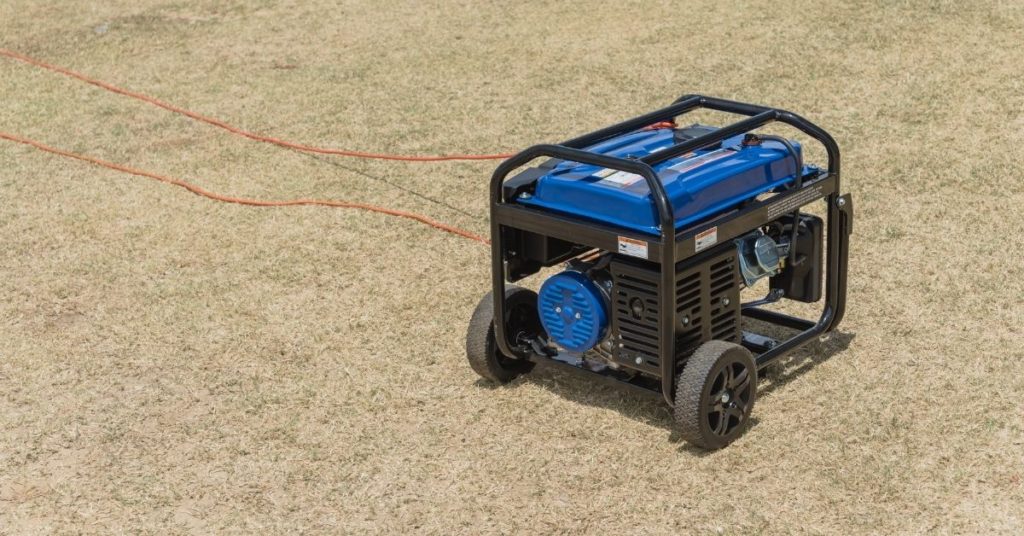
If you’re looking for the most budget-friendly entry point into backup power, portable generators deserve serious consideration. These gas or propane-powered workhorses range from a few hundred to a couple thousand dollars, making them accessible for most homeowners. You can check out our guide to top portable generator options to find the right fit for your needs.
The beauty of portable generators lies in their flexibility. Roll them out during storms, take them camping, or bring them to tailgate parties. They’re wonderfully versatile. However, they do come with important limitations. You’ll need to manually start them when power fails, position them outdoors to prevent carbon monoxide poisoning, and tolerate their noticeable noise levels.
For safe operation, always place your generator at least 20 feet from your home with the exhaust directed away from windows and doors. Never run them in garages or enclosed spaces, even with doors open. Use heavy-duty outdoor extension cords rated for the wattage you’re drawing, and consider a transfer switch for safer connections to your home’s electrical system.
Store gasoline properly in approved containers, and add fuel stabilizer if it’ll sit for more than 30 days. Run your generator monthly to keep it ready for emergencies.
Standby Generators: The Whole-Home Solution
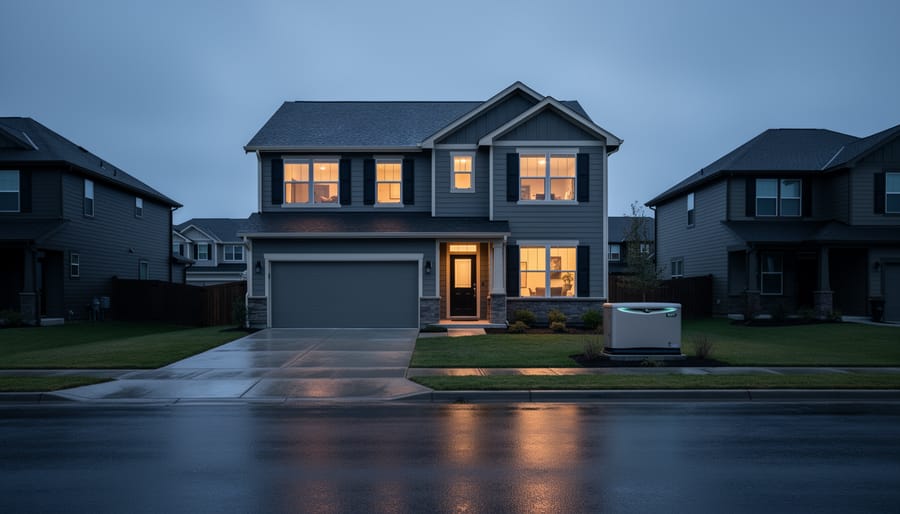
Imagine never scrambling for flashlights again. Standby generators are the set-it-and-forget-it champions of backup power, permanently installed outside your home like a trusty sentinel. Within seconds of an outage, these systems automatically spring to life, keeping everything from your refrigerator to your HVAC system running smoothly.
The two main fuel options each have their perks. Natural gas generators tap directly into your existing gas line, meaning you’ll never run out of fuel during extended outages. Propane systems offer similar reliability with the flexibility of tank storage, perfect if natural gas isn’t available in your area. Both deliver seamless, long-lasting power that portable units simply can’t match.
Installation does require professional help, including electrical permits and potentially a concrete pad, plus you’ll need an automatic transfer switch to safely manage the power transition. Costs typically range from $3,000 to $7,000 depending on your home’s size and complexity. Check out our standby generator reviews to find the right fit for your needs.
While the upfront investment feels substantial, consider the peace of mind during storm season and the added home value these systems provide. For families relying on medical equipment or home offices, they’re genuinely life-changing.
Battery Backup Systems: The Clean, Quiet Modern Option
If you’re looking for the ultimate in modern backup power, battery systems are turning heads—and for good reason. These sleek units, often powered by lithium-ion technology, represent a significant leap forward from traditional generators. Think of them as the smartphone of the backup power world: compact, intelligent, and incredibly efficient.
The biggest game-changer? Battery systems operate in complete silence. No rumbling engines at 2 a.m., no disturbing the neighbors, just seamless power when you need it. You can install them indoors—often in your garage or utility room—without worrying about exhaust fumes or ventilation requirements. They’re also wonderfully low-maintenance, with no oil changes or fuel stabilizers to fuss over.
When paired with solar panels, battery systems become even more impressive, creating a self-sustaining power ecosystem that reduces your reliance on the grid while shrinking your carbon footprint. Yes, the upfront investment runs higher than traditional generators—typically between $10,000 and $20,000 installed—but you’ll save on fuel costs and maintenance over time. They’re particularly brilliant for homes in noise-sensitive neighborhoods, those wanting solar integration, or anyone prioritizing environmental responsibility. If you’re planning to stay in your home long-term and value peace and sustainability, battery backup deserves serious consideration.

Solar Integration: Making Your Backup Power Work Smarter
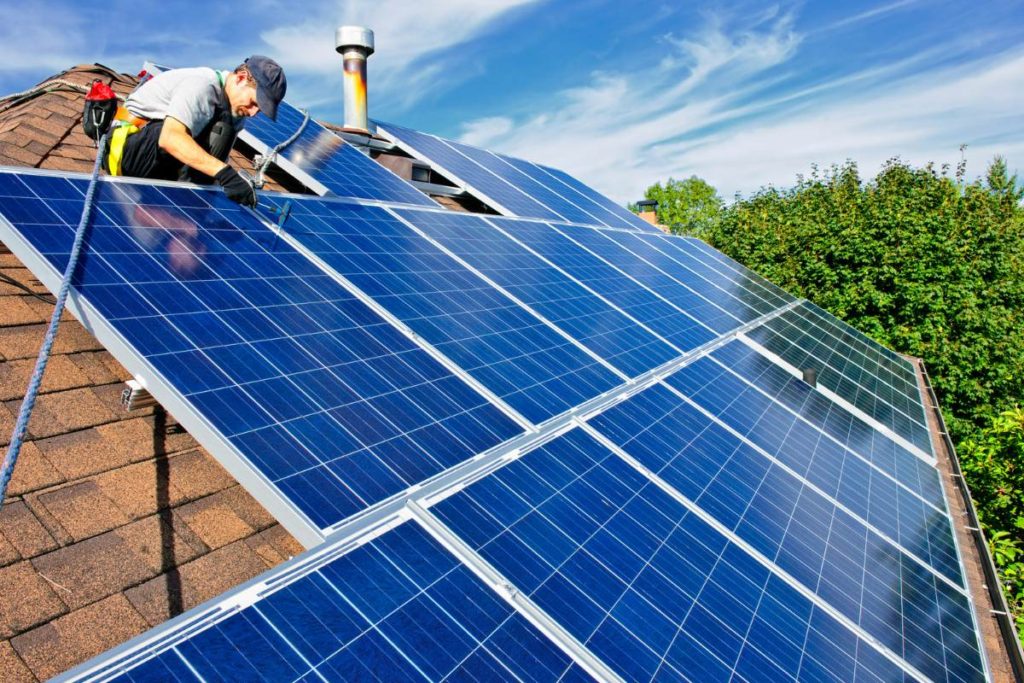
Imagine turning sunny days into energy savings while simultaneously protecting your home during outages. That’s the beauty of pairing solar panels with your backup battery system. Think of it as creating your own personal power plant that works around the clock—solar panels harvest energy during the day, your batteries store the excess, and you’re covered when the grid goes dark.
Here’s how the partnership works: Solar panels generate electricity when the sun’s shining, powering your home and charging your battery backup simultaneously. Any surplus energy can either be stored for later use or sent back to the grid (depending on your utility’s policies). When evening arrives or storms roll in, your batteries seamlessly take over, using that stored solar energy to keep your lights on and appliances running.
The financial benefits extend far beyond emergency preparedness. A solar-plus-storage system can dramatically reduce your electricity bills year-round by allowing you to use stored solar power during peak-rate hours when utility companies charge the most. Some homeowners report cutting their annual energy costs by 50-70%, essentially making their backup power system pay for itself over time.
Before diving in, consider your climate and home characteristics. Sunny regions like the Southwest naturally make solar integration more attractive, but don’t count it out if you live elsewhere—modern panels work efficiently even on cloudy days. Your roof’s orientation, available space, and shading from trees all play crucial roles in determining solar viability. There are important solar panel installation considerations that affect both performance and aesthetics.
The upfront investment is higher than battery-only systems, but federal tax credits (currently 30% of installation costs), state incentives, and long-term savings make solar-plus-storage increasingly accessible. For homeowners committed to sustainability and energy independence, this combination represents the smartest evolution in backup power technology.
What to Consider Before Making Your Choice
Budget Realities and Long-Term Value
Let’s be real: backup power systems aren’t impulse purchases. A portable generator might run you $500-$1,500, while a whole-home standby system with installation can easily hit $10,000-$25,000. Battery backup systems? Expect $15,000-$30,000 depending on capacity. Those numbers might make you gulp your coffee.
Here’s the thing though—think of this less like an expense and more like home insurance you can actually use. Many homeowners explore financing through home equity loans or manufacturer payment plans that spread costs over 5-10 years. Some utility companies even offer rebates for systems that can share power back to the grid during peak times.
The value proposition extends beyond emergency preparedness. Real estate agents consistently report that homes with backup power systems command premium prices, especially in areas prone to outages. You’re essentially future-proofing your investment while gaining immediate peace of mind. Consider your priorities: if you work from home, have medical needs, or simply can’t bear another spoiled freezer full of food, the long-term value quickly justifies the initial investment. Start with what you can afford now—even a basic portable generator beats sitting in the dark—and upgrade as your budget allows.
Installation Complexity and Professional Help
Let’s be honest—some backup power projects are perfect weekend DIY adventures, while others definitely need a professional’s touch. Understanding the difference will save you headaches and keep your home safe.
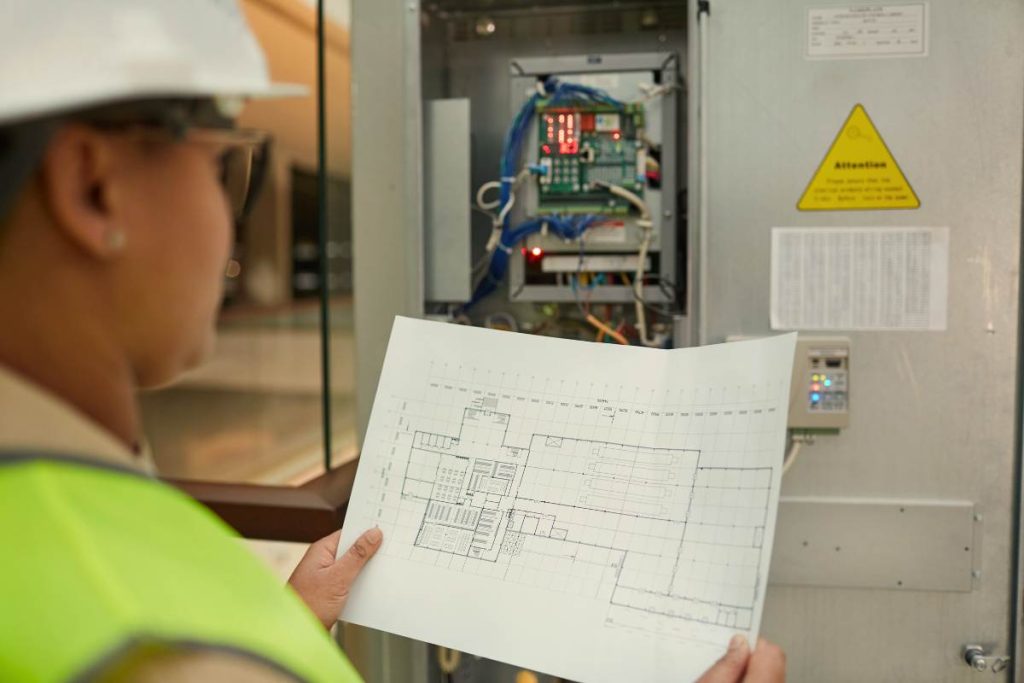
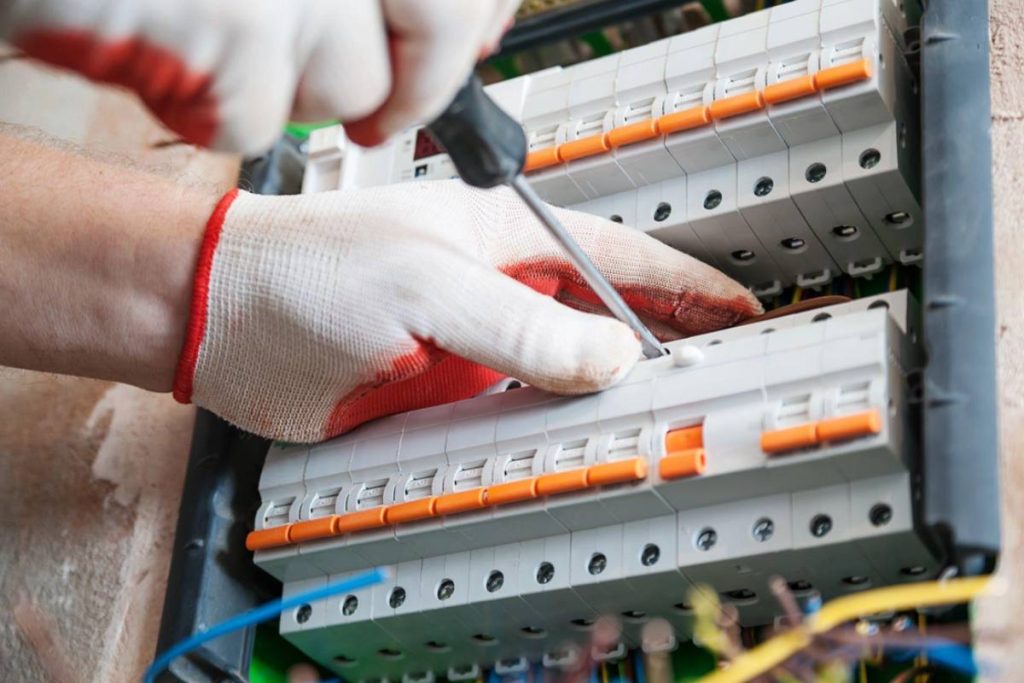
Portable generators and basic battery units are typically DIY-friendly. You can usually set these up yourself, though you’ll want an electrician to install a transfer switch for safe whole-home connection. Solar battery systems and permanent standby generators? Those are firmly in professional territory. These installations involve electrical panel work, gas line connections, and sophisticated system integration that requires licensed expertise.
Permitting is another reality check. Most permanent installations need permits from your local building department, and your utility company may need to approve grid-connected systems. The good news? Reputable installers handle this paperwork for you, though it does add time to your timeline.
Finding qualified installers starts with certifications. Look for NABCEP-certified solar installers, licensed electricians familiar with backup systems, and contractors with manufacturer-specific training. Check references, read reviews, and get multiple quotes. Don’t just compare prices—ask about warranty support and service availability.
Timeline-wise, expect portable solutions within days, while permanent installations typically take two to six weeks from consultation to completion. There will be some disruption—panel work, outdoor installation, system testing—but professionals should minimize the chaos and leave your home functioning throughout the process.
Maintenance Requirements You Can Actually Handle
Here’s the good news: maintaining your backup power system doesn’t require a degree in electrical engineering. Think of it more like caring for a car you only drive occasionally—just a little attention keeps everything ready when you need it.
For portable generators, you’re looking at seasonal oil changes (typically every 50-100 hours of use or annually) and keeping fresh fuel on hand. The biggest challenge? Actually remembering to run it for 15 minutes every month or two. Set a phone reminder for the first Saturday of each month—problem solved. Clean the air filter occasionally, and you’re pretty much done.
Standby generators require professional servicing once or twice yearly, which your installer can usually arrange. Between visits, you’ll just verify it runs during its weekly self-test and keep an eye on oil levels. Most modern units send you alerts if something needs attention, taking the guesswork out of the equation.
Battery systems are remarkably hands-off. Lithium batteries basically take care of themselves, just check the monitoring app periodically to ensure everything’s charging properly. It’s honestly easier than maintaining your smoke detector.
Solar panels need occasional cleaning—think of it as washing your windows. Depending on your location, rain might handle this naturally, or you might spray them down once or twice a year.
The secret to successful maintenance is treating it like any other home system. Add it to your seasonal home care routine alongside HVAC filter changes and gutter cleaning, and it becomes just another checkbox rather than a daunting technical challenge.
Making It Work with Your Home’s Design
Let’s be honest: when most people think about backup power systems, they picture an industrial-looking metal box that screams “utility equipment” rather than “stylish home upgrade.” But here’s the good news—with a bit of planning and creativity, your backup power system can blend seamlessly into your home’s design, or even become a feature you’re proud to show off.
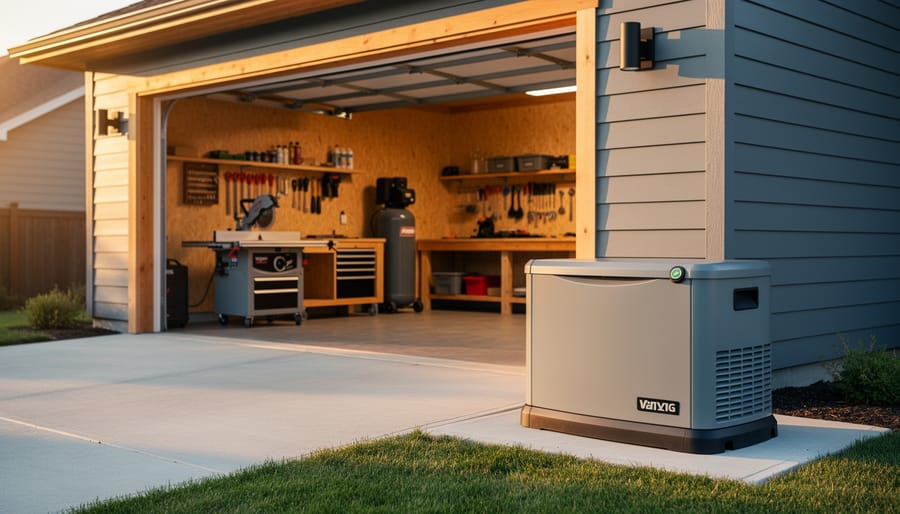
For outdoor generators, location is everything. While many homeowners tuck them behind the garage or alongside an air conditioning unit, consider going a step further with strategic landscaping. A well-placed row of ornamental grasses or a decorative lattice screen can transform an eyesore into a garden accent. One homeowner in suburban Atlanta created a small “utility garden” complete with river rocks and native shrubs that completely concealed her standby generator while maintaining proper ventilation clearances.
Speaking of ventilation, this is non-negotiable for safety, but it doesn’t have to be unsightly. Most generators need at least three feet of clearance on all sides. Work with these requirements by creating a dedicated alcove with attractive fencing that allows airflow while blocking the view from your main entertaining areas.
Noise management deserves attention too. Modern standby generators are surprisingly quiet during operation, but placement still matters. Position units away from bedroom windows and outdoor living spaces when possible. Some homeowners invest in generator enclosures specifically designed for sound dampening—these come in various finishes that can complement your home’s exterior.
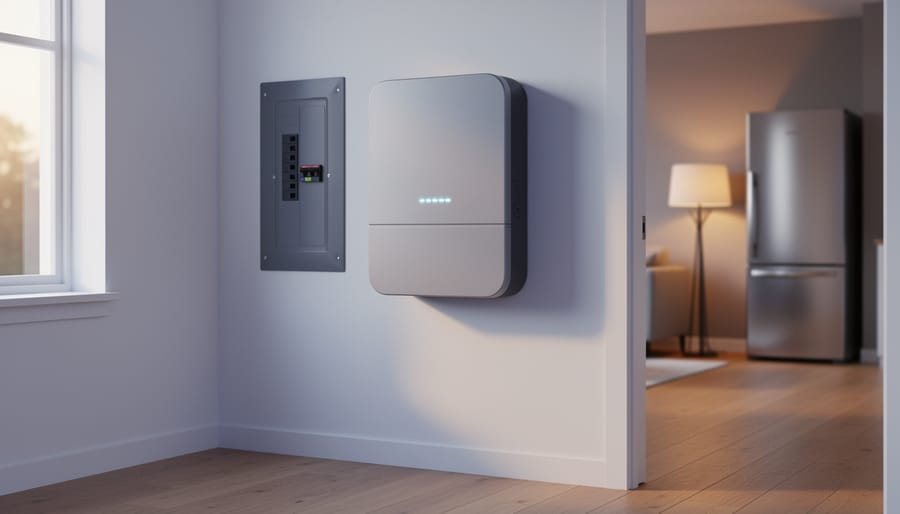
For indoor battery systems, you’re in luck. Today’s sleek units like the Tesla Powerwall mount flush against garage or basement walls, looking more like modern art than emergency equipment. They’re compact enough to fit in utility closets and require minimal clearance. Some creative homeowners have even incorporated battery systems into mudroom designs, treating them like any other built-in feature.

You’ve now got all the pieces to make an informed decision about your home backup power system. Whether you’re leaning toward a portable generator for occasional outages, a whole-home standby system for complete peace of mind, or a solar-plus-battery setup that aligns with sustainability goals, the right choice comes down to your unique needs, budget, and priorities.
Remember the key decision points: how much power you actually need during an outage, how quickly you want backup to activate, your available budget for both upfront costs and ongoing maintenance, and whether fuel storage or noise levels matter in your neighborhood. There’s no one-size-fits-all answer, and that’s actually good news because it means you can customize a solution that fits your household perfectly.
Think of backup power not just as insurance against the inconvenience of outages, but as a genuine home upgrade that adds value and functionality to your property. It’s an investment in your family’s comfort, safety, and resilience. The confidence that comes from knowing your refrigerator will keep running, your sump pump will protect your basement, and your home office can stay operational during storms is genuinely empowering.
Take that next step with confidence. Whether you start by consulting with a local electrician, requesting quotes from installers, or simply mapping out which circuits matter most to you, you’re moving toward real preparedness. The peace of mind waiting on the other side is absolutely worth it.