
Compare prices across at least three retailers before making any tool purchase, using dedicated comparison websites and manufacturer listings to identify the best value for features you actually need. Look beyond the sticker price to evaluate warranty terms, included accessories, and return policies—these often reveal the true cost of ownership and can save you hundreds on a complete toolkit.
Check user reviews on multiple platforms rather than relying on a single source, paying special attention to comments about durability and real-world performance from people tackling projects similar to yours. Professional reviews provide technical specifications, but homeowner experiences tell you whether that drill will actually survive weekend warrior use or if those saw blades dull after three cuts.
Test the physical feel of tools whenever possible before buying, since ergonomics and weight distribution dramatically affect your ability to work comfortably for extended periods. What feels balanced in someone else’s hands might cause fatigue in yours, and no amount of online research replaces the insight you gain from a hands-on assessment at your local hardware store.
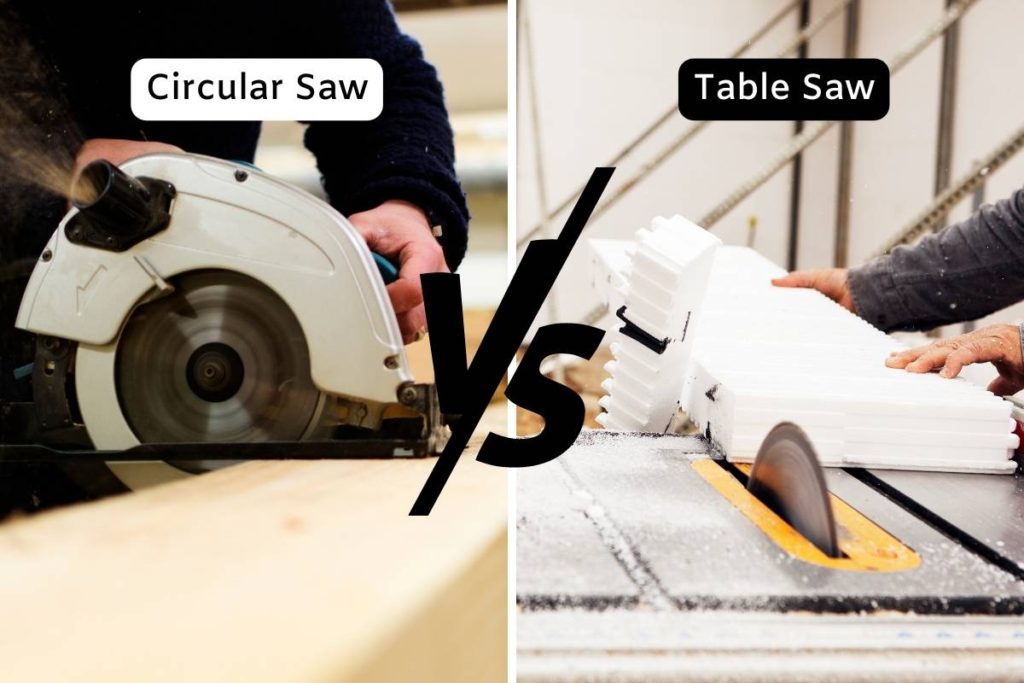
Focus comparison efforts on items where quality differences significantly impact results and safety. When building your toolbox, invest comparison time in power tools, measuring instruments, and safety equipment rather than commodity items like basic fasteners. A thorough evaluation of your circular saw options matters more than agonizing over which hammer to choose, since performance variations among reputable hammer brands remain minimal while saw quality spans an enormous range affecting cut precision, safety features, and longevity.
What Makes a Comparison Tool Actually Useful

The Information That Actually Matters
When you’re comparing tools for your next home improvement project, it’s easy to get lost in a sea of specifications and flashy features. Let’s cut through the noise and focus on what truly matters for your purchase.
Start with price, but don’t make it your only consideration. The cheapest option rarely delivers lasting value, while the most expensive doesn’t guarantee the best performance. Look for the sweet spot where cost aligns with the quality you need for your specific project. A weekend DIYer probably doesn’t need the same heavy-duty drill that a professional contractor uses daily.
Durability should be your second checkpoint. Read beyond the marketing claims and dive into user reviews that mention how tools perform after months or years of use. Someone who’s replaced their circular saw three times has valuable insights you won’t find in the product description.
Speaking of reviews, prioritize ones that describe real-world applications similar to yours. A glowing five-star review from someone who used a tool once carries less weight than a four-star review detailing performance across multiple projects.
Don’t overlook warranty coverage. A solid warranty signals manufacturer confidence and protects your investment. Similarly, check availability of replacement parts and accessories. That amazing tool becomes frustrating when you can’t find compatible blades or batteries locally.
Finally, ignore gimmicky features that sound impressive but add little practical value to your actual projects. Focus on functionality that serves your specific needs rather than collecting bells and whistles you’ll never use.
When Simple Beats Complex
Here’s the thing about comparison tools: the fanciest ones aren’t always the most helpful. You know that feeling when you’re standing in the garden center, staring at twenty different types of mulch, and you just need to know which one prevents weeds best and lasts longest? The comparison tool that wins isn’t the one with seventeen data points and scientific jargon. It’s the one that gives you those two critical answers, clearly, in about ten seconds.
The best tools strike that sweet spot between thoroughness and simplicity. Take comparing patio furniture, for example. A great tool shows you weather resistance ratings, price per piece, and warranty info at a glance. It doesn’t bury you in thread counts for cushion fabric or the molecular structure of aluminum alloys. Similarly, when you’re choosing between paint brands for your kitchen refresh, you want coverage per gallon, dry time, and durability scores, not a chemistry lesson.
Think of comparison tools as your shopping sidekick, not your encyclopedia. They should illuminate your decision, not complicate it. The magic happens when complex data gets translated into insights you can actually use while standing in the aisle with your phone in one hand and paint samples in the other.
Types of Comparison Tools for Different Home Projects

Price Comparison Platforms
When you’re furnishing a room or upgrading appliances, finding the best price can feel like a full-time job. That’s where price comparison platforms become your shopping sidekick. These tools scan multiple retailers simultaneously, showing you where that gorgeous sectional sofa or energy-efficient refrigerator costs the least.
Popular platforms like Google Shopping, PriceGrabber, and Shopzilla aggregate listings from countless stores, letting you filter by features, read reviews, and track price histories. Many even send alerts when items drop below your target price—perfect for patient shoppers willing to wait for the right deal.
What makes these tools especially valuable for home improvement projects is their ability to compare not just identical items, but similar products across brands. Shopping for a dishwasher? You can easily see how models stack up in terms of price, features, and customer satisfaction scores. Some platforms even factor in shipping costs and estimated delivery times, giving you the complete picture.
The beauty of price comparison tools is simple: they put market power back in your hands. Instead of wondering if you’re overpaying, you’ll shop with confidence knowing you’ve found the sweet spot between quality and value.
Feature-Focused Comparison Tools
When you’re standing in the hardware aisle trying to choose between two drill models or picking out the perfect deck stain, feature-focused comparison tools become your best friend. These digital helpers let you place products side-by-side to examine specifications, warranties, and performance ratings all at once—no more juggling multiple browser tabs or scribbling notes on the back of receipts!
Think of these tools as your personal shopping assistant. When comparing power tools, you can quickly see differences in motor power, weight, and battery life. For flooring materials, you’ll spot variations in durability ratings, water resistance, and maintenance requirements. Paint comparison tools reveal coverage per gallon, drying times, and finish types—incredibly helpful when you’re trying to achieve that perfect kitchen makeover.
The beauty of evaluating tool specifications through these platforms is they organize information in digestible chunks. Many manufacturer websites now offer built-in comparison features, while third-party sites aggregate data from multiple brands. Look for tools that include customer ratings alongside technical specs—real-world experiences often reveal details that specification sheets miss. This approach transforms overwhelming product research into confident decision-making, ensuring your hard-earned money goes toward exactly what your project needs.
Review Aggregators and Rating Systems
Think of review aggregators as your trusted neighborhood advisors, gathering insights from dozens of homeowners who’ve already tackled that bathroom renovation or installed those energy-efficient windows you’re eyeing. These platforms compile real experiences from people just like you, alongside expert evaluations, creating a comprehensive picture of how products actually perform in everyday homes.
Sites like Consumer Reports, Trustpilot, and specialized home improvement forums collect thousands of ratings and detailed reviews, helping you sidestep potential disappointments. When you’re comparing deck stains, for instance, seeing that 200 homeowners in climates similar to yours gave a product four stars after three years of use provides invaluable context that manufacturer claims simply can’t match.
The beauty of these systems lies in their transparency. You’ll discover not just what works, but what doesn’t—like that gorgeous kitchen faucet with a stunning finish that unfortunately develops leaks within six months, or the budget paint sprayer that surprisingly outperforms pricier alternatives. Pay attention to patterns in reviews rather than isolated complaints, and look for feedback from users with projects similar to yours. Many platforms even verify purchases, ensuring the opinions you’re reading come from genuine users rather than promotional content, giving you confidence as you move forward with your home improvement decisions.
How to Evaluate a Comparison Tool Before You Trust It
Checking for Hidden Bias and Sponsored Content
Not all comparison tools have your best interests at heart. Some are designed to gently (or not so gently) nudge you toward specific products that earn them higher commissions. Here’s how to spot the red flags.
First, check if the same brand mysteriously wins every category. If one paint sprayer is crowned “best overall,” “best value,” and “best for beginners,” something’s probably up. Genuinely helpful tools acknowledge that different products excel in different areas.
Look for disclosure statements. Reputable sites clearly explain their affiliate relationships upfront, usually near the top of the page or in their methodology section. If you can’t find any mention of how they make money, that’s worth questioning.
Pay attention to oddly specific praise. Phrases like “revolutionary patented technology” or suspiciously glowing language that sounds like marketing copy might indicate sponsored content. Honest reviews include both strengths and genuine drawbacks.
Check multiple sources. If one comparison tool rates a cordless drill as phenomenal but everywhere else it gets mediocre reviews, trust the crowd wisdom. Cross-referencing takes extra time, but it’s worth it when you’re investing in quality tools for your home projects.
Finally, notice the publication dates. A comparison tool recommending last year’s model as the “best choice” when newer versions exist might be pushing old inventory for quick commissions rather than serving your needs.
Data Freshness and Update Frequency
Let’s be real—nothing’s more frustrating than planning a kitchen renovation based on comparison data, only to discover those gorgeous pendant lights were discontinued three months ago or that the price jumped 30% since the review. This is why data freshness matters tremendously when you’re using comparative tools for home improvement decisions.
The best comparison platforms update their information regularly, sometimes daily for pricing and availability. Look for tools that display a “last updated” timestamp on their comparison pages—if you can’t find one, that’s a red flag. Product lines evolve quickly in the home improvement world. Manufacturers discontinue colors, introduce improved versions, and adjust pricing based on materials costs and market demand.
To verify a tool stays current, check multiple data points. Compare the prices shown against what you see directly on retailer websites. If there’s a significant gap, the tool might be working with stale information. Also, browse recent user reviews within the platform itself—active communities and fresh feedback indicate the tool is maintaining relevant, up-to-date listings.
Smart comparative tools will also flag when products are out of stock or note recent specification changes, helping you make informed decisions based on what’s actually available right now, not last season’s inventory.
User Experience Red Flags
Not all comparison tools are created equal, and spotting the red flags early can save you both time and frustration. If you land on a site that bombards you with pop-up ads before you can even view a single product comparison, that’s your first clue to look elsewhere. These intrusive distractions often signal that the site prioritizes ad revenue over providing genuinely helpful information for your home improvement decisions.
Watch out for confusing layouts where finding the actual comparison data feels like solving a puzzle. If you’re clicking through multiple pages just to see basic specifications or pricing, the tool isn’t working for you. Quality comparison platforms make information accessible at a glance, not buried beneath layers of clutter.
Another major warning sign is the absence of filtering and sorting options. Imagine trying to compare fifteen different paint sprayers without being able to filter by price range, brand, or features. That’s not a helpful tool, that’s a headache. The best comparison resources let you narrow down choices based on what matters most to your specific project, whether that’s budget, performance ratings, or customer reviews. Trust your instincts: if a comparison tool feels more complicated than the project itself, keep searching for better options.
Getting the Most from Your Comparison Shopping
Comparing Apples to Apples in Home Projects
Here’s the honest truth: not all gallons of paint are created equal, and that $15 drill might not stack up against its $45 counterpart in ways that actually matter for your project. When you’re evaluating products for your home, comparing price tags alone is like judging a book by its cover—you’re missing the whole story.
Let’s talk paint first. You’ve probably noticed wildly different prices per gallon and wondered what’s going on. The secret lies in coverage area and quality. A cheaper gallon might only cover 250 square feet and require three coats, while a premium option covers 400 square feet in two coats. Suddenly, that bargain isn’t looking so economical. When using matching material quality becomes your baseline for comparison, you’ll make smarter choices.
The same principle applies to power tools. That bargain drill might boast similar voltage, but check the torque rating, battery life, and chuck size. These specs determine whether you’ll breeze through your deck project or need frequent charging breaks. Good product buying guides break down these details so you’re comparing actual performance, not just surface specifications.
Think of it this way: you want to compare the full package—durability, coverage, power, and long-term value—not just the sticker price. When you align these factors properly, you’ll discover which products truly deliver bang for your buck and which ones are masquerading as deals.

Beyond the Numbers: What Comparison Tools Can’t Tell You
While comparison tools are incredibly helpful for narrowing down your options, they can’t capture everything that matters in a home improvement decision. Think of them as your starting point, not your finish line.
Here’s what even the best comparison tools often miss: the actual feel of materials in your hands, how a paint color looks in your specific lighting, or whether that faucet feels sturdy when you turn it. These tactile experiences matter tremendously when you’re creating a space you’ll live with every day. A tile might look perfect in photos and check all the specification boxes, but once you see it in person, you might discover it doesn’t complement your existing décor the way you imagined.
Design chemistry is another element that defies digital comparison. The way colors, textures, and finishes work together in your unique space requires aesthetic judgment that goes beyond ratings and specs. Sometimes the slightly lower-rated cabinet hardware becomes the perfect accent piece that ties your kitchen together.
This is where hands-on shopping trips become invaluable. Request samples whenever possible, visit showrooms, and don’t hesitate to consult with design professionals for projects where visual impact is crucial. Use comparison tools to create your shortlist and understand the technical differences, but trust your instincts and personal preferences for the final decision. After all, you’re not just buying products—you’re crafting a home that reflects your style and meets your family’s needs.
At the end of the day, comparison tools are meant to make your life easier, not add another layer of complexity to your home improvement journey. When used thoughtfully, these digital resources become your trusted sidekick, helping you cut through the noise and zero in on products and services that truly fit your vision and budget. Think of them as your research assistant, doing the heavy lifting so you can spend more energy on the fun stuff like choosing paint colors and imagining how that new backsplash will transform your kitchen.
The key is finding that sweet spot between digital research and your own instincts. Let comparison tools handle the data-driven heavy lifting—pricing, specifications, customer ratings—while you bring your unique style preferences and specific project needs to the table. After all, no algorithm can capture exactly how a certain tile texture makes you feel or whether a particular fixture speaks to your design aesthetic.
Remember, the best comparison tool is one that simplifies your decision-making process, not one that overwhelms you with endless options and conflicting information. When you find that right fit, you’ll notice how quickly you move from research paralysis to confident action. Armed with solid information and a clear sense of direction, you can shift your focus back where it belongs: bringing your creative vision to life and transforming your space into something that truly reflects who you are. That’s when home improvement becomes less about stress and more about joy.