Cold weather can be tough on a home’s plumbing system. As temperatures drop, pipes, fixtures, and water heaters are exposed to conditions that can lead to costly damage if proper precautions are not taken. Frozen pipes, burst water lines, and reduced system efficiency are just a few of the problems homeowners may face during the winter months. While many people think of heating systems first when preparing for cold weather, protecting your plumbing is equally important. Working with an experienced HVAC contractor can help ensure your home remains comfortable while supporting efforts to prevent cold-weather plumbing issues.
Understand the Risk of Frozen Pipes
One of the biggest plumbing concerns during winter is frozen pipes. When water inside a pipe freezes, it expands. This expansion can place tremendous pressure on the pipe walls, potentially causing cracks or even complete ruptures.
Pipes located in unheated areas such as basements, crawl spaces, attics, garages, and exterior walls are especially vulnerable. Even a small crack can release significant amounts of water once temperatures rise and the ice begins to thaw.
Insulate Exposed Pipes
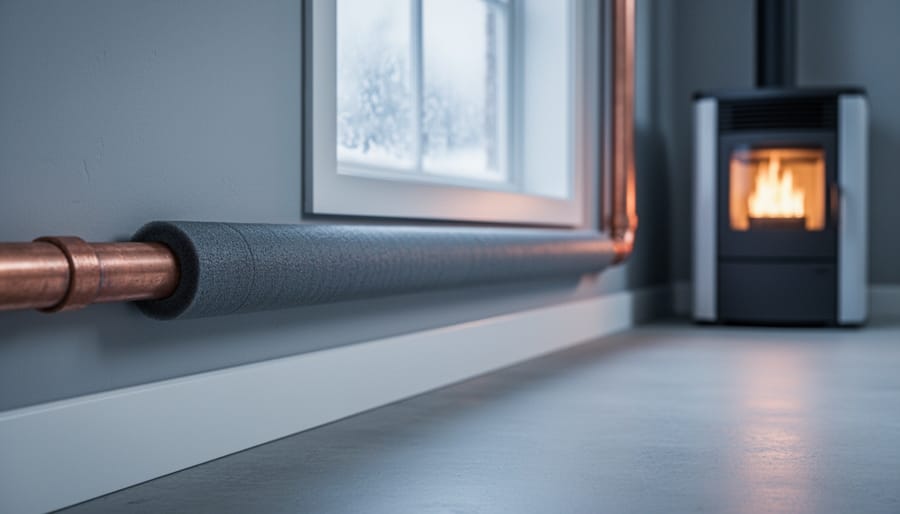
Adding insulation is one of the simplest and most effective ways to protect plumbing during cold weather. Foam pipe insulation is widely available and can help reduce the risk of freezing by slowing heat loss.
Pay special attention to pipes located in areas that receive little or no heat. Insulating exposed plumbing can be a relatively inexpensive project that helps prevent expensive repairs later.
Maintain Consistent Indoor Temperatures
Many homeowners lower thermostat settings to save money during winter, especially when leaving the house for extended periods. However, allowing indoor temperatures to drop too low can increase the risk of frozen pipes.
Keeping your home consistently heated helps protect both plumbing and other household systems. A qualified HVAC contractor can ensure your heating system is operating efficiently so it can maintain reliable temperatures throughout the winter season.
Seal Drafts and Air Leaks
Cold air entering through gaps around windows, doors, and utility penetrations can increase the likelihood of pipe freezing. Sealing these openings with weatherstripping or caulk helps keep warm air inside and cold air outside.
This not only protects plumbing but can also improve energy efficiency and reduce heating costs throughout the winter months.
Disconnect Outdoor Hoses
Outdoor faucets and hose connections are often overlooked when preparing for cold weather. Leaving hoses attached can trap water inside exterior plumbing, increasing the risk of freezing and damage.
Before temperatures fall below freezing, disconnect garden hoses, drain outdoor faucets if possible, and install protective faucet covers for additional insulation.
Let Faucets Drip During Extreme Cold
During particularly cold nights, allowing faucets to drip slightly can help reduce the risk of frozen pipes. Moving water is less likely to freeze than standing water.
This simple precaution is especially helpful for plumbing located along exterior walls or in other vulnerable areas of the home.
Inspect Your Water Heater
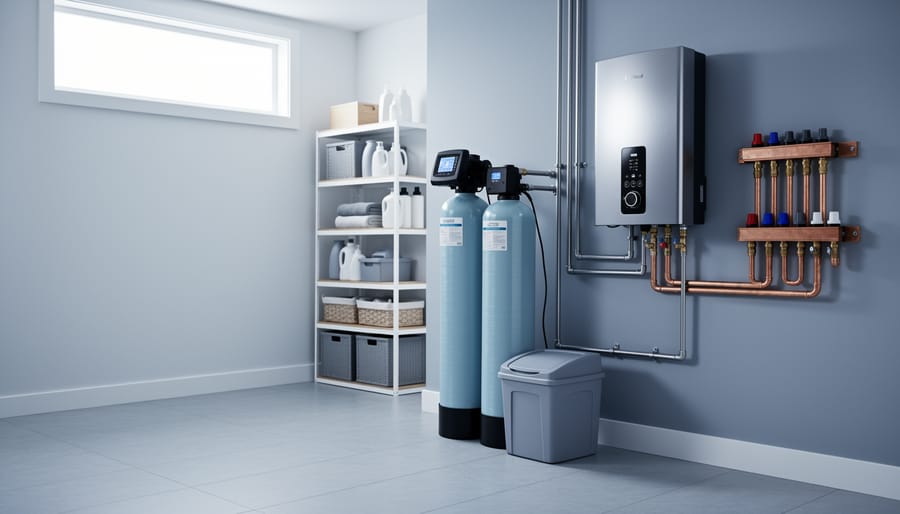
Winter places additional demands on water heaters as incoming water temperatures become colder. Scheduling routine maintenance can help ensure your water heater operates efficiently throughout the season.
Homeowners should watch for signs of trouble such as inconsistent water temperatures, unusual noises, or leaks around the unit. Addressing these issues early can help avoid unexpected disruptions.
Be Prepared Before Winter Arrives
Protecting your plumbing during cold weather requires a combination of preparation and ongoing attention. Insulating pipes, sealing air leaks, maintaining indoor temperatures, and monitoring plumbing systems can help reduce the risk of costly damage.
Partnering with a trusted HVAC contractor can also help ensure your home’s heating system supports overall winter protection efforts. With proper planning, homeowners can keep their plumbing systems safe and functional throughout even the coldest months of the year.