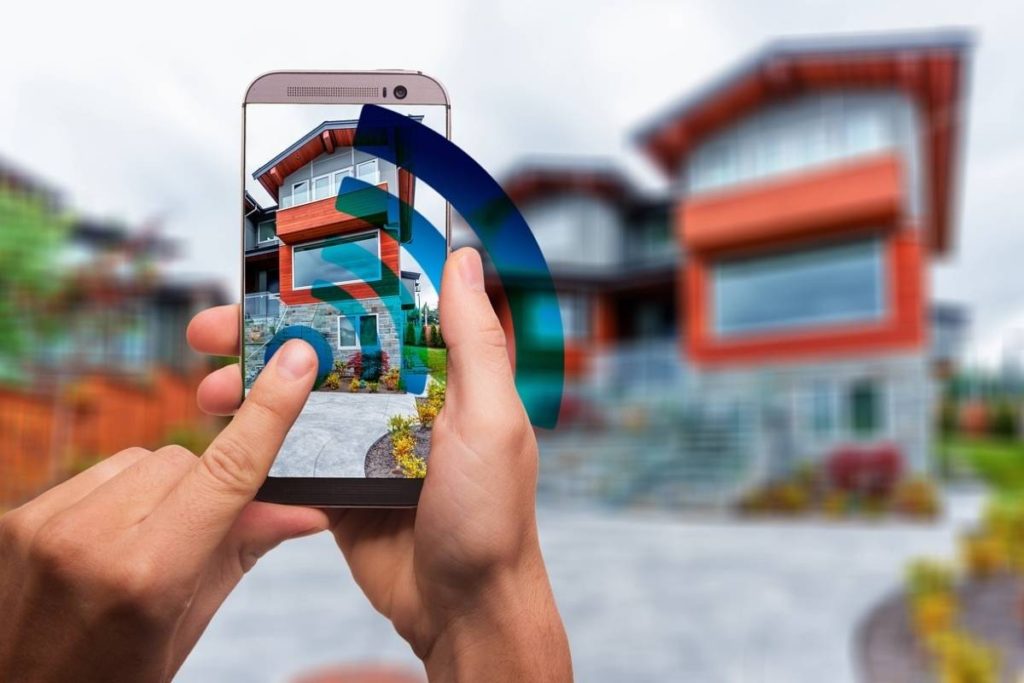

Your home deserves protection that works as hard as you do, and today’s residential security camera systems deliver that peace of mind without requiring a degree in technology. Gone are the days when comprehensive home security meant expensive professional installations and confusing control panels. Modern camera systems now offer crystal-clear video, smartphone notifications, and seamless integration with your existing smart home devices, all at price points that fit real family budgets.
The challenge isn’t whether camera-based security works—it absolutely does, with studies showing visible cameras deter up to 60% of potential break-ins—but rather which system matches your home’s unique layout, your family’s daily routines, and your comfort level with technology. Whether you’re safeguarding a cozy starter home, monitoring package deliveries at your front porch, or simply wanting eyes on your property while you’re away, understanding the fundamentals of camera placement, recording options, and monitoring capabilities transforms an overwhelming decision into an empowering home improvement project. This guide walks you through everything you need to choose, install, and maximize a security system that fits seamlessly into your life.
Why Modern Homes Need More Than Just Locks
Remember when securing your home meant double-checking the deadbolt before bed? Those days feel almost quaint now. While sturdy locks remain important, they’re just one piece of a much larger security puzzle that modern homeowners need to solve.
Here’s the reality: traditional locks can only do so much. They might slow down an intruder, but they can’t tell you who’s approaching your porch, catch package thieves in the act, or help you keep tabs on what’s happening around your property when you’re away. Think about it—a determined burglar can pick a lock or simply break a window, and you’d never know until you arrived home to discover the damage.
This is where visual monitoring transforms everything. Imagine receiving a notification on your phone showing a stranger lingering near your garage at 2 AM, or being able to prove to police exactly what happened during a break-in attempt. These aren’t far-fetched scenarios—they’re everyday situations where camera-equipped security systems make the crucial difference.
Consider Sarah, a homeowner who thought her neighborhood was safe until cameras revealed someone routinely testing car door handles at night. Or Mike, who finally caught the neighbor’s dog destroying his garden furniture. These visual records provide accountability and evidence that locks simply cannot offer.
Today’s essential home security items extend beyond physical barriers to include eyes that never sleep. Cameras deter criminals who know they’re being watched, help you monitor deliveries, check on pets, and even greet visitors remotely. They’ve evolved from luxury add-ons to fundamental components of comprehensive home protection, giving you peace of mind that extends far beyond what any lock can provide.

What Makes a Security Camera System Actually Work
Indoor vs. Outdoor Cameras: Finding Your Balance
Think of indoor and outdoor cameras as partners in your home’s security team—each has a distinct role to play. Outdoor cameras are your first line of defense, monitoring entry points like front doors, driveways, and backyards. They need weatherproof housing and night vision to handle everything Mother Nature throws at them. Indoor cameras, on the other hand, keep watch over interior spaces like hallways, living rooms, or anywhere you store valuables.
Here’s a practical approach: start by covering your home’s perimeter with outdoor cameras at main entry points. Then add indoor cameras strategically—not in every room, which feels excessive and invades privacy, but in key transition areas where someone would need to pass through. A camera covering your main hallway, for instance, captures movement throughout multiple rooms without requiring five separate devices.
Most homes achieve solid coverage with 2-3 outdoor cameras and 1-2 indoor ones. This balanced approach gives you comprehensive security without turning your home into a surveillance fortress. Remember, the goal is peace of mind, not creating an environment where you feel watched in your own space.
Resolution and Night Vision: Seeing What Matters
When shopping for security cameras, you’ll see resolution numbers thrown around like 1080p, 2K, and 4K. Here’s the practical truth: 1080p is perfectly adequate for most homes. It captures clear faces and details up to about 20 feet away, which covers most driveways and front porches beautifully. If you have a long driveway or want to monitor a large backyard, 2K offers that extra clarity without breaking the bank. Save 4K for specific problem areas where you need license plate details.
Now, night vision is where things get interesting. Many homeowners discover too late that their budget camera looks great in daylight but turns into a grainy mess after sunset. Look for cameras with infrared LEDs that illuminate at least 30 feet, and consider color night vision technology if your budget allows. This feature uses ambient light from streetlamps or porch lights to maintain color footage at night, making it much easier to identify that burgundy sedan or blue jacket. Think of night vision quality as your camera’s real superpower. After all, most unwanted activity happens when it’s dark, so this specification deserves more attention than many people realize during their initial research.
Smart Features That Actually Add Value
Modern security cameras come packed with smart home security features that transform them from simple recording devices into proactive home guardians. Motion detection has evolved beyond basic movement sensing—today’s systems can distinguish between a delivery person, your pet, and swaying tree branches, dramatically reducing false alarms that once made you ignore notifications altogether.
Smartphone alerts put your home’s security status right in your pocket. Imagine receiving a notification while grocery shopping that someone’s at your front door, then using two-way audio to tell the delivery driver where to leave your package. It’s like having a doorbell conversation from anywhere.
AI-powered person detection takes things further by learning your household patterns. The system recognizes familiar faces and alerts you only when strangers appear, giving you genuine peace of mind without constant interruptions. Some cameras even identify package deliveries specifically, so you know exactly when that important order arrives. These aren’t just fancy add-ons—they’re practical tools that make security systems work smarter, not harder, fitting seamlessly into your daily routine while keeping your home genuinely safer.
Types of Camera Systems for Different Homes

Wireless All-in-One Systems
Wireless all-in-one systems have revolutionized home security, making professional-grade protection accessible to everyone, whether you’re renting your first apartment or own your forever home. These systems shine because they require zero drilling through walls or complicated wiring—just mount the cameras, sync them with your hub or smartphone, and you’re protecting your space in an afternoon.
The beauty of going wireless lies in flexibility. Moving next year? Take your system with you. Want to reposition a camera? Simply unmount and relocate it without patching drywall holes. Most wireless systems connect through your home’s Wi-Fi network and offer features like motion detection, night vision, and smartphone alerts that rival professionally installed options.
On the pros side, you’ll love the straightforward setup, portability, and typically lower upfront costs. Many systems operate on rechargeable batteries or solar panels, eliminating outlet dependency. However, keep the cons in mind: batteries need regular recharging, Wi-Fi connectivity issues can disrupt coverage, and video quality sometimes depends on your internet speed.
Popular options include Ring, SimpliSafe, and Arlo systems, which bundle cameras, sensors, and user-friendly apps. They’re perfect starter systems that grow with your needs, letting you add cameras or sensors as your security awareness develops. For DIY enthusiasts, the satisfaction of self-installation adds another rewarding dimension to protecting your home.
Wired Professional-Grade Systems
If you’re building a new home, undergoing major renovations, or simply want the most reliable connection possible, wired professional-grade systems deserve serious consideration. These systems shine in larger homes where signal strength matters, properties with masonry walls that interfere with wireless signals, or situations where you’re already opening walls for other improvements.
Think of hardwired systems as the backbone of your security setup. They run on dedicated cabling rather than WiFi, which means no dropped connections during critical moments and no bandwidth concerns if everyone’s streaming movies while the cameras record. Professional installation typically takes one to three days, depending on your home’s size and complexity. Installers will run cables through attics, crawl spaces, or along baseboards, then connect everything to a central hub.
The upfront investment runs higher than wireless alternatives, but you’re gaining rock-solid reliability and future-proofing. These systems often integrate seamlessly with whole-home automation, creating a cohesive smart home experience. If you’re already planning electrical work or drywall repairs, bundling security installation with those projects makes financial sense. The result is a clean, professional setup that adds genuine value to your property while providing peace of mind for years to come.
Hybrid Solutions for Growing Needs
Think of hybrid security systems as the grow-with-you solution for your home. Maybe you’re starting with just a front door camera and motion sensor today, but wouldn’t it be nice to know you could add more cameras, door sensors, or smart locks down the road without starting from scratch?
That’s exactly what hybrid systems offer. These flexible setups typically combine wireless convenience with the reliability of wired connections where you need them most. You might hardwire cameras at key entry points for consistent power and video quality, while using wireless sensors on windows and doors that would be tricky to reach with cables.
The real beauty here is scalability. Start small with your budget and most vulnerable areas, then expand as your needs change or your family grows. Planning to finish that basement next year? Add cameras when you’re ready. Converted the garage into a home office? Pop in another sensor without reinventing your entire system.
Many hybrid systems also let you mix and match brands and technologies, which means you’re not locked into one manufacturer’s ecosystem forever. This is particularly helpful if you discover a specialized camera or feature you want to add later.
For the DIY enthusiast, hybrid systems strike that perfect balance between manageable installation and professional-grade results. You get the satisfaction of setting up your own security without wrestling with complicated wiring throughout your entire house. Plus, as your confidence grows, you can tackle more advanced additions whenever you’re ready.
Setting Up Your System: What Actually Works
Strategic Camera Placement That Criminals Hate
Think like a burglar for a moment—where would you look for easy entry? Most break-ins happen through predictable spots, and placing your cameras strategically at these vulnerable points is your first line of defense in preventing security breaches.
Start with your front door and porch area. Position a camera at a downward angle to capture facial features rather than just the tops of heads. Mount it high enough to avoid tampering but angled to show package deliveries and visitors clearly. A height of 9-10 feet typically works beautifully.
Your driveway deserves special attention since it reveals who’s coming and going. Place cameras to capture license plates and vehicle details, ideally positioning them where headlights won’t create glare at night. Corner mounting often provides the widest coverage.
Back entrances are criminals’ favorite targets because they’re hidden from street view. Install cameras covering back doors, sliding glass doors, and basement windows. Many homeowners forget these areas, but statistics show rear entry attempts are incredibly common.
Don’t overlook side gates and alleyways leading to your backyard. These pathways offer sneaky access points that deserve monitoring. Consider overlapping camera views at corners where two sides of your house meet—this eliminates blind spots where intruders might hide.
Ground-floor windows, especially those obscured by landscaping, need coverage too. A single well-placed camera can monitor multiple windows simultaneously with the right angle. Remember, visible cameras also serve as powerful deterrents, so placement that’s obvious yet protected works double duty for your home’s security.
The Installation Mistakes Everyone Makes
Even the best security camera won’t protect your home if it’s pointed at the wrong spot. One of the most common mistakes homeowners make is placing cameras too high or at awkward angles, which captures lots of sky but misses faces and important details. Aim for a height of 8-10 feet, angled slightly downward to catch clear views of people approaching.
Another frequent slip-up? Forgetting about WiFi strength during installation. That camera mounted at your front gate looks great until you realize the signal barely reaches. Test your connection before permanently mounting anything, and consider WiFi extenders for distant locations.
Many DIYers also overlook lighting conditions. Cameras facing windows or direct sunlight create glare that obscures everything important. Position cameras with the sun behind them when possible, and check footage at different times of day before finalizing placement.
Finally, don’t skip the weatherproofing step for outdoor cameras. Even “weather-resistant” models benefit from strategic placement under eaves or awnings. A little planning now prevents frustrating rewiring projects later and ensures your system actually works when you need it most.
Making Your Camera System Blend with Your Home Design
Gone are the days when security cameras meant bulky, industrial-looking boxes that screamed “surveillance zone!” Today’s camera systems offer surprisingly stylish options that can actually complement your home’s aesthetic rather than detract from it.
Start by thinking of cameras as part of your overall design scheme. Outdoor cameras now come in sleek finishes like bronze, black, and white that can coordinate with your exterior trim and fixtures. Position dome cameras near outdoor lighting fixtures where they’ll naturally blend in, or choose bullet-style cameras in colors that match your siding or shutters.
For indoor spaces, consider cameras disguised as everyday objects or those with minimalist designs that look more like modern tech gadgets than security equipment. Small, spherical cameras in white or neutral tones can sit discreetly on shelves alongside your decor, while corner-mounted options blend seamlessly into room architecture.
Here’s a creative approach: paint removable camera housings to match your walls or trim. Just be sure to avoid covering any lenses or sensors. You can also incorporate cameras into gallery walls, positioning them among framed photos where they’re less noticeable.
Strategic placement makes a huge difference too. Mount cameras high in corners where sightlines naturally draw less attention, or nestle them within landscaping elements like planters or decorative brackets outdoors. The goal isn’t to hide your security system completely but to integrate it thoughtfully so it enhances rather than disrupts your home’s character. With a little planning, protection and beauty can absolutely coexist.
Beyond the Cameras: Creating a Complete Security Ecosystem
Security cameras are fantastic, but they’re even more powerful when they’re part of a bigger picture. Think of your cameras as the eyes of your home security system—but eyes work best when connected to other senses and responses.
Door and window sensors are your first line of defense, alerting you the moment someone opens an entry point. When paired with cameras, these sensors can trigger automatic recording, ensuring you capture footage right when activity occurs. It’s like having a smart assistant that knows exactly when to pay attention.
Smart locks take things further by letting you control access remotely. Imagine getting an alert that someone’s at your door, checking your camera feed, and unlocking the door for a trusted friend—all from your phone while you’re still at the grocery store. You can also create temporary access codes for dog walkers or house cleaners, then review camera footage to confirm arrival times.
Motion-activated lighting is another game-changer. When integrated with your cameras, outdoor lights can illuminate dark areas automatically, improving video quality and deterring potential intruders. Nothing says “we’re watching” quite like a sudden spotlight.
Smart speakers and displays can show camera feeds on command, while environmental sensors detect smoke, water leaks, or unusual temperatures. This comprehensive home security approach transforms individual devices into a coordinated system that protects your home from multiple angles, giving you true peace of mind.

There’s something truly reassuring about knowing your home and loved ones are protected, even when you’re miles away. Security cameras aren’t just about catching intruders—they’re about creating a safety net that lets you breathe easier, whether you’re at work, on vacation, or simply sleeping soundly at night. The peace of mind that comes from having eyes on your property is genuinely priceless.
Now that you understand the different system types, installation options, and features available, it’s time to take that first step. Start by assessing your specific needs. Do you need complete coverage or just monitoring for key entry points? Is professional monitoring worth it for your lifestyle, or would you prefer managing alerts yourself? There’s no one-size-fits-all solution, and that’s actually good news—it means you can design a system that works perfectly for your home and budget.
Remember, choosing a security system is an investment in family safety and property protection. It’s as essential as any other home improvement project you’ll tackle, perhaps even more so. Take your time researching, compare your options thoughtfully, and don’t hesitate to start small and expand later. Your future self will thank you for taking action today.