

Hiring a professional home organizer in Canada costs $50 to $150 per hour on average, with complete projects typically priced between $150 and $2,000 depending on the scope and complexity of your space. If you’re finally ready to tackle that chaotic home office or overwhelmed closet system, understanding these costs upfront helps you budget realistically and choose the right service level for your needs.
The rate you’ll pay depends primarily on three factors: the organizer’s experience level, your project size, and your location within Canada. Entry-level organizers in smaller markets might charge closer to that $50 per hour baseline, while seasoned professionals with specialized certifications in major metro areas can command $137 to $200 per hour for their expertise. A six-hour package, which is perfect for transforming a single room like a home office layout overhaul, typically runs around $399 at mid-tier pricing.
Most organizers structure their services with an hourly rate per person working on your project. For example, companies like Tidy Style charge $65 per hour per organizer and often provide free initial consultations so you can discuss your goals, assess the space, and receive a realistic time estimate before committing. This consultation step is invaluable because it prevents sticker shock and ensures you understand exactly what you’re paying for.
Whether you’re drowning in paperwork, struggling with inadequate storage solutions, or simply craving a fresh start in your living spaces, professional organizing services deliver both immediate transformation and long-term systems that actually stick.
What Professional Organizers Charge: Hourly Rates vs. Package Pricing
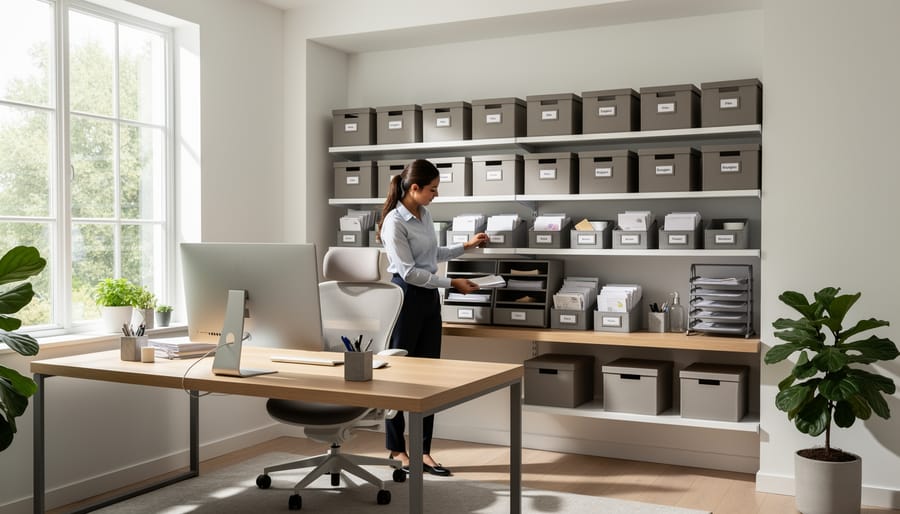
Most professional organizers in Canada use one of two pricing structures, and understanding the difference helps you budget accurately and choose the right fit for your project.
Hourly rates are the most common model. Organizers typically charge between $50 and $150 per hour, depending on their experience and location. A company like Tidy Style, for example, charges $65 per hour per organizer, which sits right in the middle of the national range. This rate structure works well when you’re not sure exactly how long a project will take or when you want the flexibility to add rooms as you go. You pay only for the time actually spent organizing, making it straightforward to manage costs if you have a simple closet declutter in mind.
The hourly approach gives you control but requires more planning on your part. If your home office is moderately cluttered, you might need three to five hours to sort papers, reorganize shelves, and create new filing systems. At $65 per hour, that’s $195 to $325 for a complete transformation.
Package pricing bundles a set number of hours for a fixed rate. Most organizers price packages between $150 and $2,000 for defined projects. A six-hour package might cost $399, offering a modest per-hour discount compared to booking hourly. Packages work best when you have a clear scope, like organizing an entire garage or overhauling your kitchen pantry and storage areas.
| Pricing Model | Typical Range | Best For | Example Scenario |
|---|---|---|---|
| Hourly Rate | $50-$150/hour | Flexible, smaller projects | Closet reorganization (2-4 hours) |
| Package Pricing | $150-$2,000 | Defined scope, multi-room projects | Whole home office setup (6-8 hours) |
| Specialty Premium | $137-$200/hour | Complex estates, downsizing | Full-house declutter with emotional support |
According to Canadian organizer hourly pay data, rates reflect both regional costs and organizer expertise. Premium services commanding $137 to $200 per hour typically involve certified specialists tackling complex situations like estate downsizing or hoarding recovery.
Many organizers offer free initial consultations, which Tidy Style does, letting you discuss your needs and get an accurate quote before committing. Use that meeting to ask whether hourly or package pricing makes more sense for your specific situation, and request a clear breakdown of what each option includes.
Breaking Down the Numbers: What You’ll Actually Pay
Entry-Level and Mid-Range Services
At the $50-$75 per hour range, you’re typically working with newer professional organizers who have one to three years of experience or established organizers offering basic services. These organizers understand core organizing principles and can handle straightforward projects effectively, even if they haven’t yet pursued advanced certifications or specialized training.
What you get at this price point includes help sorting and decluttering, creating simple organizing systems using products you already own, and guidance on what to keep versus donate. Most organizers in this tier will work alongside you for three to six hours per session, tackling one room or defined space at a time. They’ll offer practical solutions without the premium touches like custom product sourcing or detailed maintenance plans.
This tier works particularly well for home offices with moderate clutter, bedroom closets that need a refresh, pantries requiring basic reorganization, or kids’ rooms where you need help establishing systems. If your space isn’t extremely challenging and you’re comfortable with straightforward storage solutions, entry-level and mid-range organizers deliver solid results that stick. The lower hourly rate also makes it easier to book multiple sessions if you want to organize several rooms over time.
Premium and Specialized Services
When you see quotes climbing above $100 per hour, sometimes reaching $200, you’re paying for expertise that goes well beyond basic decluttering. Premium organizers typically bring specialized certifications, years of experience tackling complex projects, and refined systems that deliver faster, more lasting results.
At this tier, you’ll often find professionals who specialize in specific challenges: hoarding situations that require sensitivity and psychological understanding, estate downsizing that involves emotional decision-making and time pressure, or luxury home installations with custom storage solutions. These organizers coordinate with contractors, designers, and trades to implement built-in systems rather than just rearranging what you already own.
Premium services also include concierge-level support. Many handle product sourcing and purchasing on your behalf, coordinate with vendors for custom installations, and provide detailed documentation of your new systems. Some offer maintenance programs with quarterly tune-ups to keep everything functioning.
The difference shows in results. A premium organizer might transform a chaotic home office in six focused hours where a budget service would need twelve spread across multiple sessions. For large-scale projects, whole-home organization, major life transitions, or spaces with significant structural changes, the efficiency and specialized knowledge justify the investment.
What Drives the Price Up (or Down)

Understanding what drives the cost of professional organizing services helps you budget realistically and get accurate quotes. Multiple factors combine to determine what you’ll pay, and knowing how each one influences pricing makes comparing organizers and their proposals much clearer.
The organizer’s experience and credentials matter significantly. Someone with ten years of experience and professional certifications will command higher rates than a newer organizer building their portfolio. That expertise often translates to faster work, better systems, and solutions that actually stick long-term.
Project complexity shapes pricing more than most people expect. Organizing a filing cabinet with straightforward paperwork differs drastically from tackling a home office that doubles as a craft room, guest bedroom, and household command centre. The more categories you’re juggling and the more decisions required, the longer the project takes.
Here’s what most significantly affects your final bill:
- Experience level and professional training, certified organizers with established portfolios charge $100-$200 per hour versus $50-$75 for newer practitioners
- Project scope and complexity, single-function spaces cost less than multi-purpose rooms requiring creative storage solutions
- Space size and current condition, a manageable closet versus a garage filled with decades of accumulation changes both time and effort required
- Product recommendations and shopping assistance, some organizers include sourcing storage products in their service, others charge separately for shopping time
- Geographic location, urban centres like Toronto and Vancouver typically see higher rates than smaller cities
- Your preparation and clarity, clients who’ve sorted items beforehand or have clear goals move through sessions faster than those starting from scratch
Room size plays a practical role too. A walk-in closet requires more time than a coat closet, and a full basement renovation takes multiple sessions compared to a powder room under the stairs. Organizers base estimates partly on square footage because it directly correlates with decision-making time.
Whether you want the organizer to recommend and source products affects both cost and timeline. Shopping assistance adds hours to the project, though it often results in better-suited solutions than grabbing random bins from the store yourself.
Your level of preparation influences efficiency. Clients who’ve purged obvious trash, gathered scattered items, or made preliminary decisions about what stays move through sessions faster, potentially saving hundreds of dollars on a large project.
What to Expect: From Free Consultation to Project Completion
Most professional organizers in Canada follow a structured process that makes hiring them straightforward and low-risk. Understanding what happens at each stage helps you prepare and get better results from the investment.
The journey typically starts with a free consultation. Many organizers, like Tidy Style, offer these initial meetings at no charge to assess your space and discuss your goals. During this conversation, they’ll ask about your pain points, your lifestyle, and what you want the finished space to look like. This is your chance to gauge whether their personality and approach feel like a good fit. Come prepared with photos of the problem areas and be honest about your habits and challenges.
- Initial contact and consultation: Reach out to schedule your free consultation. The organizer visits your space, discusses your goals, and assesses the scope. Ask about their experience with similar projects and how they typically work.
- Proposal and quote: You’ll receive a detailed quote showing either an hourly rate (averaging $65 per hour) or a package price ($150-$2,000 for most projects). Review what’s included and ask about any additional costs for supplies or travel.
- Scheduling your sessions: Book your organizing sessions based on the project timeline. Some rooms take one session, while whole-home projects might span several weeks. Clarify whether you need to be present and what prep work you should do beforehand.
- The organizing session: Your organizer arrives with systems and supplies in mind. They’ll guide you through sorting decisions, create functional systems for your space, and often handle the physical work of rearranging and labeling.
- Follow-up and maintenance: Good organizers provide guidance on maintaining the systems they’ve created. Some offer follow-up check-ins or maintenance sessions to ensure the organization sticks long-term.
During sessions, expect your organizer to ask lots of questions about how you use each space and what items you use most often. They’re not there to judge your mess but to understand your routines so they can create systems that actually work for your life. Most will make product recommendations but won’t require you to buy expensive storage solutions unless they genuinely improve the function of your space.
DIY vs. Hiring a Professional: Is It Worth the Investment?
The question isn’t whether you can organize your home office yourself, it’s whether you should, given your time, goals, and the results you want.
DIY organizing works well when you have a small, defined project, plenty of time, and the mental energy to make decisions about every item. Tackling a single closet over a weekend or sorting through desk drawers during slow evenings costs nothing but your time. You’ll learn what systems work for you, and you can adjust as you go without coordinating schedules or explaining your preferences to someone else.
But here’s what most people underestimate: the time investment multiplies fast. What looks like a three-hour closet project turns into eight hours once you’re sorting, second-guessing, shopping for containers, reorganizing when the first attempt doesn’t work, and cleaning up the mess you created. For larger spaces like garages or whole-home projects, DIY can stretch across weeks or months, with half-finished zones disrupting your daily life.
Pros of DIY
- Zero upfront cost beyond any storage products you choose to buy.
- Work at your own pace without scheduling constraints or outside pressure.
- Learn organizing skills and systems you can apply to future projects.
- Complete control over every decision and no need to let strangers into your home.
Cons of DIY
- Time-intensive process that often takes three to five times longer than estimated.
- Lack of professional expertise means trial-and-error with systems that may not last.
- Emotional attachment to items makes objective decluttering decisions difficult.
- Easy to lose momentum halfway through and live with organizing chaos for months.
Professional organizers bring speed and objectivity that’s hard to replicate on your own. They’ve seen hundreds of spaces and know which systems actually hold up six months later. When you’re paying $50 to $150 per hour, you make decisions faster because the clock is running. That external pressure, combined with their neutral perspective, helps you let go of things you’d have agonized over alone for hours.
The investment makes the most sense for high-impact spaces where you’re stuck. Home offices benefit enormously because a professional can set up filing systems, paper management workflows, and digital organization strategies you’ll use daily. If you’re working with specific challenges like ADHD organization needs, a specialist creates systems designed around how your brain actually works, not how you wish it worked.
For most homeowners, the sweet spot is hiring help for your most important or overwhelming space, then applying what you learn to tackle smaller projects yourself. A six-hour session in your home office for $399 teaches you techniques you can use in your bedroom closet next month without paying again.
How to Choose the Right Organizer for Your Budget
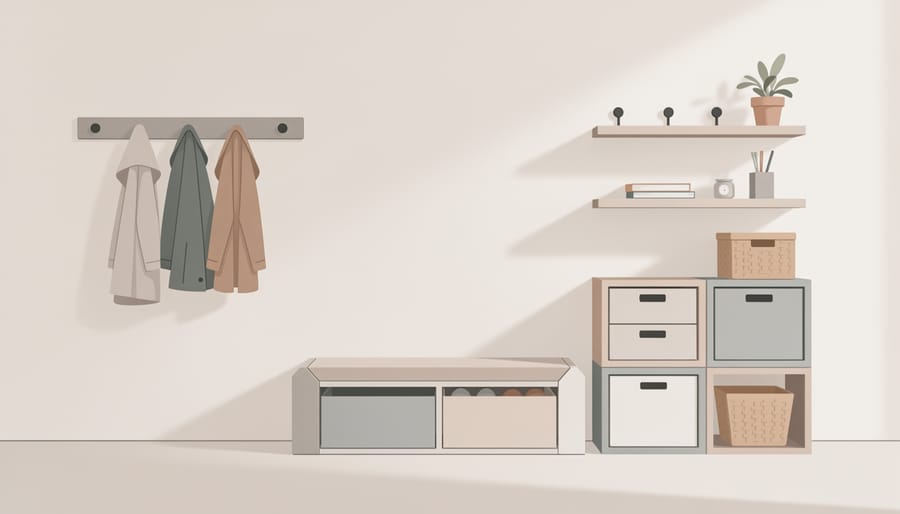
Finding the right professional organizer isn’t just about getting the lowest rate, it’s about finding someone who fits your needs, budget, and working style. Start by interviewing at least three organizers to compare their approaches and pricing structures.
Ask specific questions upfront. Find out whether they charge hourly or offer project packages, what their cancellation policy is, and what’s included in their rate. Do they bring supplies, or will you need to purchase storage products separately? How do they handle situations where a project takes longer than estimated? Clear answers to these questions help you compare quotes fairly and avoid surprise costs.
Watch for red flags. Be cautious of organizers who pressure you to commit immediately, refuse to provide references, or can’t clearly explain their process. Professional organizers should be willing to discuss their experience with projects similar to yours and provide realistic timeframes. If someone promises to transform your entire home in a few hours or quotes a price without seeing the space, that’s a warning sign.
Before your first session, create a decluttering checklist to identify your priorities and pain points. This preparation helps organizers give you accurate quotes and ensures you’re both working toward the same goals.
Consider starting small. Many organizers, like Tidy Style, offer free consultations where you can meet them, discuss your project, and get a feel for their style before committing. Beginning with a single room, perhaps that overwhelmed home office, lets you test the relationship and see results without a major investment. If the partnership works well, you can expand to other spaces later.
Ask about their follow-up support. Some organizers include a check-in call or visit to help you maintain the systems they’ve created, which adds long-term value beyond the initial organizing sessions.
Common Questions About Hiring Professional Organizers
Do I need to clean or tidy up before the organizer arrives?
No. Professional organizers prefer to see your space exactly as you live in it, the messier, the better. They need to understand your real habits and challenges to create systems that actually work for you, not idealized versions that fall apart in a week.
How long does a typical organizing project take?
Most single-room projects like a home office or closet take 4-8 hours, which you can split across multiple sessions. Larger projects, such as whole-home organizing or multi-room overhauls, might span several days or weeks depending on the scope and your schedule.
Can I stay during the organizing session, or should I leave?
Most organizers prefer you stay, at least initially. You’ll need to make decisions about what to keep, donate, or toss, and they’ll ask questions about how you use items. Once systems are established, some clients step away for portions of the session, but your input is essential for creating solutions that fit your life.
What if I don’t like their organizing suggestions?
Good organizers don’t dictate solutions, they collaborate with you. If a proposed system doesn’t feel right, speak up. They’ll adjust their approach based on your feedback, lifestyle, and preferences. The goal is a space that works for you, not a Pinterest-perfect setup you’ll never maintain.
Do professional organizers provide the storage products and bins?
Some include product recommendations and shopping assistance in their service, while others charge separately for this. Many will source and purchase items on your behalf for an additional fee, or they’ll provide a detailed shopping list you can tackle yourself. Clarify this upfront when you’re comparing quotes.
Will they help me maintain the systems after the initial project?
Many organizers offer follow-up sessions or maintenance packages, though these usually cost extra beyond the initial project rate. Some include a quick check-in call or email support for a set period. If ongoing support matters to you, ask about it during your free consultation, services like Tidy Style often have flexible options to help you stay on track.
These questions reflect what most people worry about before hiring their first organizer. The answers might vary slightly depending on who you hire, but understanding these basics helps you have more productive conversations during initial consultations. Most organizers are happy to clarify their specific policies and approach before you commit to working together, so don’t hesitate to ask anything that’s on your mind.
Remember, professional organizers have seen it all. They’re not there to judge your clutter or your habits, they’re problem-solvers who genuinely want to make your life easier. The more honest you are about your challenges, routines, and what hasn’t worked in the past, the better they can tailor solutions that actually stick.
Transforming a cluttered home office or chaotic living space into an organized, functional environment doesn’t have to be overwhelming when you bring in professional help. As you’ve seen throughout this guide, hiring a professional organizer in Canada typically runs $50 to $150 per hour, with most complete projects falling between $150 and $2,000 depending on scope and complexity. Those numbers represent more than just a service fee. You’re investing in customized systems tailored to how you actually live and work, expert guidance that cuts through decision fatigue, and lasting organizational frameworks that save you time every single day.
The best first step? Take advantage of free consultations that many organizers offer. You’ll get a personalized quote, discuss your specific challenges, and gauge whether their approach fits your style. Whether you start with a single problem room or tackle your entire home, the right professional organizer brings fresh perspective and proven methods that transform not just your physical space but how smoothly your household runs. Your future self will thank you for creating systems that actually stick.


