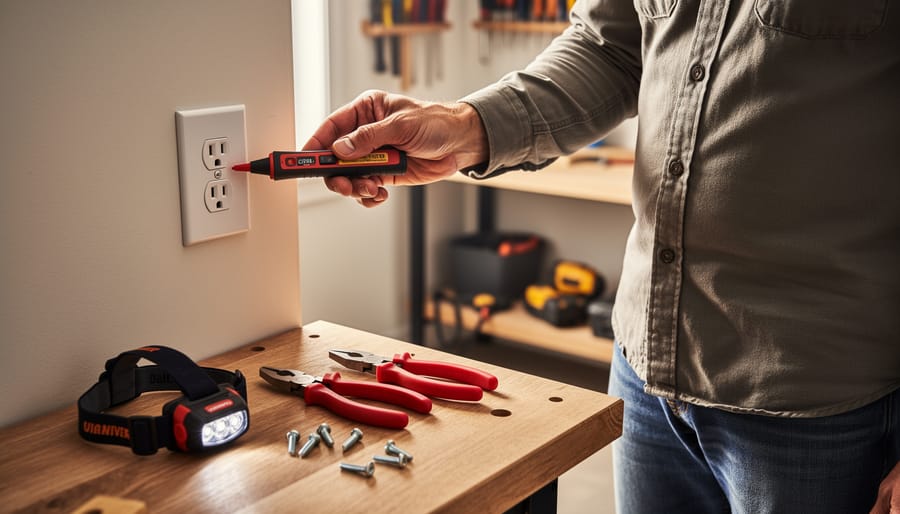
Start by investing in a non-contact voltage tester before touching any wire or outlet—this $20 tool could save your life by detecting live current without direct contact. Purchase wire strippers with clearly marked gauge sizes rather than a knife, as clean cuts prevent dangerous frayed wires that cause shorts and potential fires. Grab a headlamp instead of a traditional flashlight so both hands stay free while working inside cramped electrical panels or beneath sinks.
Building your electrician toolkit doesn’t require draining your savings account or filling an entire garage. Whether you’re replacing outdated outlets, installing a ceiling fan, or choosing the right projects to tackle this weekend, having the proper tools makes electrical work safer, faster, and frankly less frustrating. The difference between a successful DIY electrical project and a dangerous mishap often comes down to using the right equipment.
This guide breaks down exactly which tools deserve space in your toolbox based on real-world electrical tasks homeowners commonly face. You’ll discover the non-negotiable safety essentials that protect you from shocks and burns, the core working tools that handle 90% of residential electrical jobs, and those premium upgrades worth considering once you’ve tackled a few projects. We’ll also share smart shopping strategies that help you build a professional-quality setup without the professional price tag, because quality tools shouldn’t mean choosing between safety and your budget.
Safety First: Why Your Tool Setup Matters More Than You Think
Let’s be honest—working with electricity isn’t like hanging a picture frame or painting a wall. One wrong move with the wrong tool, and you’re not just looking at a botched project; you’re risking serious injury or worse. That’s why having the right electrical tools isn’t just about getting the job done efficiently—it’s fundamentally about keeping you safe.
Quality electrical tools serve as your first line of defense against shocks, burns, and potential fires. Insulated handles on screwdrivers, pliers, and wire strippers aren’t just a nice feature—they’re essential barriers between you and potentially lethal current. When you’re working with live circuits (which you should avoid whenever possible), properly rated insulated tools can literally be lifesavers. Look for tools rated for at least 1000 volts, marked with official safety certifications.
Beyond insulation, the right tools help you work more precisely, reducing the chances of creating dangerous situations. A quality voltage tester, for instance, takes the guesswork out of whether a circuit is truly dead before you start working. Wire strippers that cleanly remove insulation without nicking the conductor prevent weak points that could lead to overheating or arcing down the line.
This is where avoiding common DIY mistakes becomes crucial. Using damaged tools, improvising with non-electrical equipment, or skipping safety gear might save a few dollars upfront, but the consequences can be catastrophic.
Remember, your tool setup should support fundamental electrical safety principles: always verify circuits are de-energized, never work in wet conditions, and maintain a clear workspace. When your tools are specifically designed for electrical work, they reinforce these practices rather than compromise them.
The Core Electrician’s Toolkit: Your Must-Have Foundations
Voltage Testers and Multimeters: Your Safety Lifeline
Think of voltage testers and multimeters as your electrical sixth sense—they tell you what you absolutely cannot see but desperately need to know: whether electricity is present and how much. These aren’t luxury items; they’re your primary defense against a shocking (literally) experience.
Let’s start with the non-contact voltage tester, your quick-check buddy. This pen-shaped tool lights up and beeps when it detects voltage without you needing to touch any wires. Picture this: you’re about to replace that outdated bathroom outlet. Before unscrewing anything, you hold the tester near the outlet slots. If it beeps, electricity is still flowing—time to find the right breaker. No beep? You’re likely safe to proceed. It’s fast, foolproof, and should be in your hand before touching any electrical component.
Now, multimeters offer deeper insights. They measure exact voltage, current, and resistance—essential when you need precision. Testing if an outlet is properly grounded? Checking if a dimmer switch is getting the right voltage? That’s multimeter territory. While a basic digital multimeter might seem intimidating at first, you’ll quickly master reading those simple numerical displays.
Here’s the bottom line: use your non-contact tester for quick safety checks before starting any work, then reach for the multimeter when you need detailed information. Together, they form an unbreakable safety partnership that no electrical toolkit should be without.

Wire Strippers and Cutters That Won’t Let You Down
You’ve probably wrestled with those frustrating budget wire strippers that crush insulation, nick the wire, or strip unevenly. If you’re investing time in electrical projects, quality wire strippers are absolutely worth it. Look for tools with clearly marked gauge sizes, comfortable grips, and spring-loaded handles that reduce hand fatigue during repetitive work.
The best wire strippers create clean, precise cuts without damaging the conductor inside—essential for safe, reliable connections. Klein Tools and Ideal Industries make professional-grade strippers that’ll last years, not months. For combination tools, consider models that strip, cut, and crimp in one convenient package.
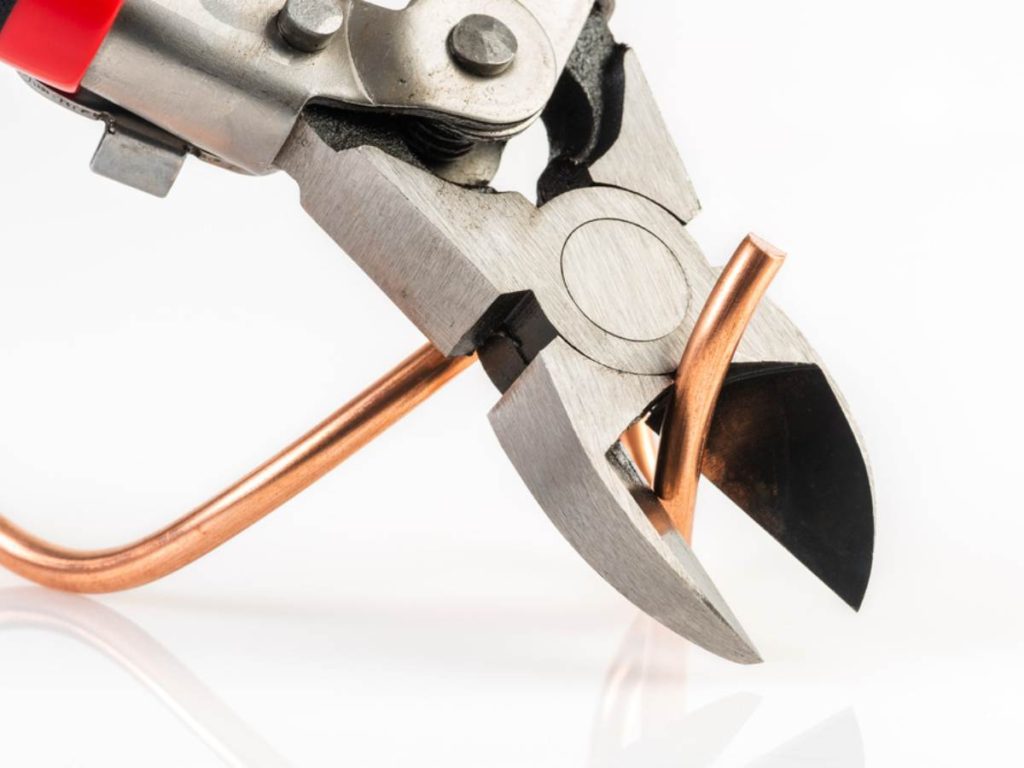
When choosing quality cutters and strippers, test the cutting action before buying. Smooth, effortless cutting means less strain on your hands and cleaner results. Sharp diagonal cutters are equally important for trimming wire cleanly without fraying.
Remember, clean cuts and properly stripped wires aren’t just about aesthetics—they’re crucial for secure connections that won’t loosen over time. Spending thirty to fifty dollars on reliable strippers prevents frustration and ensures every connection meets code standards.
Screwdrivers Built for Electrical Work
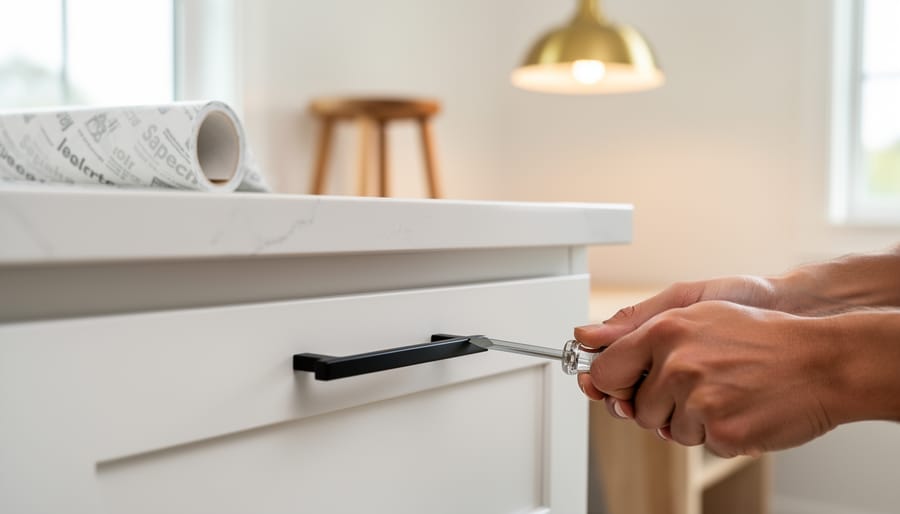
Here’s the thing about regular screwdrivers and electrical work: they just don’t mix safely. When you’re working with live circuits or even potentially live wires, you need insulated screwdrivers specifically rated for electrical work. These aren’t just screwdrivers with plastic handles—they feature specialized insulation rated to protect you from electrical shock, typically up to 1,000 volts.
For most home electrical projects, you’ll want a set that includes both flathead and Phillips head insulated screwdrivers in various sizes. The most common sizes you’ll reach for are a number 2 Phillips (perfect for outlet covers and switch plates) and a 1/4-inch flathead for wire terminals and certain electrical boxes. Some electricians also swear by square-drive screwdrivers for specific applications.
Look for screwdrivers with the VDE or IEC 60900 certification—these meet international safety standards. The insulation should be clearly marked and extend all the way up the shaft, not just the handle. Yes, insulated screwdrivers cost more than your basic hardware store variety, but when you’re working inside an electrical panel or junction box, that investment in safety is absolutely non-negotiable. Think of it as inexpensive insurance for one of your most important tools: yourself.
Pliers: The Three Types You’ll Reach for Constantly
Think of pliers as your specialized grip team, each member bringing unique talents to your electrical projects. You’ll rely on these three types constantly.
Needle-nose pliers are your precision tool for tight spaces. With their long, tapered jaws, they’re perfect for forming wire loops around terminal screws in outlets and switches. I use mine whenever I’m working inside cramped electrical boxes where my fingers simply can’t reach. They’re also fantastic for retrieving dropped screws from behind wall plates.
Lineman’s pliers are the workhorses you’ll grab most often. These heavy-duty tools twist wires together during splicing, cut through thick cables, and provide the gripping power needed when pulling wires through conduit. When you’re connecting multiple wires with a wire nut, lineman’s pliers make quick work of twisting them together securely.
Wire strippers and crimpers might seem like specialty tools, but they’re essential for clean, safe connections. Quality wire strippers remove insulation without nicking the copper conductor underneath, preventing weak points that could cause problems later. The crimping function lets you attach terminals and connectors professionally. Many models feature multiple gauge slots, automatically sizing to your wire thickness.
Investing in all three means you’re prepared for virtually any residential wiring task.

Headlamps and Work Lights for Those Dark Spaces
Here’s the reality: many electrical projects happen in places where the sun definitely doesn’t shine. I’ve contorted myself into enough attics and crawl spaces to know that holding a flashlight between your teeth just doesn’t cut it (and honestly, it’s not great for your dental work either).
A quality headlamp is genuinely essential for electrical work. Look for one with at least 300 lumens, adjustable brightness levels, and a tilting head so you can direct light exactly where you need it. Rechargeable models save you money on batteries and are more eco-friendly in the long run.
For stationary work in tight spaces, a magnetic work light becomes your best friend. These compact lights stick to metal junction boxes or studs, freeing both hands for the delicate work of connecting wires. Some even hang from hooks, giving you flexibility in positioning.
The investment in proper lighting isn’t just about convenience—it’s about safety and accuracy. You’ll spot potential hazards more easily and make cleaner, more precise connections when you can actually see what you’re doing.
Level-Up Tools: When You’re Ready to Tackle Bigger Projects
Fish Tape and Cable Pullers for Running New Wires
If you’ve ever wondered how electricians magically thread wires through walls without tearing apart your entire house, the answer is fish tape. Think of it as a flexible metal ribbon on a spool that acts like a guide rail for your wires. You feed the fish tape through the wall cavity from one opening to another, attach your wire to the end, and pull it back through. What could otherwise be a wall-demolishing nightmare becomes a manageable afternoon project.
You’ll need fish tape whenever you’re adding new outlets, running wires to a ceiling fixture, or upgrading circuits in finished spaces. The typical homeowner reaches for this tool when installing under-cabinet lighting in the kitchen or adding outlets to a home office where they’re frustratingly short on power sources.
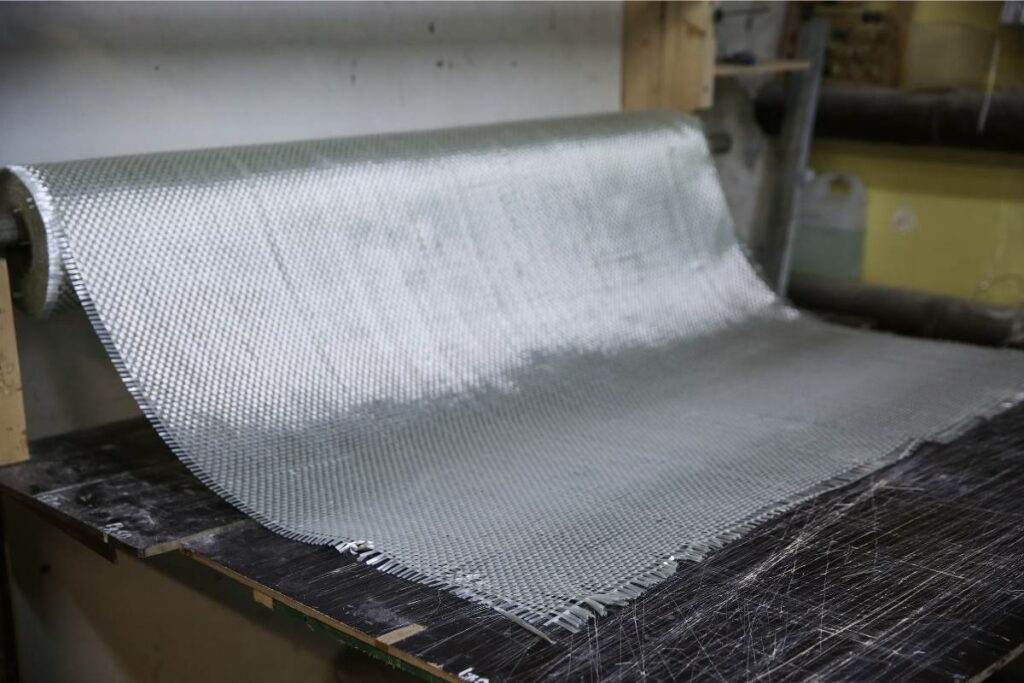
Fish tapes come in different lengths and materials. Fiberglass options are safer around live wires, while steel versions offer more pushing power through longer runs. For most home projects, a 25-foot fiberglass fish tape hits the sweet spot between capability and cost.
Cable pullers, which include lubricants and pulling grips, complement your fish tape by making the actual wire-pulling process smoother. They prevent wire insulation damage and save your hands from rope burn during longer pulls. Together, these tools transform cable running from an expert-only task into something confidently achievable for dedicated DIYers.
Stud Finders with Wire Detection
Before you drill that first hole to hang a new light fixture or outlet, you absolutely need to know what’s hiding behind your walls. That’s where a quality stud finder with wire detection becomes your best friend and safety guardian. Think of it as having X-ray vision for your home.
A basic stud finder helps you locate wall studs for secure mounting, but the wire detection feature is what prevents you from drilling directly into live electrical wiring. This isn’t just about avoiding sparks and blown circuits—it’s about protecting yourself from serious injury. Modern stud finders use sensors to detect both wood framing and electrical fields, giving you visual and audible warnings when you’re approaching wiring.
When shopping, look for models with deep-scanning capabilities (at least 1.5 inches) and clear wire-alert systems. Some advanced versions even distinguish between live and dead wires. Yes, you’ll spend a bit more than the bargain-bin option, but consider it insurance against accidentally creating a very expensive (and dangerous) problem. One successful project where you avoided cutting into wiring pays for the tool many times over.
Cable Staplers and Clamps for Professional-Looking Installs
Here’s the thing about exposed cable runs—they need to look clean and meet electrical code, which is where cable staplers and clamps become your best friends. These simple tools help you secure romex and other wiring to studs, joists, and walls, preventing sagging cables that look unprofessional and can be hazardous.
A good cable stapler drives U-shaped staples quickly without damaging the wire insulation, which is crucial for safety and passing inspection. You’ll want one that’s comfortable to squeeze repeatedly—your hand will thank you halfway through the job. For areas where a stapler won’t fit or you need more precision, cable clamps (also called nail-on straps) work beautifully.
Code typically requires cables to be secured within certain distances from boxes and at regular intervals along runs. These tools make compliance easy while keeping everything tidy. Think of them as the finishing touches that transform a functional electrical installation into something you’d be proud to show an inspector—or your neighbor who stops by to admire your handiwork. They’re inexpensive investments that deliver big returns in both appearance and safety.
Smart Shopping: How to Build Your Kit Without Breaking the Bank
Building your electrician toolkit doesn’t mean emptying your wallet in one shopping trip. Think of it as a journey rather than a destination, and you’ll find yourself with a well-stocked collection that grows alongside your skills and projects.
Start by investing where it counts. Your multimeter, voltage tester, and wire strippers deserve your budget’s attention because they’re your daily workhorses. Quality versions of these tools will serve you reliably for years, and when it comes to electrical work, precision matters. A good multimeter might cost $50-80, but it’ll give you accurate readings every time, which is priceless when you’re troubleshooting a stubborn circuit.
On the flip side, certain items don’t require premium pricing. Flashlights, basic screwdriver sets, and cable staples work perfectly fine at mid-range prices. Your toolbox or bag can start simple too. Many DIYers begin with a basic canvas tote and upgrade later as their collection expands.
Consider the project-based approach. Don’t buy specialty tools until you actually need them. Planning to install recessed lighting? That’s when you invest in a hole saw kit. Tackling outdoor outlets? Add weatherproof box tools to your cart then. This method keeps costs manageable and ensures you’re not accumulating dust-collectors.
Watch for seasonal sales at home improvement stores, especially around major holidays. Sign up for email alerts from your favorite retailers, and don’t overlook refurbished tools from reputable brands, which often come with warranties at significant savings.
Like other budget-friendly home improvements, smart tool shopping is about strategic timing and prioritization. Your toolkit will naturally evolve as you tackle more projects, and that gradual growth keeps both your budget and storage space happy.
Storage and Organization: Keeping Your Tools Ready When You Need Them
Having the right tools means nothing if you can’t find them when a project calls! A well-organized electrical toolkit saves time, prevents frustration, and keeps your sensitive testing equipment in working order.
Start with a sturdy tool bag or rolling tool chest as your foundation. Many electricians swear by bags with clear plastic pockets that let you spot what you need at a glance. Dedicate specific compartments to similar items: wire strippers and cutters in one section, screwdrivers in another, and testing equipment in its own protected space. This approach mirrors the principles of organizing your workshop, where everything has a home.
Protect your investment in testing tools by storing voltage testers and multimeters in padded cases or foam inserts. These sensitive instruments can lose accuracy if knocked around, so treat them like the precision devices they are. Consider using small plastic cases with snap lids for screws, wire nuts, and electrical tape to prevent these small essentials from disappearing into the bottom of your bag.
For homeowners tackling projects throughout the house, create a mobile setup that moves with you. A lightweight tool bag with frequently used items becomes your go-to for quick fixes, while your main toolkit stays in the garage for bigger jobs. Label everything clearly and return tools to their spots after each use. This simple habit transforms chaotic searches into smooth, efficient work sessions.

Here’s the truth that every successful DIYer eventually learns: confidence in home improvement doesn’t come from having the fanciest tools—it comes from having the right ones. Your electrician toolkit is more than just a collection of equipment gathering dust in your garage. It’s your safety net, your problem-solving arsenal, and your ticket to transforming those intimidating electrical projects into achievable weekend wins.
If you’re just starting out, resist the urge to buy everything at once. Begin with the essentials we’ve covered—quality safety gear, a reliable voltage tester, wire strippers, and basic hand tools. As you tackle more projects and your skills develop, you’ll naturally recognize when it’s time to add that circuit finder or invest in professional-grade cutters. This gradual approach not only spreads out costs but also helps you truly understand which tools you’ll reach for repeatedly versus those that might sit unused.
Remember, choosing proper tools is an investment that pays dividends in two critical ways. First, it protects you and your family from electrical hazards—something you simply cannot put a price on. Second, it ensures your projects are done correctly the first time, saving you from costly repairs or dangerous mistakes down the road.
So take that first step. Start building your toolkit thoughtfully, respect the power you’re working with, and know that each tool you add brings you closer to electrical self-sufficiency. Your future self—standing back to admire that newly installed light fixture or perfectly functioning outlet—will thank you for making safety and quality your top priorities from day one.