Transform your entire home in just 120 minutes by targeting the overlooked areas that make the difference between surface-level tidying and genuinely deep cleaning. Most cleaning routines miss the baseboards collecting dust, the light fixtures dulling your rooms, and the forgotten spaces behind appliances where grime accumulates unseen.
Break your two-hour session into strategic 15-minute blocks that tackle these hidden zones while maintaining momentum through high-traffic areas. Start with the spaces guests notice first—entryways and living areas—then move systematically through bathrooms and kitchens where hidden bacteria and buildup lurk in unexpected corners. The secret lies in working from top to bottom within each room, capturing dust and debris as gravity becomes your cleaning ally rather than your enemy.
This approach differs from generic checklists by prioritizing impact over perfection. You’ll address the refrigerator coils that affect energy efficiency, the vent covers harboring allergens, and the window tracks that trap months of accumulated dirt. By the time your timer hits zero, you’ll have created that fresh-from-a-professional-cleaning feeling without sacrificing your entire weekend or hiring expensive help.
Why Your Regular Cleaning Routine Misses the Mark
Here’s the truth about your cleaning routine: you’re probably doing a fantastic job on the surfaces you see every day, but your brain is quietly sabotaging your efforts. It’s called eye-level bias, and it’s the reason your kitchen counters sparkle while the top of your refrigerator hosts a dust convention.
Think about how you move through your home during a typical cleaning session. You likely follow the same pattern each time, hitting the usual suspects—countertops, floors, visible surfaces. It’s comfortable, it’s efficient, and it feels productive. But our brains are wired to notice what’s directly in our line of sight while filtering out everything else. That light fixture you walk under every day? Invisible to your cleaning radar. The baseboards along your hallway? They’ve faded into the background.
This habit-driven approach creates a sneaky problem. While you’re maintaining the obvious areas beautifully, grime steadily accumulates in those commonly forgotten cleaning tasks zones. Over time, this hidden dirt affects how clean your entire home actually feels, even when you’ve just finished scrubbing.
The solution isn’t working harder or spending more hours cleaning. It’s about working smarter with a systematic approach that forces you to break those ingrained patterns and target the spaces your routine consistently misses.
The 2-Hour Hidden Task Cleaning System
Let’s be honest—most of us clean regularly but still feel like our homes aren’t quite as fresh as they could be. That lingering dust on the ceiling fan, grime behind the bathroom faucet, or mysterious buildup on light switches can make even a tidy space feel less than sparkling. The good news? You can tackle these sneaky trouble spots in just two hours with a strategic approach.
The secret lies in working smarter, not harder. Before diving in, gather all your right cleaning supplies in a portable caddy—think microfiber cloths, all-purpose cleaner, a small vacuum attachment, and extendable duster. This eliminates time-wasting trips back and forth.
Set a timer to keep yourself on track and maintain momentum. The system follows a logical top-to-bottom, room-by-room flow that prevents you from re-cleaning areas. Starting high with ceiling fixtures and working downward ensures dust and debris fall onto surfaces you haven’t cleaned yet.
Each task block focuses on one zone for 20-30 minutes, targeting those hidden spots you typically skip during routine cleaning. This concentrated effort transforms overlooked areas without overwhelming your schedule, leaving your entire home feeling genuinely refreshed.

First 30 Minutes: High-Impact Hidden Zones
Light Fixtures and Ceiling Fans
Let’s tackle those often-neglected light fixtures and ceiling fans that silently collect dust while dimming your home’s brightness. You’ll need a microfiber duster with an extendable handle, a clean cloth, and a step ladder for this mission.
Safety first: Turn off the power at the switch before cleaning. For ceiling fans, start at the top by sliding a pillowcase over each blade, then pulling it back to trap dust inside rather than letting it rain down on freshly cleaned surfaces below. This trick is a game-changer and keeps your floor clean.
Next, use your extendable duster to reach light fixture globes and decorative elements. For removable glass shades or bowls, take them down and give them a quick wipe with a damp microfiber cloth. You’d be surprised how much brighter your rooms feel with clean fixtures casting unobstructed light.
Don’t forget pendant lights and lampshades. A quick once-over with your duster removes the dust layer that gradually builds up. For stubborn grime on metal or glass fixtures, a slightly dampened cloth does wonders.
This five-minute ceiling sweep transforms your lighting from dim and dingy to bright and welcoming, making your entire cleaning effort more noticeable.

Baseboards and Door Frames
You know that moment when you’ve cleaned your entire house, but something still looks…off? Often, it’s the baseboards and door frames whispering “we’re dusty!” from the edges of your vision. These transition areas create the frame for every room, and when they’re grimy, everything else looks a bit duller too.
Here’s your efficient game plan: grab a microfiber cloth (slightly dampened works wonders) and start at shoulder height on door frames, wiping downward in smooth strokes. This takes about 30 seconds per doorway. For baseboards, work in sections around each room. If you’re feeling ambitious, use a dryer sheet for a quick swipe – it actually repels dust for longer.
Why does this matter so much? These surfaces sit at eye level as you move between spaces, creating visual transitions. Clean frames make doorways feel crisp and inviting, while fresh baseboards give rooms that “magazine-ready” polish. Plus, baseboards collect an surprising amount of dust, pet hair, and mystery debris that circulates back into your air.
Budget 15 minutes total for an average-sized home. You’ll tackle the spaces you walk past daily but rarely notice, and suddenly your whole house feels more pulled-together. It’s one of those satisfying tasks where a little effort creates big visual impact.

Switch Plates and Door Handles
Here’s the thing about switch plates and door handles – we touch them constantly, yet they’re practically invisible during regular cleaning routines. These surfaces are like fingerprint magnets and germ hotspots rolled into one, making them essential targets in your 2-hour deep clean.
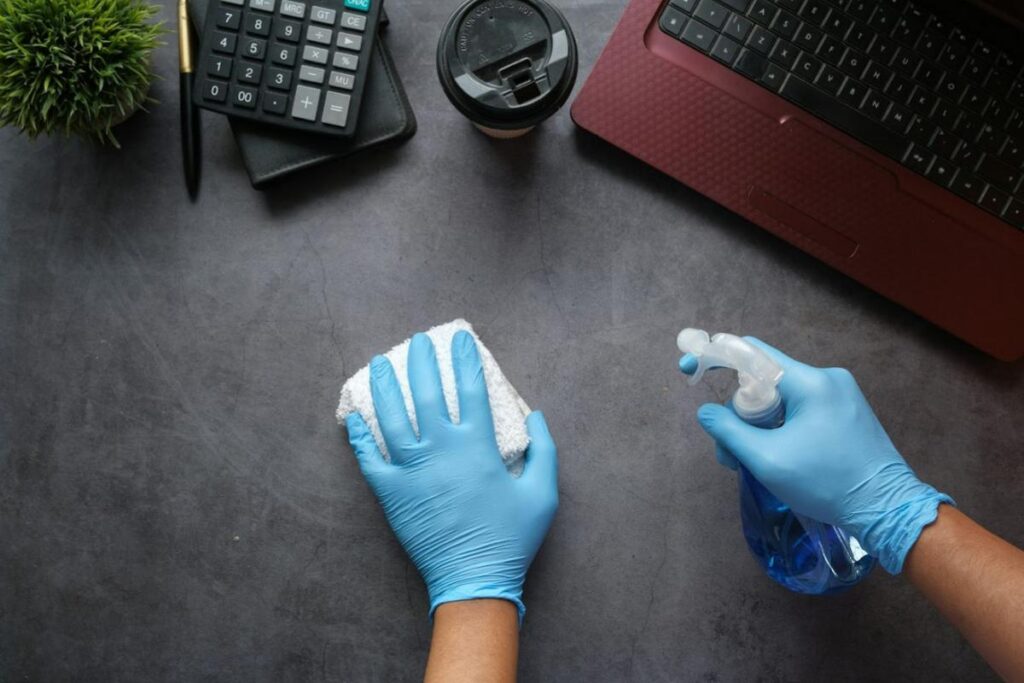
Grab a microfiber cloth and your favorite all-purpose cleaner or disinfectant spray. Start with light switches throughout your home, giving each plate a quick spritz and wipe. Don’t forget the actual switch itself – that’s where oils from fingers really accumulate. For stubborn grime around the edges, use an old toothbrush to gently work it loose.
Door handles deserve the same attention, especially on bathroom doors, bedroom entries, and your front door. Wipe down both sides of each handle, including the decorative backplate if you have one. Cabinet pulls in the kitchen are equally guilty of harboring buildup, so hit those while you’re in the zone.
This task takes maybe 10 minutes for an average home but makes a remarkable difference in overall cleanliness. You’ll notice immediately how much fresher everything feels when these high-touch points are actually clean. It’s one of those satisfying quick wins that delivers visible results.
Second 30 Minutes: Forgotten Kitchen and Bathroom Spots
Inside Your Microwave and Oven Vents
Here’s a game-changer that’ll make your microwave sparkle in minutes. Fill a microwave-safe bowl with one cup of water and add a few tablespoons of white vinegar or lemon slices. Microwave on high for three to five minutes until the water boils and steam fills the interior. Let it sit for another two minutes while the steam works its magic, loosening all that caked-on food splatter. Then simply wipe everything down with a cloth. The grime practically slides right off.
While you’re in cleaning mode, don’t forget those grimy oven and microwave vents that collect dust and grease like nobody’s business. Remove the vent filters if possible and soak them in hot, soapy water for a few minutes. Use an old toothbrush to scrub away buildup. For built-in vents, vacuum the grates first, then wipe with a degreasing cleaner. These vents trap odors and reduce air circulation when clogged, so giving them attention during your two-hour cleaning session makes a noticeable difference in your kitchen’s freshness.
Behind and Under Appliances
Let’s tackle one of those spots you probably haven’t touched in months—yep, behind and under your appliances! This is where crumbs, dust bunnies, and mystery spills throw parties when you’re not looking, and trust me, pests send out invitations.
Start by unplugging smaller appliances like your toaster or coffee maker. Give the countertop underneath a thorough wipe-down—you’ll be amazed at the crumb collection. For larger appliances like your refrigerator, check if it has wheels or if you’ll need a helper. Slide it out gently, being mindful of water lines and electrical cords.
Once you’ve got access, vacuum up the dust and debris first, then follow with a damp microfiber cloth for sticky residue. Don’t forget those mysterious drips that somehow defy gravity! This 15-minute task transforms these neglected zones from pest magnets into truly clean spaces, making your two-hour deep clean genuinely complete rather than surface-level.
Cabinet Fronts and Hardware
Here’s the often-overlooked truth about kitchen cabinets: they’re silently collecting a sticky layer of cooking grease and airborne grime that dulls everything, even if you wipe your counters daily. You’ll want to tackle this during your deep clean session because it makes such a visible difference.
Start with a simple degreasing solution of warm water mixed with a few drops of dish soap. Dampen a microfiber cloth and work from top to bottom, wiping down cabinet fronts in sections. Pay special attention to the cabinets nearest your stove where grease accumulates fastest. For stubborn buildup, let your solution sit for 30 seconds before wiping.
Don’t forget the hardware! Cabinet handles and knobs are fingerprint magnets that we touch constantly but rarely clean. Remove them if they’re particularly grimy and soak in warm soapy water for five minutes, or simply wipe them down with your degreasing cloth.
The transformation is immediate. Clean cabinet fronts catch the light beautifully and suddenly your entire kitchen looks refreshed. This small effort during your two-hour session delivers that satisfying before-and-after moment that makes the whole cleaning spree worthwhile.
Bathroom Exhaust Fans and Grout Lines
Start with your bathroom exhaust fan, an often-forgotten dust magnet that quietly loses efficiency over time. Turn off the power at the breaker, then remove the fan cover and vacuum away the fuzzy buildup using your vacuum’s brush attachment. A quick wipe with a damp microfiber cloth finishes the job. This simple five-minute task dramatically improves air circulation and prevents moisture problems.
Next, tackle those dingy grout lines that make your entire bathroom look tired. Instead of exhausting yourself with endless scrubbing, spray grout lines with a mixture of hydrogen peroxide and dish soap, let it sit for ten minutes, then wipe clean with a damp cloth. For stubborn stains, discover how to clean grout without scrubbing using smart techniques that save your energy. Fresh, bright grout lines instantly rejuvenate your bathroom’s appearance without the workout.
Third 30 Minutes: Hidden Dust Collectors Throughout Your Home
Window Tracks and Blinds
Window tracks are dust magnets that most of us forget about until they’re visibly grimy, but giving them attention during your 2-hour cleaning session makes a noticeable difference. Start by running your vacuum’s crevice tool along the tracks to capture loose dirt and debris. This takes maybe 30 seconds per window but prevents that gunk from turning into stubborn grime later. Next, wrap a butter knife or old credit card in a microfiber cloth secured with a rubber band. Spray a bit of all-purpose cleaner into the tracks, then run your wrapped tool along the grooves. You’ll be amazed at what comes up from those narrow channels.
For blinds, skip the tedious slat-by-slat wiping. Instead, close them completely in one direction, then use a microfiber cloth slightly dampened with water and a drop of dish soap. Wipe across all slats in one smooth motion from top to bottom. Flip the blinds closed in the opposite direction and repeat. This method cleans both sides in under two minutes per window. For extra dusty blinds, wear an old cotton sock on your hand like a puppet and pinch each slat as you move across. It’s oddly satisfying and incredibly efficient.
Air Vents and Returns
Here’s a cleaning task that often slips under the radar, quite literally. Your air vents and returns are silently circulating dust throughout your home every time your HVAC system kicks on. The good news? A quick 10-minute refresh can make a noticeable difference in your indoor air quality.
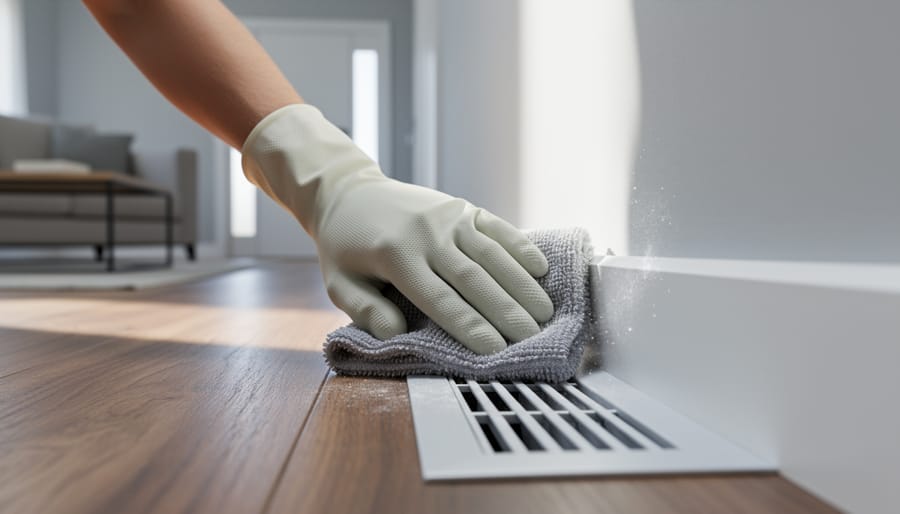
Start by removing the vent covers. Most simply lift off or require a quick screwdriver turn. You’ll probably be surprised by the dust bunnies hiding behind them. Use your vacuum’s brush attachment to tackle the visible dust buildup on both the cover and inside the duct opening. For stubborn grime on the covers themselves, take them to your sink for a quick wash with warm soapy water.
Don’t forget the return vents, those larger grilles usually positioned lower on your walls. These work overtime pulling air back into your system and tend to accumulate even more dust than supply vents. While you’re at it, check if your return vent has a filter that needs replacing. This simple maintenance step keeps your air cleaner and your system running efficiently, all while fitting perfectly into your 2-hour cleaning window.
Behind Furniture and Under Beds
Let’s tackle those dust bunnies hiding in plain sight! Moving furniture might sound like a workout session, but trust me, the satisfaction of discovering and eliminating those hidden dust colonies is worth it.
Start with smaller, lighter pieces like accent chairs and nightstands. Before you shift anything heavy, snap a quick photo on your phone so you’ll remember exactly where everything goes. This saves precious minutes during reassembly. For heavier items like sofas or dressers, try using furniture sliders or even old towels underneath the legs to protect your floors while gliding them away from the wall.
Once you’ve created access, grab your vacuum with the crevice attachment and work methodically along baseboards and corners. You’ll be amazed at what accumulates back there: forgotten toys, lost socks, and yes, those infamous dust bunnies. Under beds deserves special attention since it’s often a neglected zone. Use a microfiber duster on an extendable handle for those hard-to-reach spots.
Pro tip: Before moving furniture back, give floors a quick wipe with a damp microfiber cloth to capture any lingering fine dust your vacuum missed. This two-step approach ensures you’re actually cleaning, not just redistributing dust around your freshly organized space.
Final 30 Minutes: The Finishing Touches That Elevate Everything
Mirror and Glass Surfaces (Beyond Just Wiping)
Here’s the game-changer most people miss: those streaks on your mirrors aren’t about elbow grease, they’re about technique. Instead of circular motions that spread cleaning solution around, spray your glass cleaner and immediately wipe in one direction with a microfiber cloth, then flip to a dry section and wipe perpendicular to your first pass. This cross-hatch method eliminates streaks every time.
But here’s what really separates a quick wipe-down from truly clean mirrors: the edges and frames. Grab a damp cotton swab or wrap your microfiber cloth around a butter knife to clean along the mirror’s edge where dust and hairspray buildup creates that grimy border nobody notices until it’s gone. Don’t forget to wipe down the actual frame or medicine cabinet exterior. For bathroom mirrors, a quick spritz of rubbing alcohol works wonders on toothpaste splatters and creates an even more brilliant shine than regular glass cleaner.
Trash Cans and Recycling Bins
Here’s a quick win most of us overlook: cleaning the trash cans and recycling bins themselves. Sure, we empty them regularly, but those containers collect grime, mystery drips, and funky odors that silently make your whole space feel less fresh.
Give your bins a five-minute refresh by removing the bags and wiping down the inside with a disinfecting spray or a simple solution of warm water and dish soap. Don’t forget the lid and the outside surfaces where sticky fingerprints tend to accumulate. For stubborn odors, sprinkle a tablespoon of baking soda in the bottom of each can before adding a fresh bag. This creates an invisible deodorizer that works continuously between cleanings.
If you notice particularly grimy bins, make a mental note to give them a deeper outdoor scrub next time you’re doing yard work. For now, this quick wipe-down will eliminate hidden grime and keep your kitchen and bathrooms smelling notably cleaner. It’s one of those simple tasks that delivers an outsized impact on how your home feels.
Remote Controls, Electronics, and Small Items
Let’s talk about those sneaky germ magnets hiding in plain sight! Remote controls, light switches, door handles, and small electronics get touched dozens of times daily but rarely make it onto our cleaning radar. Here’s your quick-win strategy: grab a microfiber cloth lightly dampened with rubbing alcohol or a disinfectant spray designed for electronics. The key word here is lightly—you want it barely moist, not dripping.
Start with remote controls, getting into those button crevices where crumbs and grime love to hide. A cotton swab dipped in alcohol works wonders here. Move on to light switches, doorknobs, cabinet handles, and drawer pulls throughout your main living areas. Don’t forget your phone, tablet, and computer keyboard if they’re within reach.
This five-minute task makes a surprisingly big impact on your home’s overall cleanliness. These high-touch surfaces are literally germ highways, and addressing them transforms your space from surface-clean to genuinely sanitized. It’s one of those satisfying moments where minimal effort delivers maximum peace of mind, especially during cold and flu season.
Making Hidden Tasks Part of Your Regular Routine
The secret to maintaining a truly clean home isn’t working harder, it’s working smarter by making those hidden tasks part of your regular rhythm. Once you’ve conquered your first deep-clean session, the key is preventing buildup from happening again.
Start by assigning each hidden task to a specific month or season. For example, tackle baseboards in January, light fixtures in February, and window tracks in March. This rotating approach means you’re never overwhelmed, and nothing gets neglected for years at a time. Create a simple calendar on your phone or use a basic spreadsheet to track what you’ve completed. There’s something incredibly satisfying about checking off these tasks, and understanding the psychology of cleanliness helps explain why this sense of accomplishment motivates us to keep going.
Here’s a practical tip that works wonders: pair hidden tasks with your existing routines. While waiting for your coffee to brew, wipe down cabinet fronts. During commercial breaks, vacuum heating vents. These micro-moments add up without requiring dedicated time blocks.
To maintain momentum, keep cleaning supplies accessible in multiple locations. A small caddy under each sink means you’re always ready to tackle quick tasks without hunting for supplies. Consider setting phone reminders for quarterly deep-dives into specific zones.
Remember, the goal isn’t perfection but consistency. Even tackling one hidden area monthly transforms your home’s overall cleanliness without the stress of marathon cleaning sessions.
Here’s the truth: a truly clean home isn’t just about what you can see at first glance. It’s about opening a drawer and not finding sticky residue, flipping a light switch without grimacing at the grime, or breathing easier because your vents are finally dust-free. These hidden cleaning tasks are what transform your space from surface-level tidy to genuinely refreshed.
Your 2-hour checklist isn’t just a cleaning routine—it’s a game plan for reclaiming that “just moved in” feeling. By tackling those overlooked spots alongside your regular tasks, you’re creating a home that doesn’t just look clean, but feels different when you walk through the door. There’s something deeply satisfying about knowing every corner, crevice, and forgotten surface has been addressed.
So grab your supplies, set that timer, and dive in. You’ll be amazed at how much you can accomplish when you’re strategic about where your energy goes. The pride you’ll feel standing in a home that’s truly, thoroughly clean—not just straightened up—is absolutely worth every minute. Your space deserves this level of care, and so do you.